“Sound has the set,” calls the 1st AD, fishing a roll-up from her pocket and heading for the fire exit.
The production sound mixer strides into the middle of the set and strokes his Hipster beard thoughtfully.
“What are you thinking, boss?” asks the gaffer, scratching at the beer belly under his Yamaha t-shirt.
The mixer points to the skylight. “Let’s have some early morning ambience coming through here – the one with the distant traffic.” With a sweeping gesture he encompasses one side of the kitchen set. “I want it to explode off the floor and reverberate throughout this whole area.”
“Hundred watt woofer?” the gaffer suggests. The mixer nods, and a spark scuttles off to the truck for the required speaker.
“Is that practical?” the mixer wonders aloud. The gaffer follows his gaze to the kettle, nods, and flicks the switch. The mixer pulls a sound meter from the pocket of his leather jacket and holds it up to the boiling appliance. “6dB under.”
“We could hide a little tweeter behind it, bring the level up a bit,” the gaffer suggests. “I’ve got half a dozen different kettle effects on the truck.”
The mixer agrees, and proceeds to point out several other positions around the set, which is soon full of busy sparks running XLR cables, rigging speakers and shaping them with sound blankets. A cacophony grows as each one is fired up.
“Does this look about right?” asks the 1st AS, steadying the Sennheiser as the grips wheel its massive Technoboom to the previously agreed spot. She holds a pair of headphones out to the mixer.
He puts them on, and a reverent hush descends upon the set. He pans the mic left, then right, then up, then down, then left and right again. Finally he takes off the cans, clutching at his SQN baseball cap to stop it coming off too. “We need to go tighter,” he pronounces. He holds up his two hands, forming a circular aperture with his fingers, and cups them around his ear. His face a picture of concentration, he squats down and listens intently through the hole in his hands. He shuffles a little to the left. “This is it. We need to be right here on the 67.”
“Copy that,” the 1st AS replies. Her 2nd drags over a massive flight case and she begins unscrewing the ME66 from the power module.
“OK everyone, standby for a mic rehearsal.”
At last the camera operator – who had been somehow hiding in plain sight – puts down his coffee and heaves an Alexa onto his shoulder, checking the image as the cast go through the motions.
The director presses her headphones against her ears, frowning. She turns to the mixer. “I’m not getting enough sense of where they are,” she says. “Can we go wider?”
A few moments later the 1st AS is sighing as she unscrews the ME67 and remounts the ME66.
“It’s really quiet,” a producer complains, from his canvas chair in front of the amp at sound city. “Can we turn it up a bit?”
“We’ve got to have the mood,” the mixer insists. “What you can’t hear is more exciting than what you can.”
“I’m paying to hear it!” snaps the producer. “And why is there so much hiss? I can barely hear the dialogue over it.”
“It’s atmosphere!” the mixer protests, but he can see he’s not going to win this one. Reluctantly he signals a spark to turn down the white noise generator.
“Cut!” calls the director, smiling in satisfaction at the cast. She turns to the mixer. “How was that for you?”
“That sounded beautiful,” he replies ecstatically.
“OK, moving on,” says the AD, reaching for the clip-list.
“Hang on a minute.”
All eyes turn to the camera op.
“The caterer walked through the back of shot.”
“Did he?” asks the AD, looking around the crew for confirmation.
“I didn’t pick him up,” says the mixer.
The camera op stares at them in disbelief. “He sauntered right across the back of the set. He was there the whole take. It’s completely unusable.”
The AD sighs. “I guess we’d better go again.”
“Can we ask people not to walk through the frame? This lens will pick up literally anyone that walks in front of it.”
The director thinks about this. “Have you got a different lens you can use?”
“Can’t you put Go Pros on them?” asks the AD, gesturing to the cast.
“I’d rather not use Go Pros,” a new voice chimes in. Everyone turns with surprise to see the director of photography blinking in the light. She almost never moves from the shadowy corner where she sits with LiveGrade and a monitor which is rumoured to display mostly rugby matches.
“We can’t afford to lose any more takes because of camera,” says the AD. “What’s wrong with Go Pros anyway?”
“The image just isn’t as good. The dynamic range…”
But the AD cuts her short. “Well, it’s either that or AVR.”
“I just think if we took thirty seconds to find a new position for the Alexa…”
As the producer strides over to stick his oar in, the sound assistants exchange knowing looks: this could go on for a while. The pair lean on the Magliner and check their phones.
“Have you ever worked with a Nagra?” the 2nd AS asks, conversationally. “I still think they sound better than digital.”
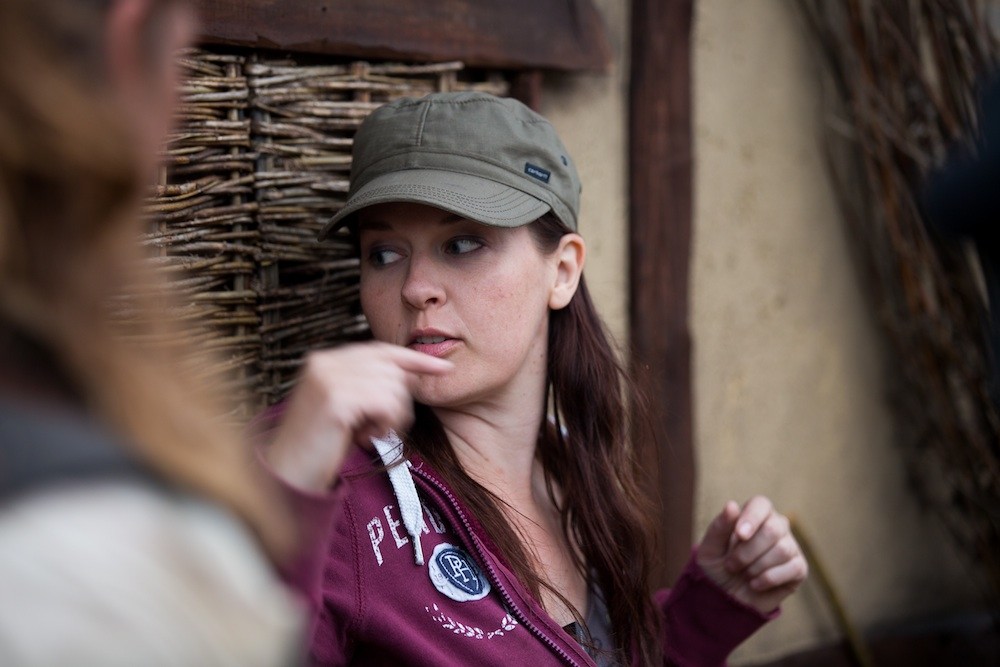
Kate demonstrates the action. Photo: Laura Radford
In the autumn of 2014 I served as director of photography on Ren: The Girl with the Mark, an incredibly ambitious short-form fantasy series, and have since been assisting with postproduction in various ways. Now that season one of the show is complete and ready to show to the public at last, I took the opportunity to sit down with director Kate Madison and ask her about some of the unique aspects of the show’s production…
Kate, many people will know you as the director, producer, co-writer, actor and general driving force behind Born of Hope, a Lord of the Rings fan film with over 35 million YouTube views. Did that film’s success open any doors for you, and what was the journey from there that led you to want to make a web series?
Born of Hope potentially opened doors even if they weren’t visible doors, in the sense that although it didn’t result in Hollywood coming calling, it created a a bit of a buzz and it became known in the industry. Myself and Christopher Dane [the lead actor] did start work on a fantasy feature film script called The Last Beacon and spent time trying to pursue that avenue. That then led into another feature film idea, so we were looking down the route of a feature film rather than anything else, and spent what felt like a number of years just not going anywhere.
I started thinking, what can we actually do when we don’t know investors or people with money. We concluded that with the internet – there’s an audience there, our audience is there. The crowdfunding thing which worked for Born of Hope is online, so we need to go back to that.
Many people will ask, “Why fantasy when there are so many cheaper and easier genres?” How do you respond to that?
For me, film and TV is about escapism, so I enjoy action-adventures and comedies and historical stuff – things that are not Eastenders. Fantasy is a huge genre. To me it’s a way to have the freedom to do whatever you want. I can take things I like – historical things, costumes, set design – and the joy of fantasy over period is, you can go, “I’m going to use this Viking purse with this medieval-looking helmet!” I like the freedom of fantasy. You can still have a character-driven, interesting story, set in somewhere fantastical, or even just a forest. There’s no dragons or creatures in Ren – so far – but the options are there, that’s the joy of it.
Having a laugh on set with Nick Cornwall (Dagron). Photo: Laura Radford
There was an enormous amount of goodwill and legions of volunteers who helped with Born of Hope. How important were those people, and finding others like them, when it came to making Ren?
Hugely important! Born of Hope could not have been made without a ton of volunteers, having no budget at all. With Ren, because we were in a similar position – which was a shame really, after all that time we still hadn’t got a big enough budget – we again had to rely on volunteers to make it possible!
There was an incredible sense of community, of shared ownership and very high morale throughout the production of Ren. Was it important to you to foster those things?
It’s incredibly important to keep morale high. I think it’s slightly easier when people are volunteering because they’re there because they want to be there and not just for the pay cheque. I was very keen to let everyone have fun on the project and also to have fun myself, because these projects are incredibly hard. So if the work was all done for the day, OK, I’m allowed to switch off now and grab a Nerf gun! People were staying there [at the studio], so they wanted to have a good time in the evening.
If we work a little later because there’s a break in the middle where we’re having a laugh, that means you can go later because everyone’s chilled rather than slogging away and not feeling like they’re enjoying themselves.
When people are volunteering, it feels like [the project] is everybody’s, and it is. People would come in and help and maybe end up designing a dress. The joy of filmmaking for me is the collaborative nature of it. There’s always someone behind you with an idea. You don’t feel like you’re ever on your own completely. If you’re at a loss, then someone else – whether it’s the DoP or the runner – [can suggest things].
A panoramic view of Ren’s village set. Photo: Michael Hudson
Very few micro-budget productions have their own studio, but Ren took over a disused factory for several months. How did that come about, and what were the benefits of it?
The benefits were through the roof, I’d say! We wonder if the project would have happened without it.
As we were going through budgets and scouting locations, we realised how difficult it was going to be [to shoot on location] – the logistics of making the village look like the village in the script and what if it rained for that week [the location was booked for]? It was just terrifying.
We started to think, is there another option here? It was just luck that Michelle [Golder, co-producer], on a dog walk, got talking to someone who knew someone. He mentioned this place in Caxton which was really big but we wouldn’t be in anyone’s way and we could just take it over. We were going to get a really good deal because it was sitting empty. It was twice as much for six months in Caxton in comparison with six days on location. And we would have the freedom to build whatever we wanted! There was all this interior space we could build in but also have costume rooms and production offices.
I’ve always loved the idea of having a place to work where everyone can come together. It’s fantastic nowadays that you can communicate with people all over the world, but you can’t beat a face-to-face conversation with someone and being able to look at the same picture and point at it and talk about it. It meant we were able to achieve a lot more in scope but also in quality.
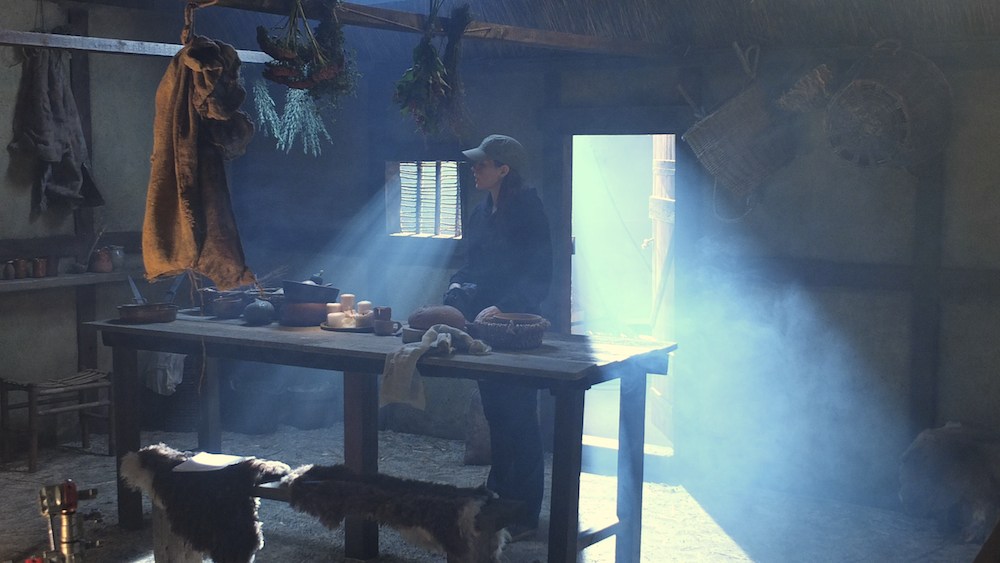
Kate contemplates one of the interior sets. Photo: Ashram Maharaj
Perhaps the greatest achievement of the production was creating a medieval village from scratch. Building the set, sourcing enough extras and costuming everybody were three massive challenges. How did you tackle those?
I live in Cloud Cuckoo land sometimes I guess! The set build, I thought, “It’s fine, we can do this, we can build this circular wall essentially with a few alleyways going off it and fill it with some market stalls.” Chris was in charge of building the set, and did an amazing job with a bunch of volunteers that came back over and over again. Although we bought a bunch of materials we made use of an amazing site called Set Exchange which is a sort of Freecycle for sets and we found a bunch of flats on there – that helped a lot.
Populating the village was always going to be challenging. Suzanne [Emerson] who also played the role of Ida got heavily involved in helping to find extras. She’s involved in a lot of the amateur dramatics in Cambridge. It was probably horrible [for Suzanne and Michelle] but an amazing miracle for us that we’d finish shooting one day and go, “You know we’re actually going to shoot that tomorrow and we need some people,” and then the next morning you’d turn up and people would show up to do it. We had varying numbers, but there was never a day when no-one showed up.
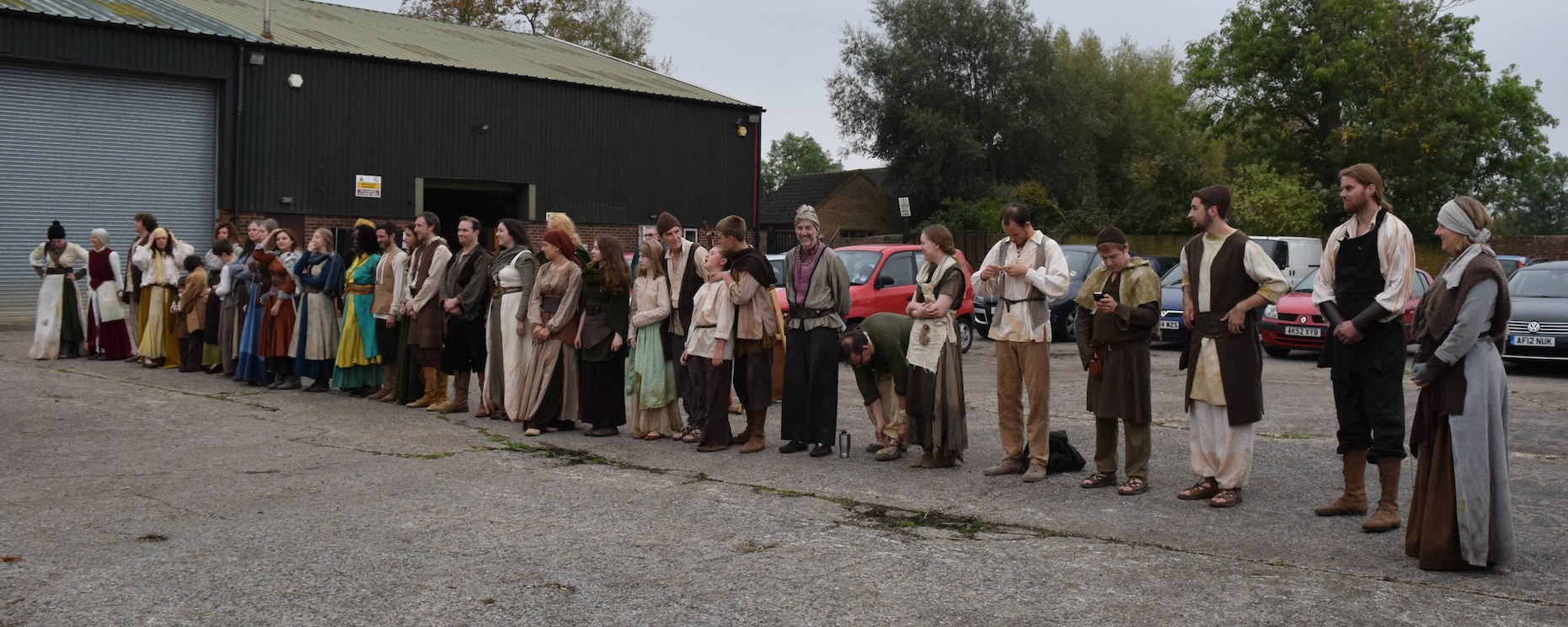
Supporting artists line up for a costume inspection in the car park of the Caxton studio. Photo: Michael Hudson
As for dressing them – we grabbed all of the Born of Hope costumes, Miriam [Spring Davies, costume designer] had a bunch of stock stuff as well. We ended up buying a bunch of things from New Zealand, from a costume house called Shed 11 that did Legend of the Seeker. The Kah’Nath armour came from Norton Armouries; John Peck – who had been involved with Born of Hope supplying stuff for orcs – I called on his good will again.
It was lovely to make the hero costumes from scratch. Miriam and I would go through the costume designs and then we went and looked at material. Chris and I randomly on a holiday to Denmark found some material we really liked for Karn’s tunic. Ren’s dress – I bought that material ages ago and it had been sitting around. Miriam and I took a trip to the re-enactors’ market as well. And we went to Lyon’s Leathers, spent what felt like a whole day wandering his amazing storeroom and picking out stuff for different characters, for Hunter’s waistcoat and Ren’s overdress, and we got the belts made there.
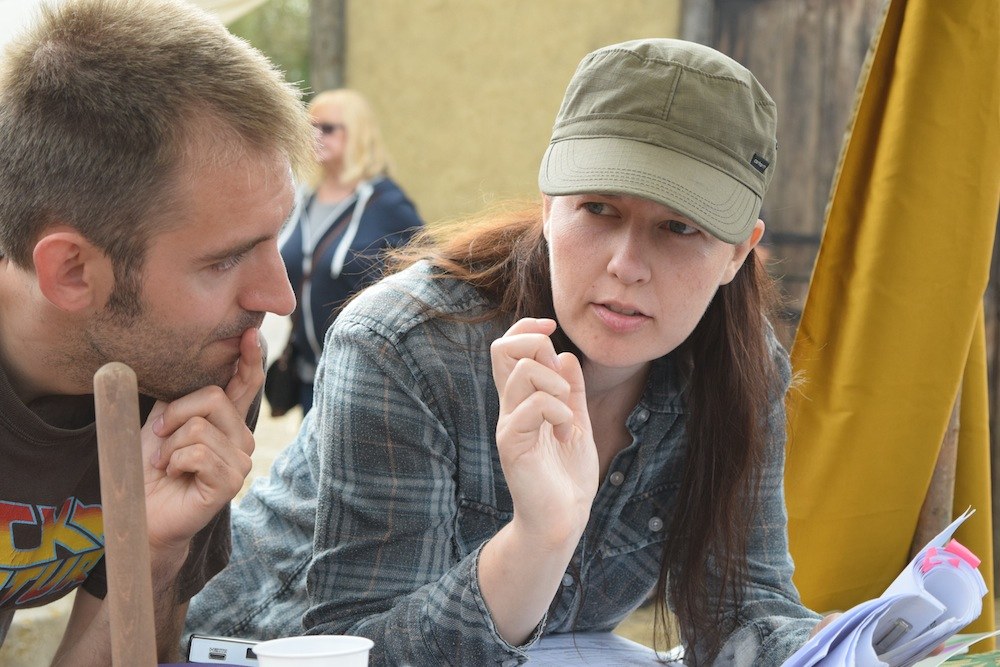
Discussing shots with me on set. Photo: Michael Hudson
I’ve heard you say more than once, “If it’s not right, it’s not worth doing.” How important is quality to you, and how do you balance that with the budgetary and scheduling pressures of such a huge project?
I’m not very good at compromising. If we’re going to spend months and months working on something that none of us are going to be happy with or proud of then it’s a waste of time and we might as well stop now. I think it’s probably that I’d like to be off in New Zealand making Legend of the Seeker, so I treat it as if I’m doing that I suppose, and I try not to let the budget or circumstances stop us from doing that.
I knew that most of the things are achievable. You know, to put together a costume that’s weathered well and looks really interesting is not hard to do, it just takes more time to do than buying it off the shelf and sticking it on, but the quality difference is so extreme. People will be much happier with you in the end if you’ve worked them hard for an amazing outcome than if you’ve worked them hard and it looks rubbish.
Sophie Skelton as the eponymous Ren. Photo: Alex Beckett
Most filmmakers are making stand-alone shorts or features, though the medium of web series is growing. Do you think it’s the way forward? Do you think there can be a sustainable career in it?
Ren is going to be an interesting experiment – can people watch something that, if we stuck [all the 10-minute episodes] together would be a pilot for TV – will they watch that on the web in the same way they would watch a TV thing or will they get bored and go and watch cats?
It is a new field. Although web series have been going on a long time, it’s still growing, there’s no funding in the UK, there’s no obvious way of having revenue from it, because the online platforms like YouTube, the advertising revenue is absolutely minimal as a percentage of views, and there’s only so many t-shirts you can sell. We struggled to raise money for the first season and we only raised enough to barely scrape our way through while putting in our own money.
Unless it does amazingly and maybe garners the interest of a big brand or sponsorship, if we’re having to crowdfund every time and we can’t crowdfund the huge figures that we’d need to make this, then it might not be the way forward for Ren and we might need to figure out a different thing… [unless] we get picked up by a bigger corporation like Amazon or Netflix.
We’ll see how this first season goes. We’d love it to become sustainable and a show that we can keep putting out and people can enjoy, but this is the experiment for that I suppose.
You can watch Ren: The Girl with the Mark for free, Tuesdays at 8pm GMT from March 1st, at rentheseries.com or on the Mythica Entertainment channel on YouTube.
When I went freelance at the end of the last century, it felt like anything was possible. If you had the talent, you could go out there and make a great short that could win awards at festivals and get you a good agent, or you could go out and make a feature which made the industry sit up and take notice and hire you on a fully-budgeted production. Call me old and cynical, but that now feels like a ridiculous pipe-dream.
15 years ago, the Mini-DV revolution was just kicking off. Since then we’ve had the DSLR revolution, not to mention the collapse of expensive celluloid as the only accepted acquisition and distribution format for “proper” movies. The technology has removed every barrier to entry, and now the world is swamped with filmmakers.
This is great, but it has had two highly destructive side effects.
Firstly, as a filmmaker, it’s virtually impossible to stand out any more amongst the thousands of micro-budget movies that get made every year, short-form and long. Would I get coverage in The Guardian today for making a fantasy feature on £20,000? I think not.
Shooting on a DSLR in 2013
And although there is now a huge number of film festivals around the world, there are so many people entering them, that the odds of getting in are tiny, and the odds of winning awards even smaller. So once you’ve made a film, what do you do with it? Putting it online is the only option left. Except there are so many films, and other forms of video content, on the internet that you have to be incredibly lucky to get any reasonable number of people to watch yours.
Secondly, as jobbing crew, though there are plenty of productions to work on, most of them are unpaid. Because there’s no more money to go around than there was 15 years ago – it’s just more thinly spread. When I started out, unpaid work was something you did for a couple of years until you could get enough paid work to live on. Now it’s entirely possible to do unpaid gigs for decades without it ever leading to enough paid work to quit your day job.
In a nutshell, the industry has become a farce.
Which brings me back to my question, “Why make films?”
The only answer left, and perhaps the only one that ever truly mattered, is, “Because I love it.”
Do not become a filmmaker because you think you can break into Hollywood. Don’t do it because you want to get rich. Don’t expect to see your work on cinema release, to win Oscars, or to work with the stars. Don’t even expect to reach wide audiences or make a good living.
Just do it because it’s the only thing you want to do with your life, and be happy with that. I know I am.
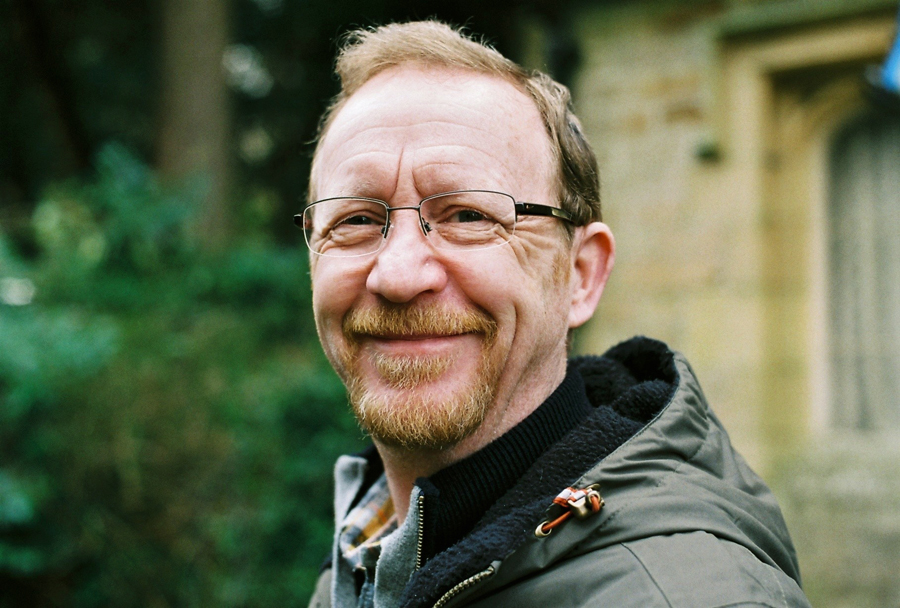
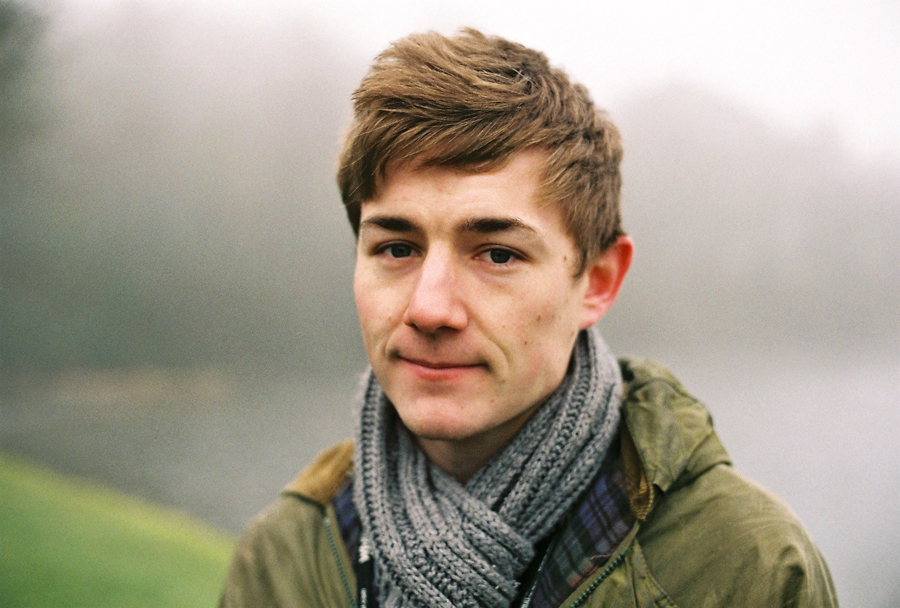
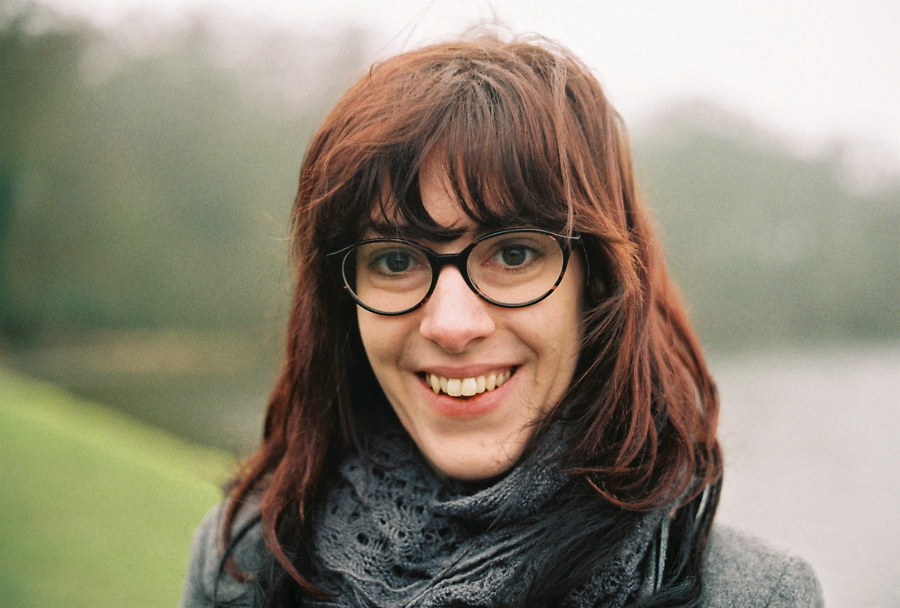
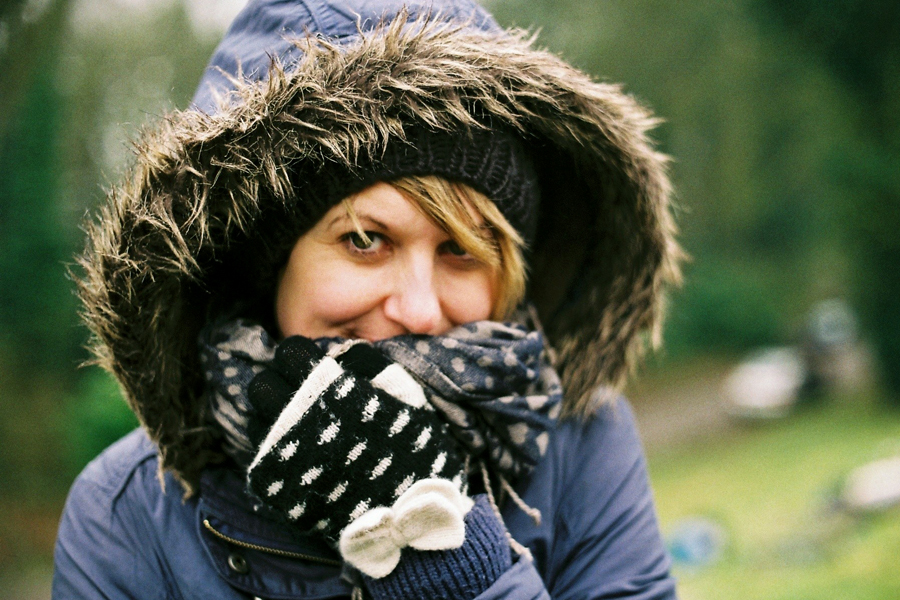
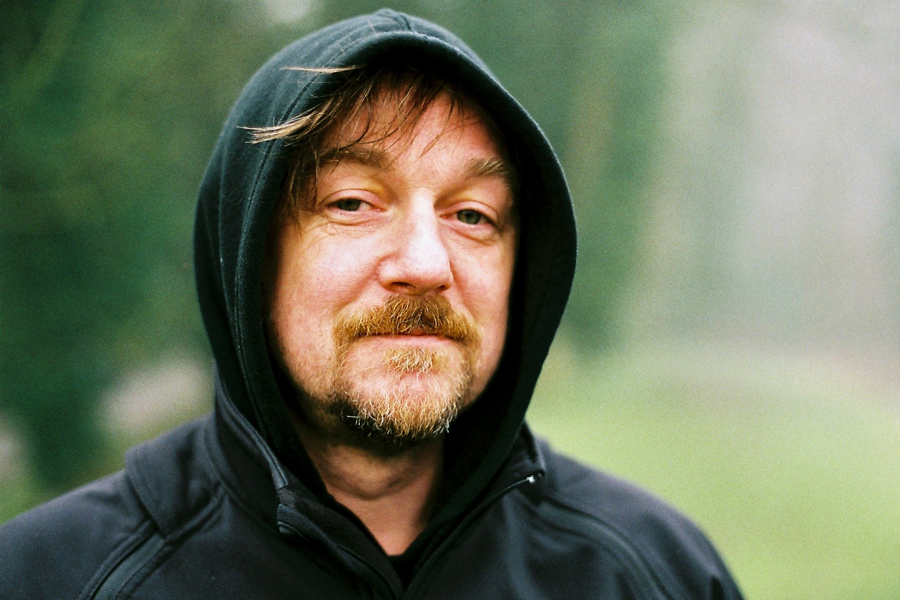
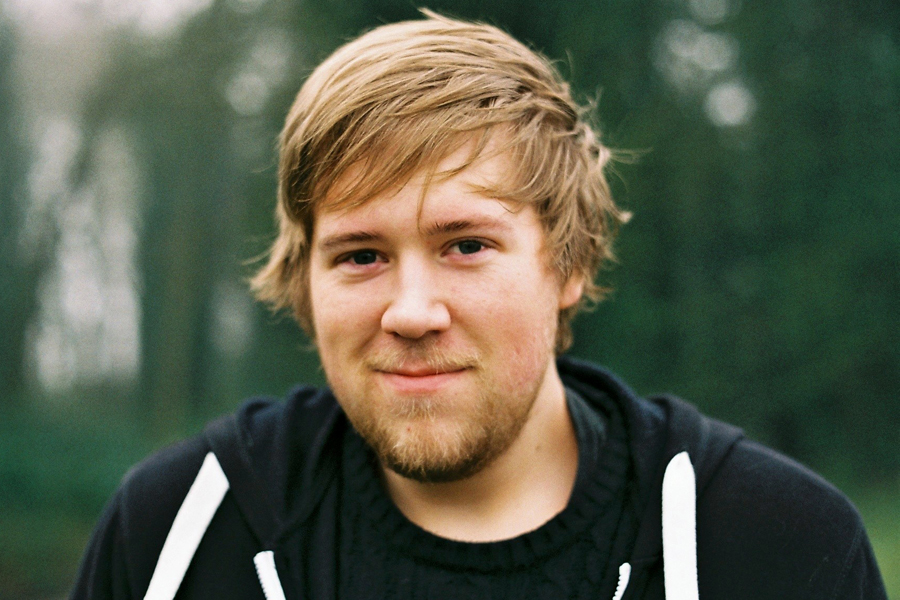
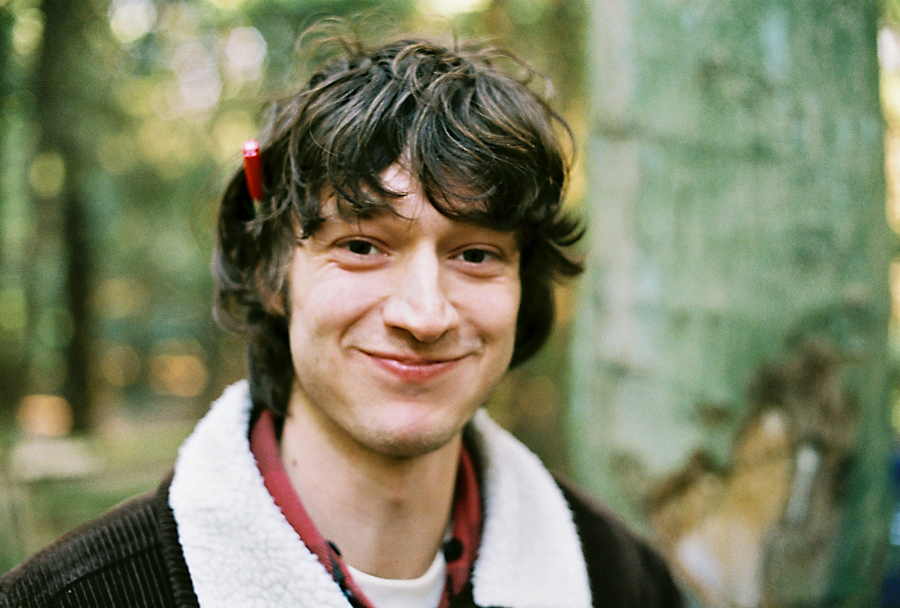
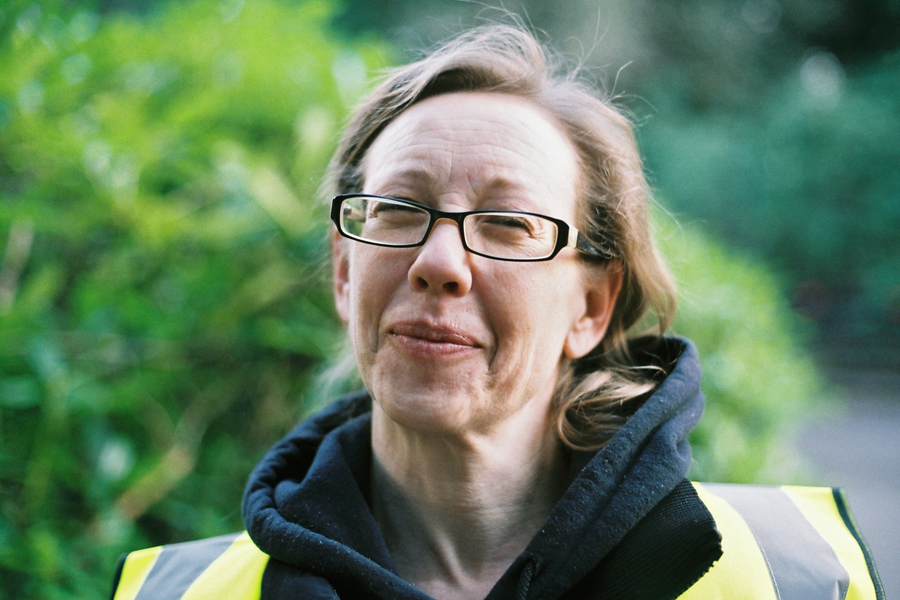
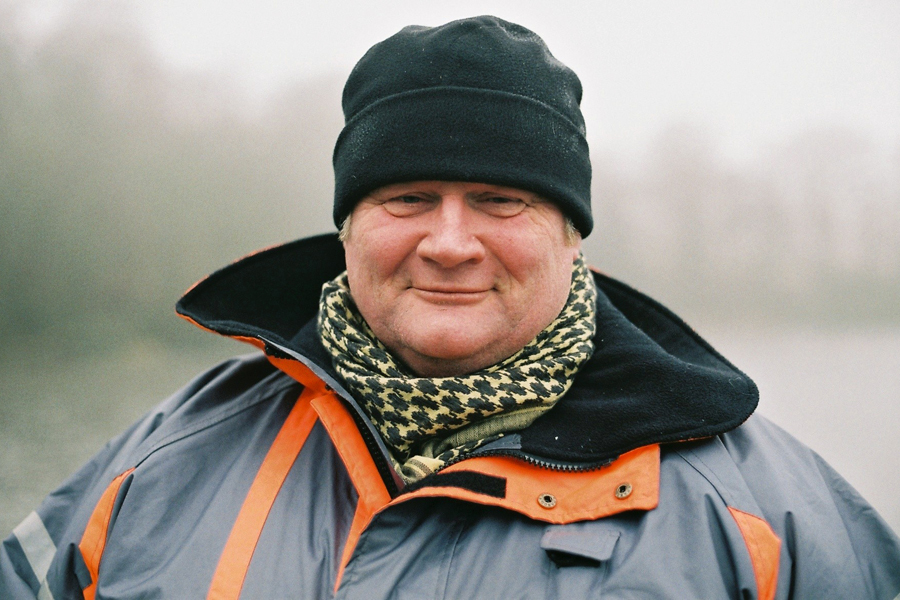
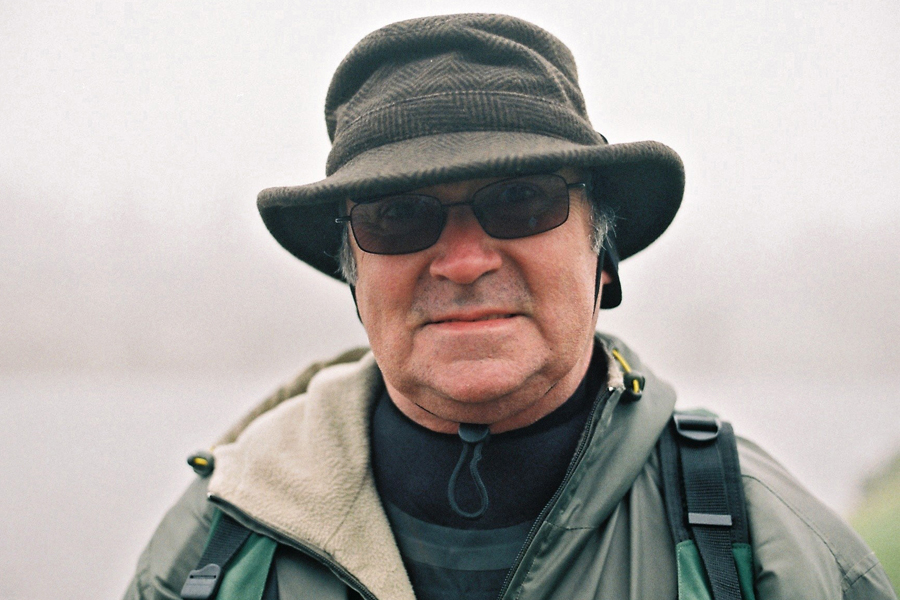
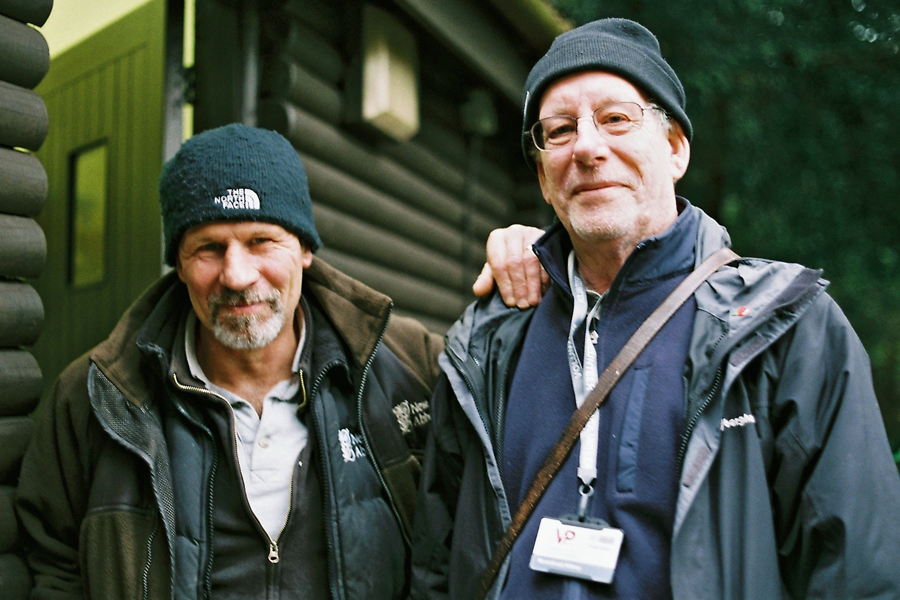
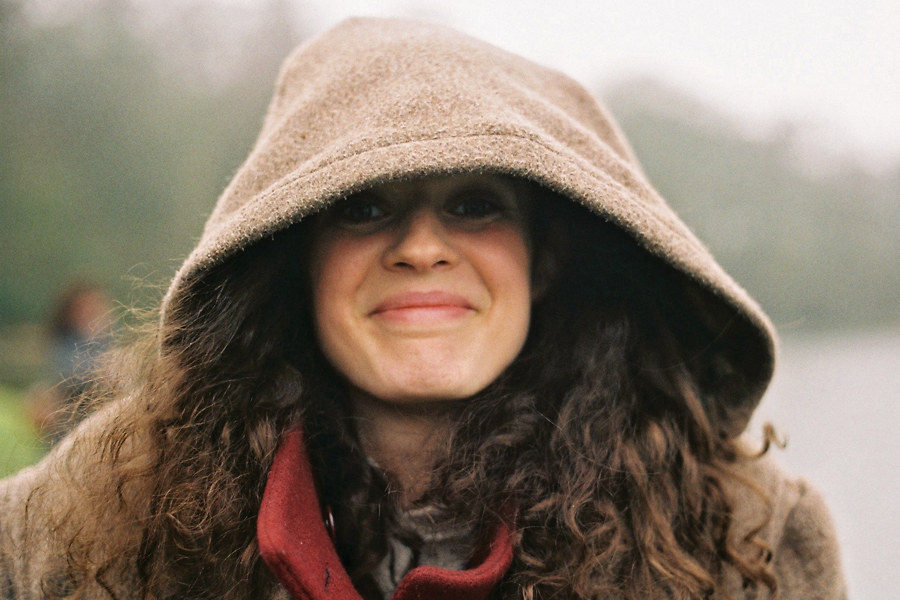
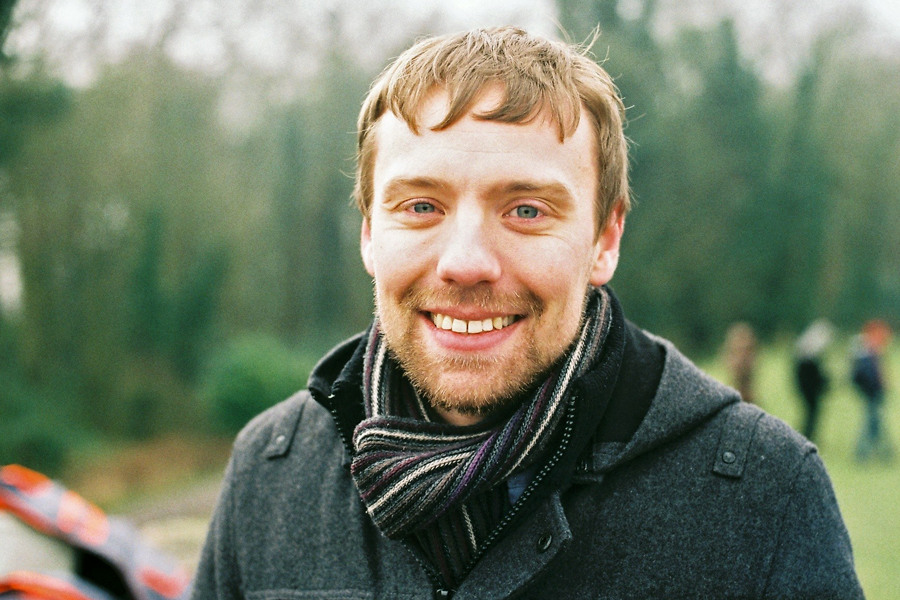
As well as being an excellent gaffer and camera assistant, not to mention the most loyal crew member I’ve ever come across, with over a decade of suffering on Neil Oseman shoots under his belt now, Colin Smith is a talented portrait photographer. He keeps it quiet, but the evidence can be seen below in the form of these stunningly natural cast and crew portraits from the set of Amelia’s Letter (working title: A Cautionary Tale). Just by looking at the faces in these pictures you can see that they have been taken by one of the most friendly and popular people on set.
But don’t ask him to see the picture after he’s taken it. You’ll get a laugh with the response, “Certainly, in about two weeks,” because these are “film faces” in more ways than one; Colin is keeping the flame of celluloid alive by shooting on good old 35mm. These images are proof, if any is needed, that film can capture the human face with an authenticity and a beauty that no digital format will ever match. Nice one Col, and here’s to many more shoots together.
We’re less than one week out from shooting A Cautionary Tale, with many aspects of the production coming together nicely, but others proving more challenging.
Regular readers may recall that after Stop/Eject, a project where the last few weeks of preproduction were marred by both lead actors and many crew pulling out, I vowed never again to make a film where people weren’t paid. (Puppet films excepted.) When I took on A Cautionary Tale, I figured this rule didn’t apply. After all, it wasn’t “my” film; I didn’t originate it, and I wasn’t producing it, so it wasn’t my call whether people were paid or not.
I was disappointed, but not surprised, when our lead actor pulled out about ten days ago, after being offered a lucrative alternative. Just like on Stop/Eject, it has proven very hard to find a suitable replacement, someone willing to travel way outside of London, for no money, for “just another” short film. And the search continues.
Another hiccup has been the cinematography. By mutual agreement, the DP who I originally selected left the project about a week ago. The lesson learned here is that, just like an actor, a DP must be right for the project. If you are working with limited resources, you need someone who relishes the challenge, rather than feeling restricted by it. Alex Nevill has stepped up to the plate, and I’m sure he’ll do a terrific job.
The knock-on effect has been that only today have we been able to start confirming equipment hires. For a while it looked like we might have to shoot on a DSLR, but Alex has been able to get us a great deal on a Red One MX.
Tomorrow our loyal band of runners and production assistants begins cleaning out the cottage at Newstead Abbey. On Tuesday, the art department led by Amy Nicholson will descend on the location and begin the huge task of painting and dressing it to become a writer’s study from 1903. Then, over the course of our three-day shoot, Amy’s team will have to redress it three times to bring it through the twentieth century to the present day.
Despite all the drama, I’m looking forward to the shoot. Many of the crew have worked with me before, including gaffer Colin Smith, costumer Sophie Black, sound mixer David Bekkevold, and of course Amy, and I know they’ll do me proud. And I’m sure there will be new great working relationships forged in the white heat (or more literally, freezing cold) of A Cautionary Tale’s shoot too. Stay tuned.
Several years ago The Guardian wrote a lovely big article about me under the headline “The Spielberg of Hereford”. I had just completed Soul Searcher, a feature-length fantasy-action movie shot in this sleepy backwater of the rural West Midlands. The project had not been without its challenges – from a malfunctioning camera to a striking stunt team – but shooting in the provinces wasn’t one of them.
Yes, on the face of it, basing yourself away from the vast majority of actors, crew and facilities is inconvenient. I have long since accepted that my casting calls mentioning a shoot far outside the M25 will get a limited response, and that I will have to travel to London to hold auditions.
Crewing can seem similarly problematic, but in fact there are many excellent TV and film technicians hidden away in rural areas, constantly driving to London to work, but keen to be involved in anything more local if they get half a chance. It’s a novelty, and that’s an advantage.
Some of the cast of The Beacon atop the titular Worcestershire hill during filming in 2001
Londoners can often be cynical about filming; it’s a business like any other. Most locations in the capital will whip out a rate card at the first whiff of a scouting crew. But out in the sticks, many property owners will let you shoot on their premises free of charge for the rare glamour of a brush with the film business. On Soul SearcherI only had to pay for a single location. At least two others told me they would charge me, but never did. Their accounts departments presumably had no procedure or precedent for raising an invoice for location fees, and so overlooked it.
The savings a regional producer makes on locations are often countered by an increased travel and accommodation budget. But there are benefits to this accommodation that, to my mind, outweigh the financial burden. A cast and crew staying away from home together will bond far more than one that scatters to the four corners of the tube map every night. This means improved morale and more realistic on-screen relationships between actors.
Stop/Eject on BBC East Midlands Today
Regional filmmaking has more potential now than it’s ever had. Established networks like Talent Circle may remain London-centric, but social media enables us to connect quickly with others in our area – Shooting People’s regional “Shooters in the Pub” Facebook pages, for example, or Herefordshire Media Network, through which I found the editor for my last short film, Stop/Eject. And in an age when everyone’s looking for a hook for their crowdfunding campaign, the declaration “shooting in YOUR home town” can help you connect to potential sponsors.
Finally, regional press will often jump on local film projects, providing great free advertising for your crowdfunding campaign, cast/crew call or screening. I’ve appeared on BBC Midlands Today on three separate occasions, but I can’t imagine BBC London News covering yet another struggling filmmaker. And would “The Spielberg of Hackney” have been so newsworthy to The Guardian? I suspect not.
Some of the crew, plus our makeshift dolly and our transport
Exactly a decade ago today, I flew out to New York to serve as director of photography on Tom Muschamp’s microbudget thriller Beyond Recognition. It’s the story of Geoffrey Mills, the world’s best plastic surgeon, who gets ensnared in dangerous machinations when he refuses the mafia’s request to alter their don’s face.
To this day it remains my favourite of all the shoots I’ve been on. I was 22, I’d made The Beacon (an experience which largely led to me getting the job, I think) but I’d never DPed a feature for another director, and I’d never been to the States before.
Director Tom Muschamp in The Star Building
Tom, a Brit, had met an American producer who offered to source all the locations in upstate New York and host the cast and crew at her mother’s house, which was massive in a way that only American houses can be. There is something quite post-modern about the fact that, although I was there to make a film, I was seeing and experiencing things which had hitherto been confined to films for me, like screen doors, root beer and morbid obesity.
My bed for three weeks
The gaffer, the first assistant director and the runner (Tom’s cousin Ed Reed, who later production-managed Soul Searcher) travelled from the UK with Tom and I, but the cast and the rest of the crew were American. For the most part the atmosphere was fantastic. We were all young and enthusiastic and bonding over the trials of shooting an ambitious script with minimal resources in roasting temperatures – in fact “Hot in Here” by Nelly became the anthem of the shoot. Michelle Branch’s “Everywhere” and Avril Lavigne’s “Complicated” also have strong associations with Beyond Recognition for me, as one or other of those songs seemed to be playing on the radio every time we piled into our hired minibus to go to the next location.
Part of The Star Building becomes a plastic surgeon’s reception
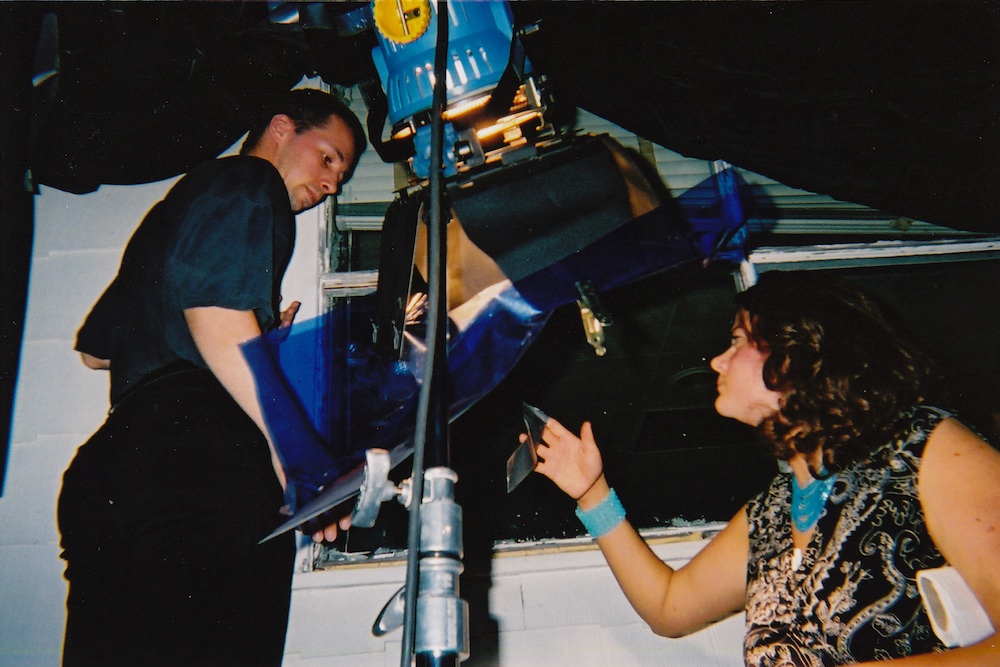
I’d sent a wish-list of lighting equipment to the production team ahead of time, including several large HMIs and a whole bunch of other kit. When I arrived in New York they said, “Er… well, we’ve got the gels you asked for…” A quick trip to Home Depot was called for. I think that was my first experience of lighting with halogen work-lights, otherwise known as DIY lights. Later Tom splashed out on a set of four Arrilites, which he kindly let me keep at the end of production, and most of which I still have and use to this day.
Many scenes were shot in what became known as The Star Building – a small, disused factory in the grounds of the house we were staying in. It was full of junk, which we were constantly shifting around to enable us to film in different corners. The toilets didn’t work properly, and I distinctly remember an incident in which the first AD disappeared for a bowel movement, and shortly afterwards some suspiciously brown water started dripping from the ceiling.
Blacking out a window
There was a lot of night shooting, which was great experience for me and helped me develop the Cameron-esque blue look that would define Soul Searcher. When it came to interiors, my memory is that daytime scenes were typically shot at night and vice versa, though God knows why. We were forever blacking out windows or setting up artificial suns.
The lead actor
One key thing I learnt from Beyond Recognition is the importance of having your cast and crew sign contracts before you start shooting. The lead actor was very unreliable, but made all kinds of demands once the film was in the can and Tom needed his signature on the dotted line. The lead actress was a bit ditzy as I recall, repeatedly plugging in her hair-drier at a hotel location and blowing the fuse every time because of all the lights we were running. And then there was the actor who, when we needed a bug detector as a prop, said “I’ll bring mine,” and was sent to prison a few years later when he was caught defrauding hundreds of thousands of dollars from a hide-out in the basement of the World Trade Centre. And you think I’m kidding.
Crew-wise, we seemed to splinter into two factions towards the end of the three week shoot – those who were happy to do whatever it took to get the movie made, and those who just wanted to moan and slack off (I will never understand why these people sign up to unpaid shoots in the first place). The hours were very long and there wasn’t a single day off in those three weeks, but I’m afraid that’s what micro-budget filmmaking is like. I loved it.
Like many Brits returning from the US (especially New York) for the first time, I was quite depressed afterwards and for a few months could think of little other than wanting to return to New York and how much cooler everything is over there.
But principal photography on Beyond Recognition was not over when the New York stuff wrapped. Part of the film is set in Italy, and Tom had lined up locations in the picturesque Fai della Paganella in the Dolomites. So on September 29th I was back on a plane, this time to Verona. The crew line-up had changed a bit; strangely the members of the second faction mentioned above were not invited back, and a couple more Brits joined us including Simon Ball and Max Van de Banks, both of whom I’d worked with before and who would go on to work on Soul Searcher. Ed Reed, meanwhile, had been promoted to first AD.
The Italian leg of the shoot ran smoother than the US leg, as far as I remember, although we were not popular in the town by the end of the shoot. This was mainly due to the unruly actors, who tended to help themselves to alcohol from the hotel bar (leaving money for it, I should add) and generally act like they owned the place.
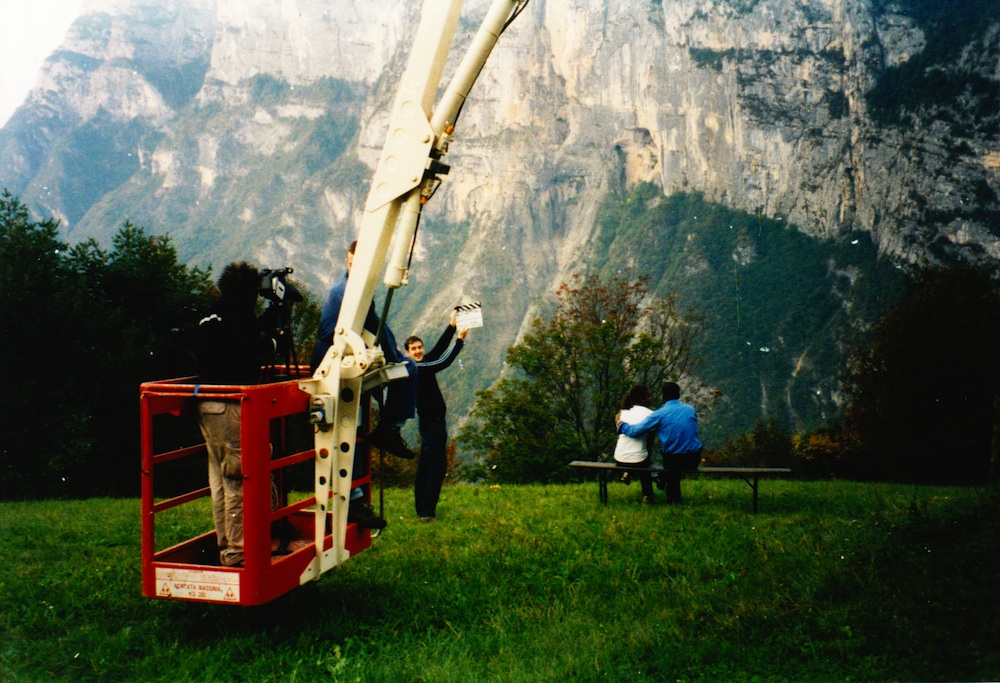
I finally got my HMIs in Fai. Tom hired two 4Ks from Arri in Milan, which I used to light the town square. I also got to film a craning shot up in the mountains from a cherry-picker.
All in all, the project was an amazing experience for me, and left me with a burning desire to work far more regularly as a DP on indie films, an ambition I sadly still haven’t succeeded in. But besides helping shape Soul Searcher, both in terms of its look and Tom’s distribution experiences which I drew on when selling my film, it did lead to other work and in 2007 to my DPing Tom’s second feature, See Saw, on which I met my wife Katie.
Beyond Recognition was released on DVD in the US and other territories, but is only available in the UK as an import. I’ll leave you with the trailer.
P.S. You can read my original blog entries from the 2002 Beyond Recognition shoot here, here, here and here.
A rare moment to consult the script. Photo: Sophie Black
Col constantly ribs me about the lack of a first assistant director on Stop/Eject, and the consequent lack of adherence to the schedule. But as I edit the film, I’m appreciating more and more the other duties of a first AD and the consequences of those duties going undischarged.
Because part of the first’s job is to literally assist the director – to help them keep track of things which can easily get forgotten amidst the chaos of filming. Things like crossing the line, getting enough coverage and not missing out bits of the script. (Two other crew members that a big budget production will have who will also be looking out for those things are the script supervisor and the editor – because the editor will be cutting the material the day after you shoot it, and may be able to tell you before you leave a location that you need an extra shot.)
So here are some examples of the moronic cock-ups I made, which might well have been avoided if I’d had a first and/or a script supervisor looking out for me:
Tommy Draper wrote a great stage direction in one scene: “She opens the fridge. It’s as empty as her life.” Unfortunately I chose to shoot it in a way that made it impossible to tell the fridge was empty, because I didn’t pay close enough attention to the script during filming.
In another scene, I wrote that the cellophane is torn off an object before it is used. I included that detail in the script because, as a writer, I knew that otherwise the audience would not necessarily understand the important point that the object was brand new and unused. Somehow this got dropped from the scene during rehearsals, and it wasn’t until I saw the film edited together that I realised how crucial the cellophane was.
In scene seven, the most complex of the film, we decided during rehearsals to alter the timing of an incident. One side effect of this – which again I didn’t notice until I saw the edit – was that the shots I had storyboarded (and thus the shots that I filmed) no longer established satisfactorily the whereabouts of one of the characters at a critical moment.
In scene 24 I crossed the line. You can see this at the very end of the trailer.
The Dark Side of the Earth’s first AD Andrew McEwan (right) on set. Photo: Richard Unger
The omission of things in the script are particularly annoying (a) because I co-wrote the bloody thing and should have noticed, and (b) because any good writer takes care to be economical with words and only put in things which are important.
Some of these things can be fixed with pick-ups. For example, I filmed a close-up of my wife’s hands unwrapping the cellophane in our flat recently. But others have no solution beyond a major reshoot, which would be very hard to justify. So what you end up with is a subtle erosion of the quality of the film, and this is one of the reasons that a more expensive film looks more expensive. A bigger crew does mean more attention to detail and thus higher production values in every respect.
I share these thoughts with you not because I’m any less proud of Stop/Eject or feel like I need to make excuses for it, but simply to pass on a lesson the project has taught me. It’s very easy to think of a first assistant director as merely a time-keeper, but if you work without one you should appreciate that there are other strings to their bow, and your project may suffer more lasting effects than just a tired cast and crew.
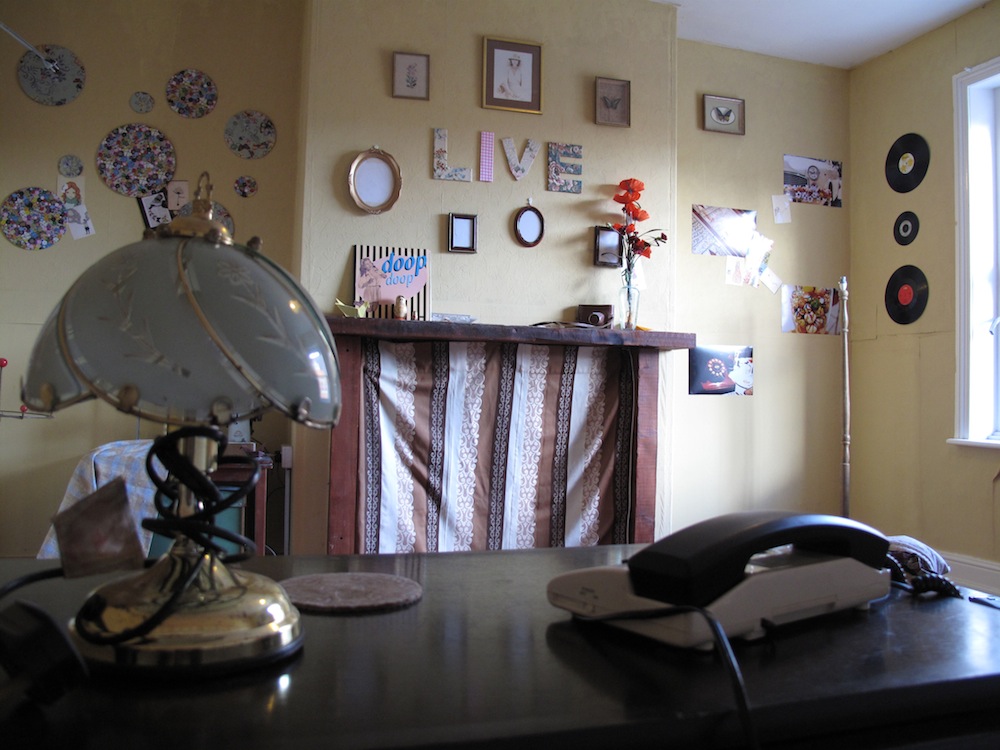
Sophie’s partly dressed living room. Well, not her living room. The living room she designed.
Hooray, I’m finally looking forward to the shoot! On Tuesday I cast a new Dan – Oliver Park – which was the last major hurdle to overcome before production. Our crew is all in place, all the minor roles are cast but one, all the locations and props are lined up, and the costumes and set are nearly finished.
So it’s looking good. It has been a real struggle getting to this point though. More than half the original cast and crew have had to be replaced – mostly due to them getting booked in the last couple of weeks for paying jobs that clash, though in a couple of cases due to hospitalisation! If you’re a veteran Neil Oseman blog reader you’ll have heard of The Curse of Soul Searcher. This is The Curse of Stop/Eject.
Painting the bedroom
In all seriousness, I don’t think I’ll ever make another film (except simple ones like The Picnic) unless there’s money to pay everyone. It just isn’t worth the stress and hassle caused by having to re-cast and re-crew when people pull out. It’s actually got easier to find people the closer we’ve got to the shoot, presumably because people can be more sure that they won’t be doing any paid work on the shooting dates, but aside from anything else it’s a nightmare for the costume department when they don’t know their lead actors’ sizes until a few days before the shoot.
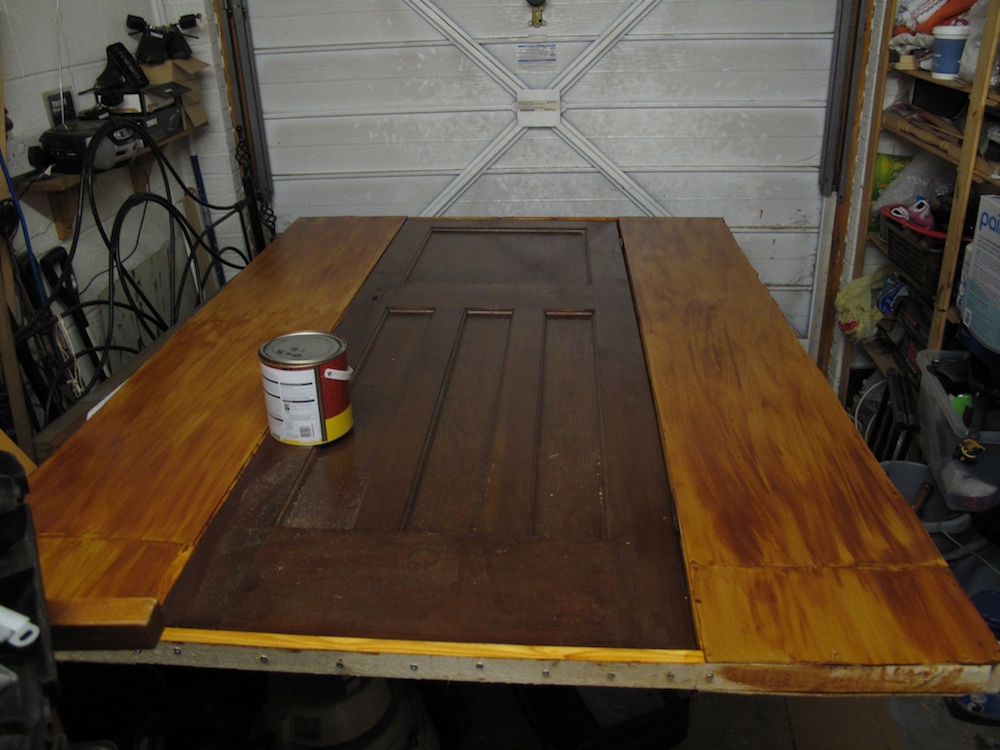
Staining the alcove
Sophie has been very busy this week, building the alcove set and painting and dressing some of the upstairs rooms at Magpie, not to mention doing calligraphy on 600 cassette inlays.
Katie has been running around the charity shops of Hereford, looking for the last few bits and pieces, and dying and altering things here at home.
I’ve been drawing up the schedule, going through storyboards with Rick (the camera op), chasing things up, getting paperwork in order and talking to the actors about their characters.
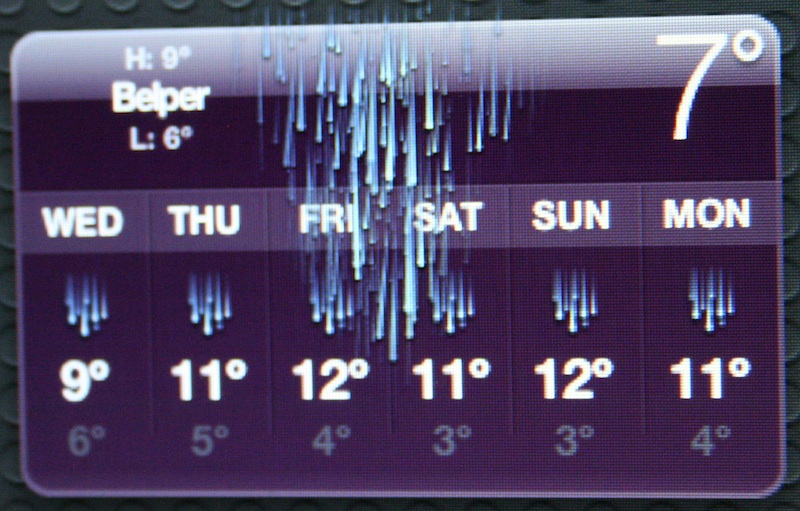
Weather forecast
I’m so glad we didn’t shoot Stop/Eject last October. We are a million times better prepared now. The only thing that doesn’t look like it’s going to co-operate is the weather.
This will probably be my last post until after the shoot. We’ll try to update the Facebook page at least once a day, internet connection permitting, and rest assured we’ll be building up a tasty backlog of behind-the-scenes podcasts and blogs.
I want to start shooting tomorrow. I can’t wait two days. That’s how good I’m feeling about it right now.
Shooting People‘s book “Get Your Short Film Funded, Made and Seen” recommends surrounding yourself with friends on your shoot. This may seem contrary to the advice fledgling filmmakers are always given not to cast their mates in their movies, but assuming your mates are professionals and talented at what they do, I wholeheartedly endorse Shooting People’s suggestion. As Michael Bay says, when he’s not busy bludgeoning cinema to death with a big CG robot, filmmaking is like war. Everything is against you – time, money, the weather – and you’re always fighting to get your shots and tell your story. So you need to know your cast and crew have your back.
This is why my filmmaker friend of twelve years, Rick Goldsmith, will be operating camera on Stop-Eject; why Colin Smith, veteran of Soul Searcher and The Dark Side of the Earth plus countless other films I’ve DPed, will be gaffering; why Ian Preece, a trusted fellow freelancer with whom I’ve shot numerous corporates, will record the sound for part of the shoot; why my lovely wife Katie is designing the costumes; and why I wrote the lead role for Kate Burdette from the Dark Side pilot. It’s also why I’m delighted to announce the casting of Ray Bullock Jnr. – Soul Searcher’s leading man – as Dan. Ray gave a great audition opposite Kate last night and I look forward to working with again after eight years.
Ray Bullock Jnr as Dan auditions opposite Kate Burdette
I know that all of these people will deliver the goods, no matter what the realities of the shoot throw at us. So although there are still locations to sort, schedules to arrange and bit-parts to cast, I feel a contentment now as Saturday’s start date approaches. Because when it comes down to it, with all these great people on board – plus great new collaborators like Sophie Black and Deborah Bennett – all I have to do is not fuck it up.
And by the way, you can read more about Katie’s work on the costumes over at her Katiedidonline blog.