1,000th Blog Post

1000

Little did I think, on March 4th 2001, when I typed the words “The Story So Far” on www.the-beacon.com, that I was starting a fourteen-year journal/rant/ramble that would continue to the crazy Doc-Brownian future of 2015 and encompass a thousand entries. Today I’m going to tell the story of my blogs as they leapt from project to project, highlighting some of the best posts along the way.

Lorna-Jane Hamer in The Beacon

For the first decade of my online odyssey, I saw blogging as a kind of “bonus content” to accompany my film projects. I remember planning the website for the original short version of Soul Searcher before I even had internet access. Both that project and its immediate successor, Cow Trek, had retrospective production diaries on their websites.

But when I embarked on my first professional(ish) feature, The Beacon, I launched a website for it at the very start of preproduction. A simple splash page, a brief About page and a “Journal”. The project was so huge, I think I felt that breaking it down into bite-sized blog posts as I went along would make it more manageable for me, and help me feel that I was making progress.

paper-scanMy early blogs were really production diaries, reporting what had happened since the last post. I was young and cocky, and I often tried to be humourous. Much of the humour was obscure and probably put off some readers, with hindsight, but at the time I didn’t feel like many people were reading it anyway. I was wrong.

In September 2001, the World Trade Centre attacks spookily echoed a scene I had shot a month earlier in which a plane full of terrorists crashed into a cinema. On September 26th I wrote: “A couple of people have asked me if I’m going to make any changes to The Beacon or delay its release in the wake of the events in America. The answer is no.” I regretted being so blunt when this quote made it into local papers under the headline: “Film-maker is defiant on hijack plane crash”.

The Beacon’s blog ran for sixteen months, the most entertaining posts being those that displayed my lack of concern for safety, or our efforts to avoid the Malvern Hills Conservators, who threatened to shut down the shoot. August 9th 2001’s entry, on the second day of shooting the car chase, had drama from both of these angles.

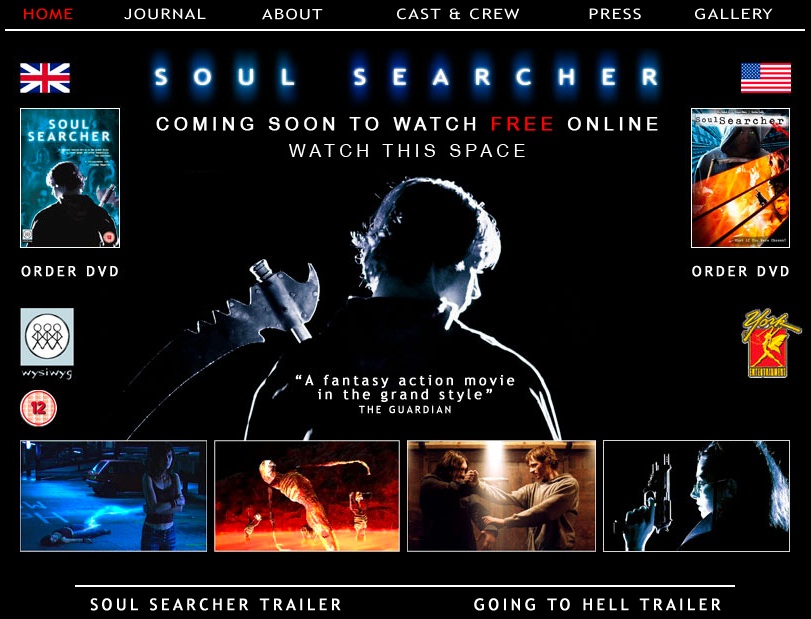
The Soul Searcher website

On March 27th 2002, a few months before The Beacon’s blog fizzled out, the website and production journal for my next feature were launched. Soul Searcher‘s journal followed the reporting style of The Beacon’s, with the same surreal humour, though this time with increasingly frequent Back to the Future quotes, for no good reason. Often I was deliberately playing to the audience of cast and crew who I knew were avid readers.

This journal ran for four years, ending on the day Soul Searcher was released on DVD in the UK. Along the way, every up and down of the production was documented. And believe me, there were many downs. I saw no reason to conceal the problems we faced; I realised that the struggles were entertaining. I still bump into people today who enjoyed and were inspired by my Soul Searcher blog back in the mid-noughties.

Some of the best Soul Searcher posts were:

My next blog covered my attempts to develop and finance another feature, The Dark Side of the Earth. “What the hell is the matter with me? I’m back for more punishment,” is how I began my first entry, on October 14th 2005.

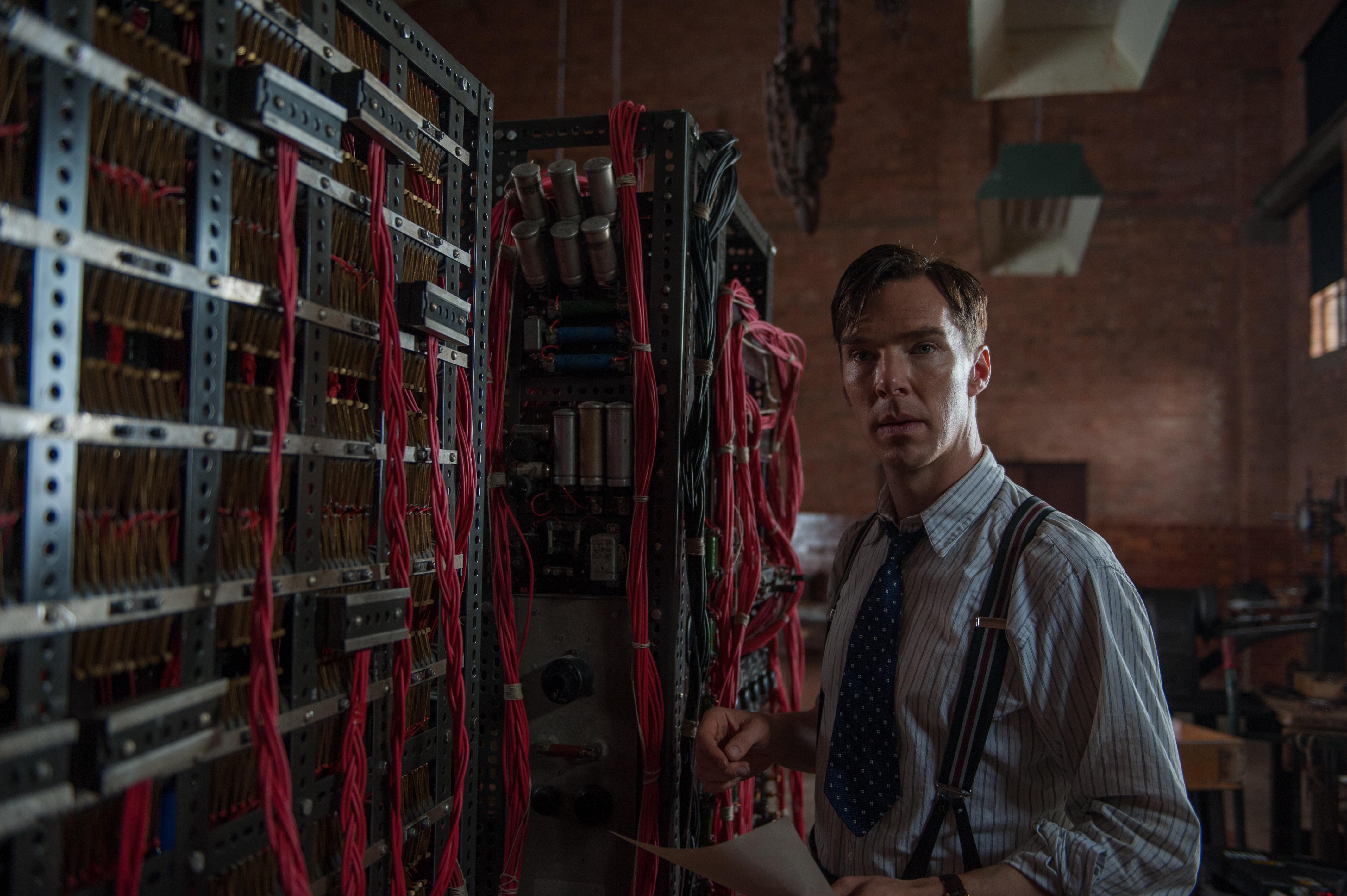
Benedict Cumberbatch as Max
Benedict Cumberbatch as Max in The Dark Side of the Earth’s pilot

(Shortly afterwards, concurrently, I began publishing the paper-and-ink journal I’d kept for the original, amateur version of The Dark Side of the Earth, each entry being posted exactly a decade after it had been written. Yes, I had a blogging impulse before I even knew what blogging or the internet were. Read this teenage journal and my contemporary annotations here.)

By this time my blogging style was maturing, and I was learning to hold back some of the bad news in case potential producers or investors were reading. This perhaps led to a wider appeal, evidenced by Film & Festivals Magazine publishing an abridged version of my Dark Side journal in September 2009.

Although I shot a 35mm pilot starring Benedict Cumberbatch – read my posts about the stressful shoot here and here – it slowly became clear that The Dark Side of the Earth was going nowhere, and by 2011 my posts were rarely about the project.

What’s more, times had changed. Back in 2001 a lot of people had never even heard the term “blog”. A decade later, blogging had exploded, and it had evolved into more of a magazine format. No longer could you get away with simply reporting your progress on a project. Now readers demanded tips, interviews, videos, image galleries, tutorials. I realised it was time to start a new site, one that would be about me sharing my filmmaking knowledge and experiences.

NeilOseman.com launched on August 5th 2011, and quickly became a much richer and diverse blog than any of my previous ones. Tying in with my gradual retreat from self-originated and self-directed projects, cinematography became the main focus of the site, though other aspects of filmmaking continue to be covered. Here are some of my favourite posts from the last four years:

Here’s to the next thousand posts! And for those of you looking to learn more about the art of waffling on a website, I’ll be posting my top blogging tips in the next few weeks.

1,000th Blog Post

Top Tips from Day One of the Big League Cine Summit 2015

blcs-blue-on-whiteThis week the third annual Big League Cine Summit is taking place: two days of online masterclasses with top commercial, TV and feature film cinematographers. If you missed this educational and inspirational free event, here are the best tips I culled from day one’s sessions:

Frankie DeMarco – “Composition and Camera Operating for the Big Screen”

  • The advantage for a DP of working with a separate camera op is that you have a second opinion.
  • Try to think like an editor. What specific shots do you need to tell the story? Can you do it in a “oner”?
  • Lots of angles/coverage can kill performances and make the audience overly aware of the camera.
  • If you need to shift position for comfort, do it during a part of the take that the editor is unlikely to use.
  • You can sometimes get away with crossing the line if your singles are dirty.
  • Use clean singles to show that characters are not connecting with each other.
  • Single point perspective, a.k.a. formal composition (framing the subject centrally) can be very powerful.
  • Lighting for silhouette can make a simple moment highly evocative.
  • The best composition reflects character relationships, perhaps using layers and depth.
  • Good composition should draw the eye to the right part of the screen and not distract the audience.
  • Good cinematography should tap into the emotion of the scene and the character whose eyes we’re seeing it through.
  • When watching the blocking, think about the emotions. Let the scene tell you how it should be shot.
  • Let the lens talk to you. Try watching the blocking through different lenses and see what feels right.
  • A great static frame that the actor can move around in trumps panning around with the actor.
  • Use a dolly-in for an emotional moment, but a zoom-in to show a character having a thought or idea.
  • Check out Stanley Kubrick and William Friedkin films to see excellent use of zooms.
  • Use a long lens to disconnect your subject from their surroundings.
  • Play the first take safe, and then you can try tagging hand-props or pulling focus to background characters on later takes.
  • “When in doubt, turn it out.” i.e. beware of over-lighting!
  • Don’t be afraid of changing f-stops from angle to angle to maintain a consistent softness of background when your background is different distances away from different subjects.
  • Don’t worry about continuity too much. “The set is made of rubber.”
  • Try unusual compositions. Be willing to fail.

Kevin Shahinian – “Story Telling Techniques: Adding Massive Production Value”

  • In high-end events shooting, try to get the organisers to pick rooms that will work for sun orientation.
  • Use a long lens to create a potentially unsettling sense of voyeurism.
  • To build tension and unsettle the audience, short-side your subject and show lots of empty background.
  • In an over-the-shoulder shot, add power to the foreground character by having them dominate the frame.
  • With non-actors, shoot candid footage; you may capture genuinely great moments. Use action verbs to direct them, rather than talking in terms of emotions.

Rasmus Heise – “Extraordinary Cinematography with Minimal Lighting”

  • Design lighting that works from all directions, to minimise set-up times.
  • Use more than one colour to add depth.
  • Dot practicals around where possible, to give you sources that will work for different angles.
  • Focus on one key light source in a scene. Everything else is just a bonus.
  • Fluorescent tubes and sodium vapour lamps can be great low budget, low wattage solutions.
  • Philips makes fluorescent tubes with high CRI.
  • Wet down your exterior sets to add contrast and nice reflections.
  • Silhouette shots are quick, cheap and look great.

Matthew Santo – “Commercial Lighting: How to Light Fashion vs. Action”

  • Photographing commercials is all about heightened reality, perfect sunsets, perfect skin, etc.
  • It requires a lot of passive lighting: bounce cards, negative fill, contrast control.
  • On beauty and fashion commercials:
    • Your background can set a darker mood even if the talent has to be lit flatly for beauty.
    • Know your talent’s face in advance – e.g. do they have soft or hard features? Deep-set eyes?
    • What side is the talent’s hair parted on? This could affect your decision on which side to key from.
    • Try to make sure the make-up room’s lighting matches the colour of your lighting on set, so the MUA doesn’t get any nasty surprises on set.
    • Use Briese lights for beauty. They have hard- and softlight qualities.
    • Chimeras may be better for talent with less defined features.
    • Reduce skin texture by pushing fill through large frames or bounce, e.g. 12×12 frames.
    • Hard backlight looks great but beware of fly-away hair.
    • Combine hard and soft sources for backlight that has punch but wraps and doesn’t create shadow issues.
    • There’s a range of Cosmetic lighting gels that add a little warmth and diffusion.
    • Use a low overall light level for talent comfort and less squinting!
  • On sport and action commercials:
    • It’s about movement and body definition. Backlight and sidelight are most important.
    • Edgelight defines the talent’s body shape. Toplight adds muscle definition.
    • Lens flares add dynamism but reduce contrast, so light high-key.
    • Use higher light levels for highspeed shooting and to maintain focus as people move.

Stefan V. Borbely – “Deconstructing High End Car Commercials”

  • Rather than lighting the car, light the environment and the car will reflect that environment.
  • For exteriors, wait for dramatic skies because the car will reflect these.
  • Silver cars are the easiest to light.
  • Use long fluorescent tubes or long reflectors to make seamless long highlights on the bodywork.
  • Use Cinema 4D to test your lighting set-ups for reflections.
  • For night exteriors, take stills on the recce and note your exposure settings.
  • Bagolights are great for creating streaks of light on cars.
  • Fisherlights are a good substitute for the sky.
  • If you can’t afford Fisherlights overhead, put lamps on the floor and shoot them up into big polyboards.
  • Schedule your exterior shots for sunrise and sunset, and shoot inside the car in the middle of the day.

There is still time to get free access to the summit at bigleaguecinesummit.com Stay tuned to neiloseman.com for top tips from day two.


Top Tips from Day One of the Big League Cine Summit 2015

Women On Film: Characters or Glorified Props?

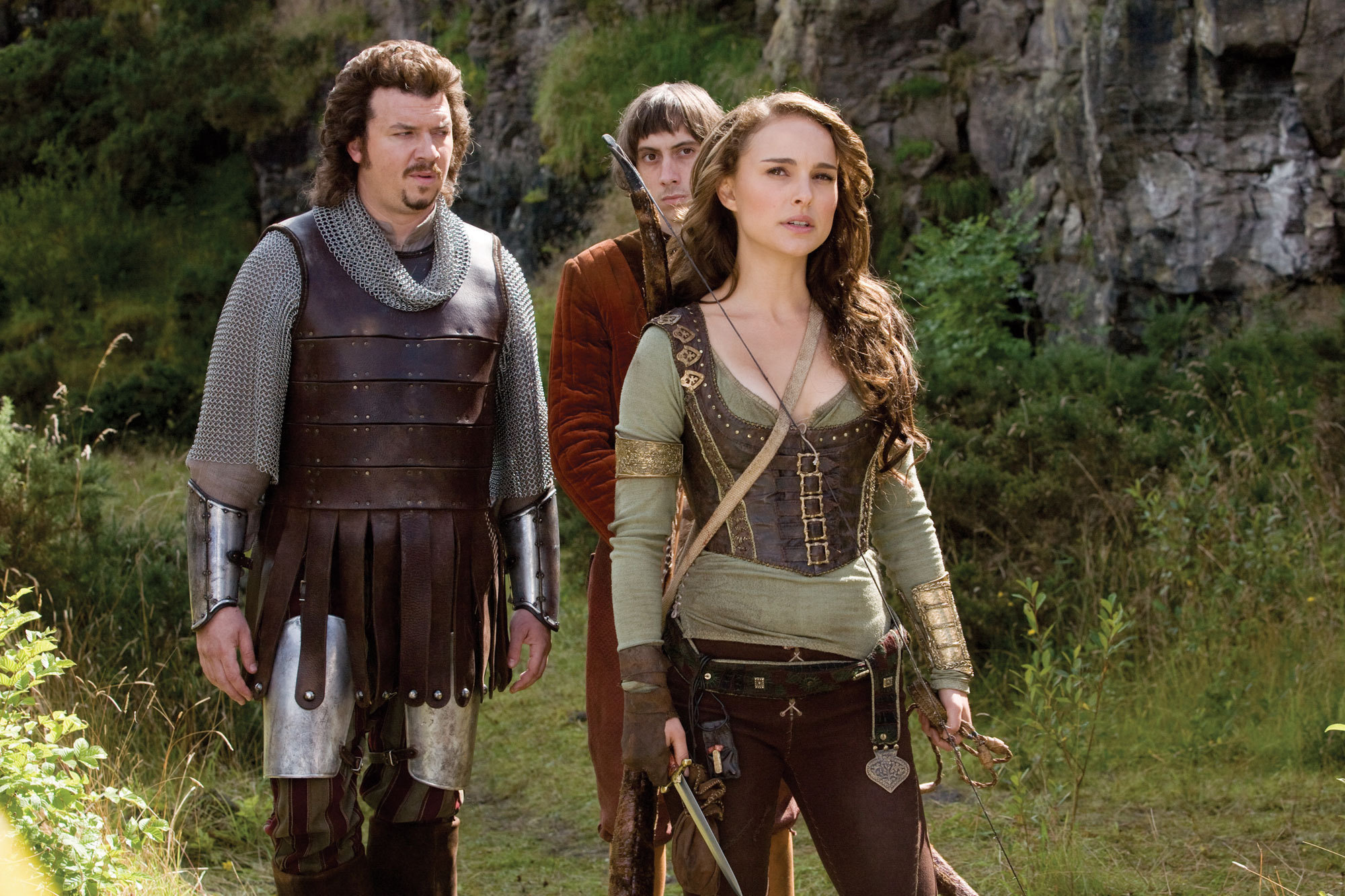
The cast of Your Highness
Last year I was offered the chance to direct pick-ups and reshoots for a low-budget feature. I watched the existing rough cut and it was utterly, unsalvageably awful. One of the key investors, however, had a list of suggestions to “improve” it. Amongst them – prefaced with the line, “Sex sells. Always has. Always will.” – was an entreaty for some gratuitous female nudity.

He would not have been the first person to try to save a bad movie with T&A.

Take the puerile 2011 “comedy” Your Highness. Already steeped in misogyny – the villain plans to rape Zooey Deschanel so that she’ll conceive some kind of demon, a plan which the script treats as more comedic than abhorrent – the film reduces Natalie Portman’s warrior to eye candy with a needless thong scene. Inevitably this scene figures prominently in the trailer.

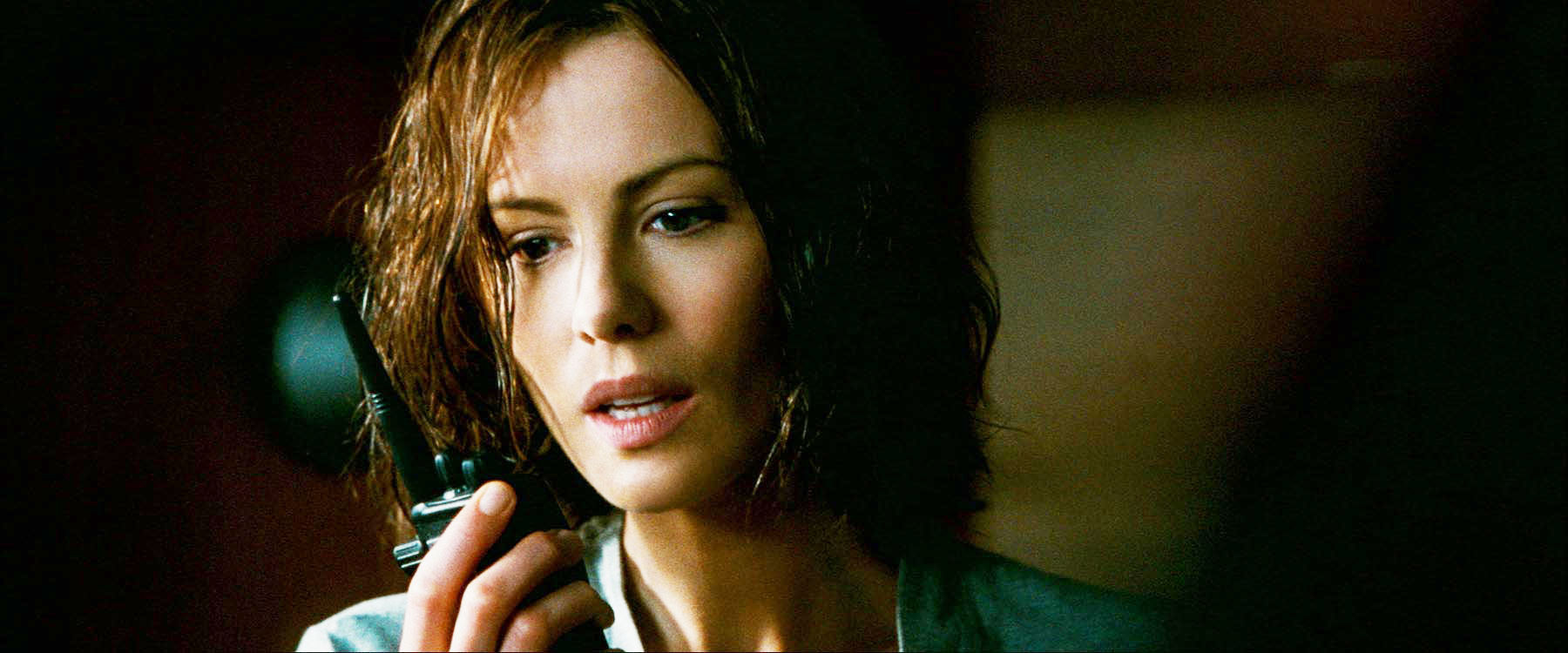
Kate Beckinsale in Whiteout

Or 2009’s Whiteout, starring Kate Beckinsale as a US Marshall stationed at a research base in Antarctica. How is her character introduced? Setting up her deductive powers as she solves a case? Establishing her authority as she defuses a tense situation? Demonstrating her physical prowess as she chases down a suspect? No. She strips off and takes a shower, and the camera gets a close-up of her bum. For no reason whatsoever. Whiteout is immediately ruined because the audience has been told that the lead character is only there to be ogled. Presumably director Dominic Sena misguidedly thought that a little skin would improve the appeal of a film that’s uniformly inept, from the production design – a British character decorating his room with a huge Union Jack, seriously? – to the script, revealing its tedious backstory through clumsy flashbacks. (Even more depressingly, I’ve just read on Wikipedia that the graphic novel the film is based on had two female leads, but one was changed to a man for the film because the studio thought that would increase the audience.)

There are of course many, many more examples both in cinema – like the inexplicable Alice Eve underwear shot in Star Trek Into Darkness – and in the wider media, as evidenced by this brief but telling montage.

There will be some men reading who think gratuitous female nudity is harmless, even a good thing, but here are just a few reasons why it’s not:

  1. It’s a signpost that your film is bad, and you know it is.
  2. It undermines your female characters, weakening your story and the level of emotional engagement an audience will give to it.
  3. Your actress is a human being. How does she feel about it? What about the countless websites that will inevitably take the scene out of context and present it for male gratification?
  4. It perpetuates the objectification of women and misogyny in general, both huge problems in our culture today.
  5. It contributes, I strongly suspect, to the dearth of women behind the camera, by portraying them as glorified props rather than valuable contributors to the filmmaking process.

If writers spent more time on crafting good characters, particularly good female characters, they wouldn’t need gratuitous T&A or any other spurious fixes. Stronger female characters are starting to appear in cinemas, but often they’re far from ideal. This article from Dissolve questions the quality of some of the superficially strong female characters in recent blockbusters. Putting a woman in an action role just so she can wear a skin-tight costume and demonstrate her physical flexibility is not equality. There’s a long way to go yet.

Joss Whedon, creator of Buffy the Vampire Slayer and director of the Avengers movies, has some excellent and impassioned stuff to say on this subject. I’ll leave him with the closing words.

Women On Film: Characters or Glorified Props?

2015: The Future on Film

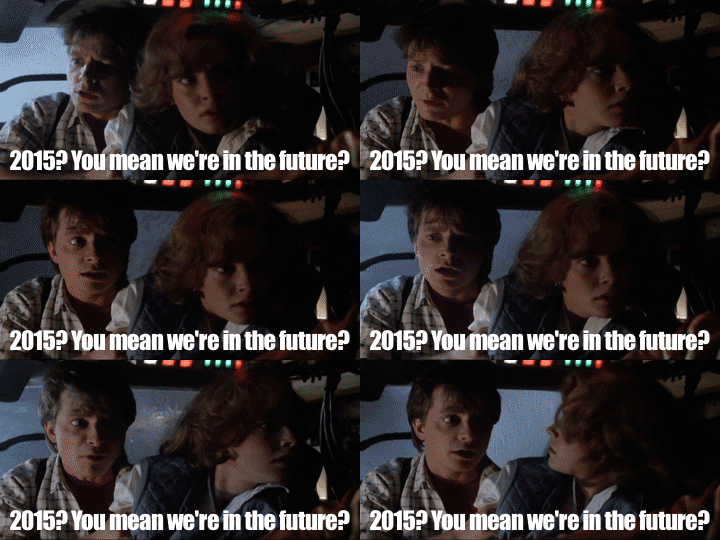
BTTF2-2015We’ve finally caught up with Doc Brown and his flying DeLorean, and arrived in 2015. (Alright, technically we haven’t caught up with him until October 21st, but go with me here.) Inevitably this has led to a number of articles comparing the 2015 of Back to the Future Part II with the reality of today’s world. While this is fun, it misses the point.

It’s not the job of sci-fi filmmakers to predict the future, just as it’s not the job of period filmmakers to present the past with slavish accuracy. It’s the filmmaker’s job to present an environment that is believable within the context of the story, and, crucially, that is thematically appropriate for the story.

The low-tech FX behind those self-lacing Nikes

The Back to the Future films are comedies first and foremost, so they made the future fun. Writer-producer Bob Gale realised that he would fail if he genuinely tried to predict the future. “We decided that the only way to deal with it was to make it optimistic, and have a good time with it,” he says in the official behind-the-scenes book of the trilogy.

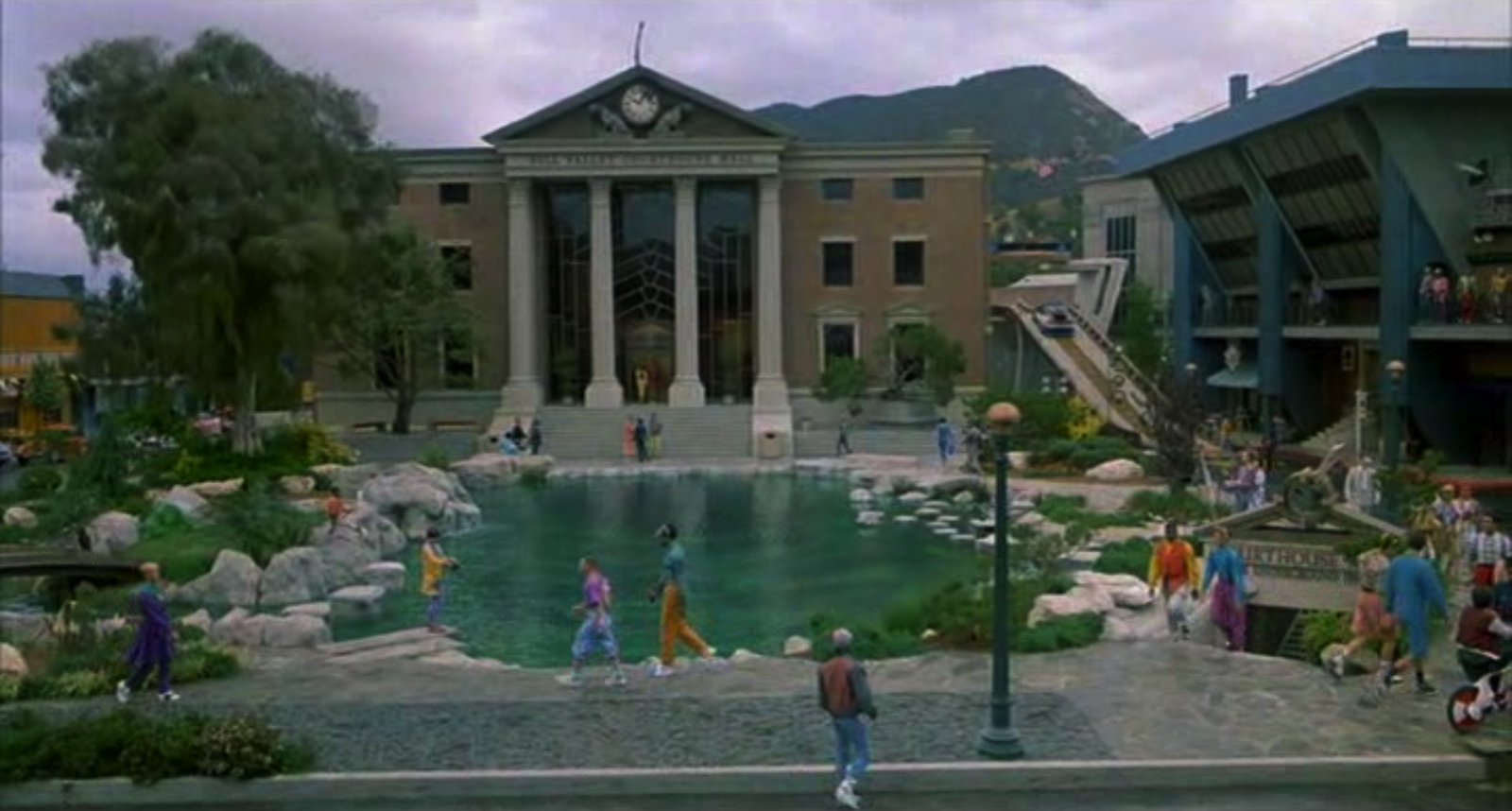
Production designer Rick Carter notes how the optimistic 2015 mirrors the rose-tinted 1955 portrayed in the first film. “In Part I the 1955 square had a beautiful, grassy park. In the ’80s it was paved over for a parking lot, and in 2015, once again, we have this serene park and pond – with 75 shops underneath.”

"Don't talk to anyone, don't touch anything, don't do anything, don't interact with anyone and try not to look at anything."
“Don’t talk to anyone, don’t touch anything, don’t do anything, don’t interact with anyone and try not to look at anything.”

Flying cars and hoverboards don’t exist in the real 2015, but if they hadn’t in BTTF’s fictional 2015 then we would have been denied the brilliant tunnel sequence at the climax of Part II. (“Manure, I hate manure.”) It was important to the story that the future was different from 1985, that skateboards and cars had leapt forward so that sequences from Part I could be revisited with a futuristic twist, rather than simply being repeated with ground-based skateboards and cars.

Back the Future Tunnel2
That car won’t be so shiny in a minute.

“We just modified ordinary, everyday conveniences,” Gale continues. Kids watched too much TV in the ’80s, so he envisaged a future in which this was taken to a ridiculous extreme, with kids wearing their TVs as glasses. Microwave meals had begun to compete with home cooking, so Gale invented another leap forward with the pizza-inflating food hydrator. As is inevitable and right, yesterday’s vision of tomorrow tells us more about yesterday than tomorrow.

In the end, it’s not 2015 that looks ridiculous to the modern BTTF viewer, it’s the ’80s. 1985 is portrayed bleakly throughout the trilogy, with its rundown Hill Valley square, its Libyan terrorists, its graffitied high school, the materialistic fawning over shiny black Toyotas, and the decadence and corruption of the “Biff-horrific” 1985 seen in Part II. Explaining why he built the time machine, Doc Brown soliloquizes: “The intent here is to gain a clear perception of humanity, where we’ve been, where we’re going, the pitfalls, the possibilities, the perils and the promise.” The filmmakers clearly believed that the ’80s were a pitfall, but the future had promise. And that optimism is still as appealing today as it was in 1989.

Plus flying DeLoreans are cool.

"Flying DeLorean? Haven't seen one of those in… 30 years."
“Flying DeLorean? Haven’t seen one of those in… 30 years.”
2015: The Future on Film

Ten Productive Ways to Fill a Lean January

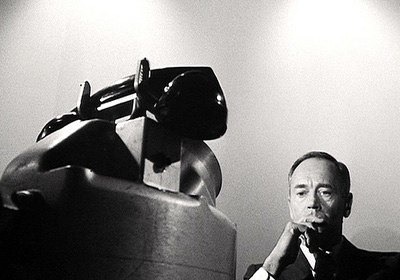
Don't just sit around waiting for the giant, forced perspective phone to ring.
Don’t just sit around waiting for the giant, forced perspective phone to ring.

January is often a lean time for film freelancers. The powers that be have not recovered from Christmas sufficiently to commission any new work, the budget for the financial year is almost spent, and the weather and short hours of daylight make shooting difficult and unpleasant.

So when you’ve had enough of eating the Christmas leftovers, and watching TV box-sets, how can you gainfully fill your time? Here are some suggestions.

  1. Do your taxes. Really, you can’t put them off any longer.
  2. Update your showreel. Chase up producers for clips and get editing, so you can show your latest and greatest to the world and line up some sweet work for 2015. Don’t forget to add your latest credits to your CV as well, and update your website.
  3. Go through the job sites – Shooting People, Mandy, Talent Circle etc. – and  write some applications. Even if there’s nothing quite up your street, why not stretch yourself and apply for something a little different? If nothing else, it’s good practice.
  4. Attend events, workshops and talks to broaden your knowledge and network. Did you know, for example, that there’s a free cinematography masterclass on in Birmingham on the 31st?
  5. Learn more about your craft by reading books on the subject. (I recently posted a list of my favourite “making of” movie books.)
  6. Go to galleries and see relevant work – a cinematographer might want to look at the use of light in classic paintings; a costume designer might want to check out an exhibition of period fashions, and so on.
  7. Go to the cinema! There are several great films out at the moment, including The Imitation Game, The Theory of Everything and Birdman.
  8. Perform essential maintenance on your equipment. Fix those niggly things that you’ve put up with for the last few months while you’ve been busy, top up your consumables, and order those cheap accessories from Hong Kong now while you can afford to wait weeks for them to arrive.
  9. Do a personal project: make a micro-short, write a script, take some photos. It’ll help keep your skills sharp and could help you get work.
  10. Do something entirely unrelated to filmmaking. Such things exist. Apparently.
Ten Productive Ways to Fill a Lean January

Six Cinematic Uses for Fairy Lights

They’re everywhere at this time of year, twinkling away, but I carry a string of fairy lights with me on every shoot, whatever the season, because they can be useful in many ways. Here are a few:

1. Firstly and most obviously, they’re handy set dressing to tell the audience that it’s Christmas. Useful in a montage to help sell a passage of time, like in this shot from Stop/Eject:

StopEject013682

2. Fairy lights produce lovely bokeh in the background of a close-up, as in this scene from the Doctor Who TV Movie. Use a long lens and a wide aperture for the maximum effect.

vlcsnap-2013-02-06-10h48m38s142

3. In fact, you can use fairy lights to create a completely abstract background of out-of-focus lights, maybe as a backdrop for credits, titles or DVD menus.

stock-footage-bokeh-light-out-of-focus-fairy-lights

4. You can tape fairy lights to a polyboard and create a lovely soft light source as Eve Hazelton demonstrates in this video at 4:28.

eyelight

5. Fairy lights against a black background, underexposed, make an instant starfield backdrop as seen in Soul Searcher at 39:21. These were actually some of Hereford’s Christmas lights that the council had put up outside the window of my flat.

starfield

6. Similarly, fairy lights can represent distant city lights, as seen outside in the first shot of this trailer. (It was actually filmed in the daytime with makeshift black tenting around the window and the fairy lights within that.) For another example, check out the model shots of the train in Soul Searcher, above, like the one at 1:22:07. This behind-the-scenes photo of the miniature set shows the string of fairy lights that were used as “streetlights” between the model buildings.

TrainBG

Six Cinematic Uses for Fairy Lights

Review of the Year: 2014

Lining up a shot on the village set for Ren
Lining up a shot on the village set for Ren. Photo: Michael Hudson

Last year’s review saw me uncertain as to where to go next as a director, but chuffed to have DPed some great projects including Girl and a Scar and The First Musketeer. I stated my goals for 2014 as follows:

So in 2014 I hope to work as DP for many more great directors, to complete A Cautionary Tale, to see Stop/Eject get into a significant festival, to enter Virgin Media Shorts again.

Finding a frame with director Sophie Black on Night Owls
Finding a frame with director Sophie Black on Night Owls. Photo: Dimitri Yiallourou

Well, I’ve achieved 50% of those.

Virgin Media Shorts is no more, so that was the end of that goal.

A Cautionary Tale – now re-titled Amelia’s Letter – is nearly finished – finished enough that we entered it into a festival last month. But we still need to tweak the grading, record the music with live players and mix the sound.

Stop/Eject got into the highly significant Raindance Film Festival, and has recently been long-listed for a Bafta. Not too shabby.

Last but the opposite of least, I have indeed worked as DP for many great directors this year. You may have heard me mention a little web series called Ren once or twice, and that I quite enjoyed it. As I write this I’ve just been looking at some of the rushes again and even though I was there for two months shooting it, I’m blown away by the production value which director Kate Madison got on screen. Big things will happen for Ren, I feel sure of it.

Shooting Hellblazer
Shooting Hellblazer. Photo: Amy Nicholson

Shorts I lensed this year included Coffin Grabber (dir. Claire Alberie), The Gong Fu Connection (dir. Ted Duran), Access All Areas (dir. Rick Goldsmith), Night Owls (dir. Sophie Black), and Forever Alone (dir. Jordan Morris), plus the music promo for Hellblazer by Savage Messiah (dir. Tom Walsh).

Perhaps the most important thing to happen in my career this year was my decision to stop doing corporates. This was a massive decision that started with me telling a client of over a decade’s standing that I didn’t want to do their editing any more, and snowballed from there. Little corporate jobs booked way in advance were getting in the way of bigger, last-minute drama shoots. There could only be one winner.

Corporates had been my main source of income for nearly fifteen years, but I’d had enough. I simply couldn’t take the lack of creativity any more.

I was focusing in on what I wanted to do and stripping away what I didn’t. I don’t want to be executing notes from corporate clients. I don’t want to be shooting interviews. I don’t want to be lensing training videos in bland offices with no crew and a client who has no understanding of aesthetics or story. And I don’t want to be stuck in a room with a computer, editing, especially when there are so many people out there who can do that much better than me.

Gaffering on By Any Name
Gaffering on By Any Name. Photo: Sophie Wiggins

I want to be on set, DPing drama. I want to tell stories with lighting and composition until I die. If people want me to direct things occasionally, fine, that’s fun, but cinematography is my passion and my calling.

An interesting sideline that has developed is gaffering, something I’d never done before this year. I’ve worked on two shorts and a feature this year as gaffer for DP Paul Dudbridge, and it’s been great experience to watch another cinematographer at work.

So in 2015 the goal is very simple: keep DPing drama, with a bit of gaffering in the gaps. There is a short film in development for me to direct, and I have a vague ambition to direct some music videos, but those are much less important than continuing to light and shoot drama. If I can earn enough money to buy one of those new-fangled hoverboards that are coming out next year, maybe some self-lacing Nikes and a hover conversion for my old road car, I’ll be happy.

Merry Christmas everyone and remember: life’s too short to not be doing what you love.

Review of the Year: 2014

Cinematography: My Process

Consulting director Sophie Black's storyboards on Night Owls. Photo: Dimitri Yiallourou
Consulting director Sophie Black’s storyboards on Night Owls. Photo: Dimitri Yiallourou

I thought it might be of interest to describe my typical working process as a director of photography on a shooting day. Different directors and ADs will run their sets different ways, so this is a generalisation.

I like to start the day by reading some of Stephen Murphy’s DOP Documents over breakfast. These elegantly-laid-out collections of screen grabs from top cinematographers are fantastic inspiration.

On some productions I’ve had long talks with the director, I’ve seen storyboards or shotlists and I’ve been on the location scouts or walked the sets already. On others I’m a last minute hire and I know nothing beyond what it says in the script. (And this should go without saying, but you need to read the script. Apparently some DPs don’t. WTF?)

Whenever I see the set for the first time, be that in preproduction or on the day, I start to think about light sources. If it’s outdoors, what is the sun orientation? If it’s indoors, where are the windows? If it’s night, what practical sources are there and do I need to add or remove some?

Ideally the next thing that happens is that the actors arrive, still in their street clothes, and the director blocks the scene with them. If I see anything that can be tweaked to orientate the talent better towards the light sources, or to provide more interesting framing, I’ll suggest it.

During the blocking I’ll wander around with Artemis (a virtual director’s viewfinder app on my iPad). If there’s a shotlist or storyboard, I’ll find the angles described and check they work. If not, I’ll find the angles I think will work well. I’ll screen-grab all of these and show them to the director when they’re done blocking. There may then be some give-and-take, perhaps adjusting the actors in situ through the viewfinder, until the director is happy.

Before the actors depart to get into costume and make-up, I’ll have my assistant put down marks for their key positions. Then the cast can leave and I can get down to the business of lighting the scene. Here’s broadly what I’m thinking about, in roughly the order I tend to think about it:

  1. Realistically, where would light be coming from?
  2. How should the scene be lit to create an appropriate mood?
  3. How should the cast be lit to look their best and enhance their characters?
  4. Aesthetically, what lighting will look the most pleasing?
  5. Practically, where can I put lights with the grip equipment I have, without any of it coming into shot?
Lensing Three Blind Mice

Once I’ve taken a few minutes to figure that out, I’ll start issuing instructions to my gaffer. I might walk around planting lamps, or just stands, and let the gaffer finish the job by cabling them, or I may let him set some lamps up while I puzzle over whether I’ll need other lamps elsewhere. Meanwhile the camera is being set up with my chosen lens on, either by an assistant or me, if we’re short on crew. (Most directors leave lens choices to me.)

When most of the lamps are set, I’ll fire everything up and draft in whoever’s around to stand in for the actors so I can see if it’s working as planned. I don’t use a light meter, so everything is judged by eye on the monitor, perhaps with the aid of a histogram. Some tweaking usually ensues.

By this point hopefully the cast are back on set and we can start camera rehearsals. Although these are useful to the cast and director, they’re invaluable for me so that I can practice the camera move and see how the light works on the actual actors and costumes. Usually there’ll be a little more tweaking of lights before we shoot. With any luck this doesn’t hold up the director because they’re busy giving last minute direction to the cast.

After we shoot I’ll tell the director whether the take was any good from a camera and lighting standpoint. I generally don’t request retakes unless I’ve screwed something up pretty badly. Long experience has taught me that the editor will always choose the best take for performance, regardless of any minor camera wobbles or dodgy lighting, so I’m not going to waste time insisting on another take which won’t get used. The important thing is for the director to get the performance they want. Having said that, it’s my job to flag up any cinematography fluffs so that it’s the director’s decision whether to go again or not.

Once the first shot is in the can, lighting for the coverage should be fairly straightforward. I’ll have my assistant change the lens, then I’ll move the camera to the new position myself and see how the existing lighting works. Then I can tweak things accordingly.

And so it goes on until the scene is wrapped.

OK, enough from me for a minute. Want to see a legendary cinematographer’s process as he lights a scene? Check out this unique and fascinating video.

I’ll leave you with the latest Ren production diary, which asks (and fails to answer) the question: “What is a DoP anyway?”

Cinematography: My Process

Traction: A First Time for Everything

Me (far right) with the cast and crew of Traction in December 1999

Fifteen years ago I made my first professional film, Traction. Okay, it wasn’t professional in the strictest sense – I wasn’t paid – but I racked up a number of important firsts on the project and learnt a lot. Based on a true story, it’s about a teenaged boy undergoing traction for his juvenile arthritis.

Today you can go out and make a film on your smartphone and reach an instant audience via YouTube, which is great, but you need to collaborate with others if your work is ever going to reach its full potential. Here’s how Traction challenged and improved me.

  • First time having a production company to answer to. Traction was produced by The Rural Media Company as part of its youth media programme, in which I was a participant. It was a completely new experience for me to have to submit a draft script and take on board the feedback of the company’s senior staff. I was probably resistant at first, but their advice was good. You’re not compromising your artistic vision by asking for and acting on feedback from others, you’re making it stronger. And when you work with a budget, you will always have to answer to the people supplying that budget, so get used to arguing your case and sometimes losing.
  • First time directing anyone other than my friends. I had to learn to be clearer and more communicative to get the best out of the other young people who were acting as my crew. They were all into the project far more than my corralled schoolfriends had ever been into my amateur films, which was great and really energising for me as a director.
  • First time directing anyone with acting experience. How to work with actors is something I’m still learning to this day, but the process started right there in 1999 when I ran my very first audition at Hereford College of Art and then directed Rowan Middleton for the two days of the shoot. It’s been said many times by many people, but don’t just cast your mates in your films. Unless your mates are really good actors and right for the parts. Obviously.
  • First time having to stick to a schedule. Although the only costs of Traction’s production were travel and catering expenses, and the youth worker’s fee, I still had a responsibility to ensure that Rural Media did not have to pay for more than the agreed two days’ worth of those costs. This forced me to be prepared, disciplined and ready to compromise when time ran short. Staying on schedule is always a challenge for a director, and the sooner you can start to learn this skill, the better.
  • First time shooting on digital video. Traction was a great opportunity for me to learn a new medium, having worked exclusively on the analogue Video-8 format up to that point. Most filmmakers own a camera, but have you considered hiring or borrowing a better model for your next project? Push yourself, learn to use a new bit of kit and raise your production values at the same time.
  • First time using lighting. Many new filmmakers are scared of lighting, and I probably was too before Traction. Don’t be afraid to experiment; it’s one of the best ways to learn.
  • First time having to use only copyright-cleared music. If you’re only posting your films on YouTube, you can get away with using copyrighted tracks and the system will just put an iTunes link under your video. But dipping into the vast catalogue of pre-existing music can make you lazy. Why not advertise for a composer – there are so many out there desperate to get a start in film scoring – and get some original music for your piece?
  • First time being limited to a final running time. Traction was made for a competition which had a strict five minute time limit. Nothing sharpens your editing skills more than a hard running time limit, and for that reason I’d recommend that every filmmaker try entering a competition at some point in their career.

If you’re a new filmmaker trying to raise your game, ask yourself if you’ve pushed in every direction you can to improve your work, or are you stuck in your comfort zone?

traction6
Left to right: sound recordist John Galloway, me, and actors Rowan Middleton and Rosie Laws
Traction: A First Time for Everything

2.39:1 Composition

In the days of 4:3 cameras, many filmmakers chose to mask off their viewfinders and shoot in 16:9 widescreen. Now that 16:9 is ubiquitous, those of us wanting something more cinematic turn to the glorious 2.39:1, a.k.a. Scope. Choose your aspect ratio carefully though, not just because it “looks cooler”. 2.39 works well if you have lots of landscapes, lots of extras or a wide set. It’s not so great if one of your main sets is a tall, narrow booth, as I found out the hard way on Stop/Eject.

I love composing for the 2.39 ratio. You have so much flexibility on where to put your subject in the frame. The rule of thirds is obsolete here. You can put someone almost anywhere in the 2.39 frame and have it look good. They can be short-sided (placed on the “wrong” side of frame) but still have looking space. They can be just off centre, or they can be squeezed right to the edge. And if it’s a two-shot or a dirty single, you can illustrate the closeness of the characters’ relationship by choosing the distance between them in the frame – anywhere from overlapping (a couple madly in love?) to facing each other across the full width of the widescreen frame (enemies with no common ground?).

Here are some of my favourite examples of 2.39 composition. First up, The Matrix, lensed by Bill Bope. Look at how he uses black space to create a stark minimalism. One of the most powerful things you can do with all that horizontal space is to not use half of it!

Matrix-black1

Matrix-door

Matrix-Morpheus

In this close-up (below), Morpheus starts off conventionally framed on the left, but leans forward at a key point, crossing the width of the frame to become short-sided, as pictured. It really makes it feel like he’s getting in your face.

Matrix-Morpheus-shortside

Symmetrical shots become more powerful in 2.39. These ones really help reinforce the rigid, computer-generated nature of the matrix.

Matrix-chairs-symmetry

Matrix-agents-symmetry

In Donnie Darko (DP: Steven Poster), formal composition (framing characters centrally) is used as a stylistic device in the dream sequences. Again, a powerful symmetry in this wide format.

Donnie1 Donnie2

I love the composition of this shot from Armaggedon (DP: John Schwartzman). He’s on the “wrong” side of frame and he’s barely off centre, but somehow it works beautifully. It almost looks like he’s surging forwards with the flag, rather than seeming dominated by it, like he would if he was on the right of frame.

Armageddon

Jan de Bont’s cinematography in Die Hard is a masterclass in 2.39 composition. Check out the depth in these raking shots.

DieHard-Bonnie

DieHard-mirror

Below, De Bont uses the doorway as a symmetrical frame for the composition, which gives Willis license to be anywhere within it.

DieHard-CU-shortside

Here’s an interesting lesson in shooting over-the-shoulders in 2.39. Put the foreground actor on the edge of frame and you’ll find it very hard to keep a sense of depth if you put the background actor over on the other side of frame. You need them nearer so the perspective can continue off into the other side of frame, perhaps with other characters (or a statue, in this case) in the deep background or just the set.

DieHard-overshoulder

Here’s a nice bit of short-siding, balanced out by the car.

DieHard-shortside-ext

And finally, I utterly adore this shot/reverse from Alien (DP: Derek Vanlint). If ever a director tells you that shot/reverses have to match, show them this scene. Every rule in the book is broken. He’s shot from a low angle, she’s shot from head height. He’s in a mid, she’s in an MCU. His single is dirty, hers is clean. He’s on the left of frame, and so’s she! But isn’t it gorgeous? Both characters are given power through composition, but in different ways. His power comes from the low angle of the camera. Hers comes from her being placed towards the closer end of the horizontal lines in the set. If she’d been placed on the tapering end, on the right of frame, she would have no power in this scene at all, compositionally. I can’t say whether it’s intentional, but the fact that this compositional power – equal but different – matches the power the characters have in the dialogue and performance, is just exquisite.

Alien-HurtAlien-Weaver

What are your favourite 2.39 movies, and how do they use the frame to help tell the story?

2.39:1 Composition