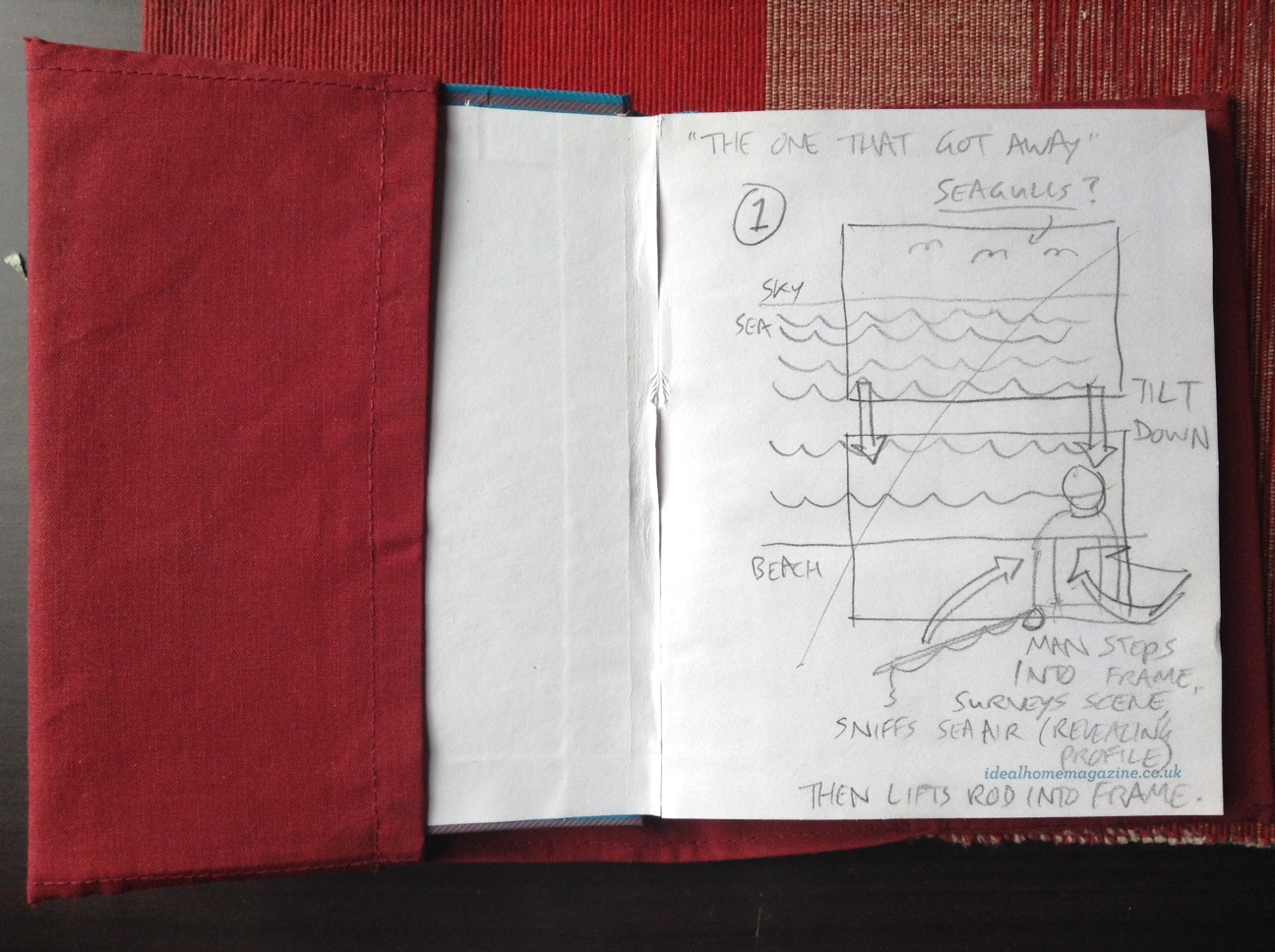
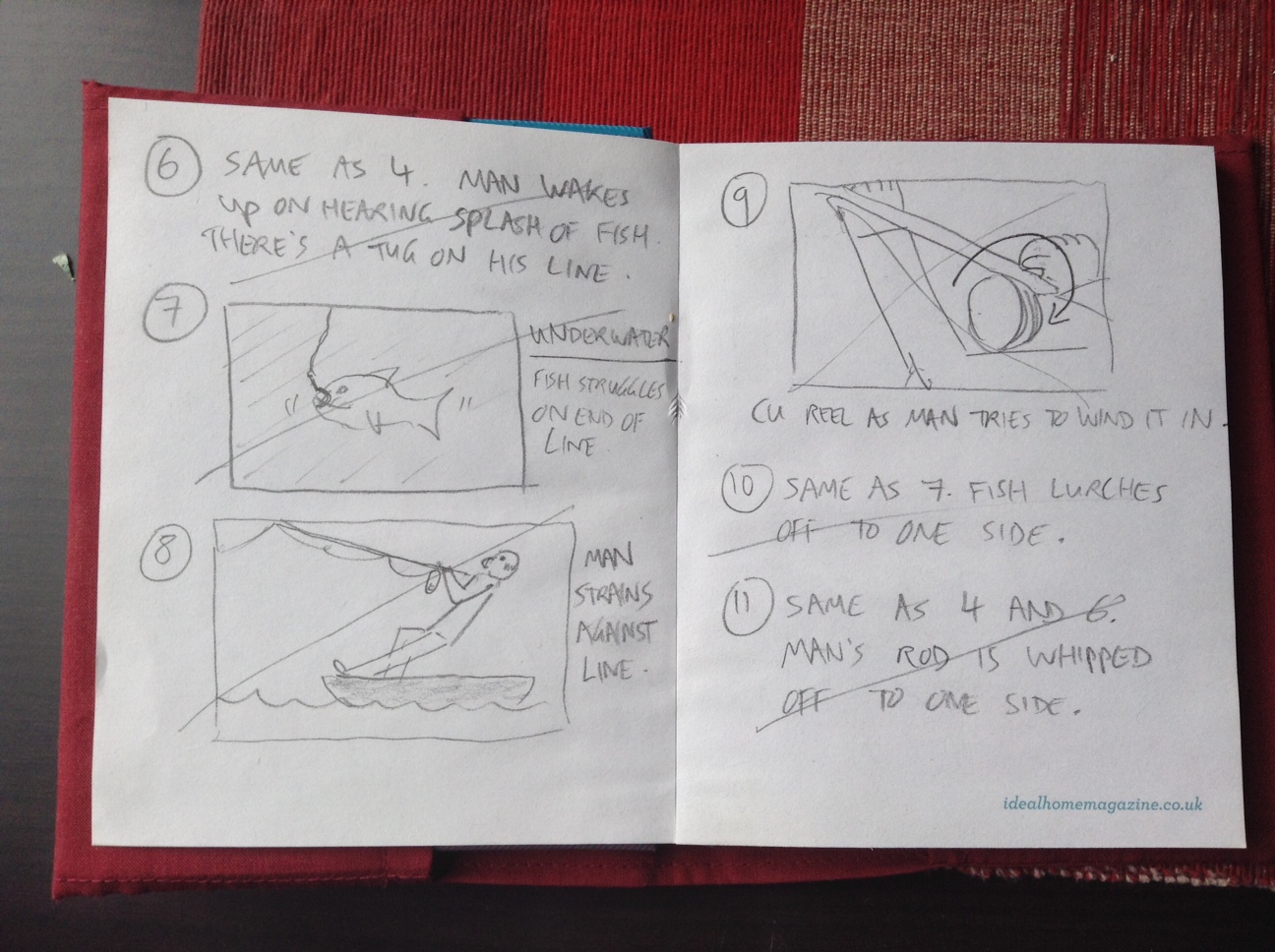
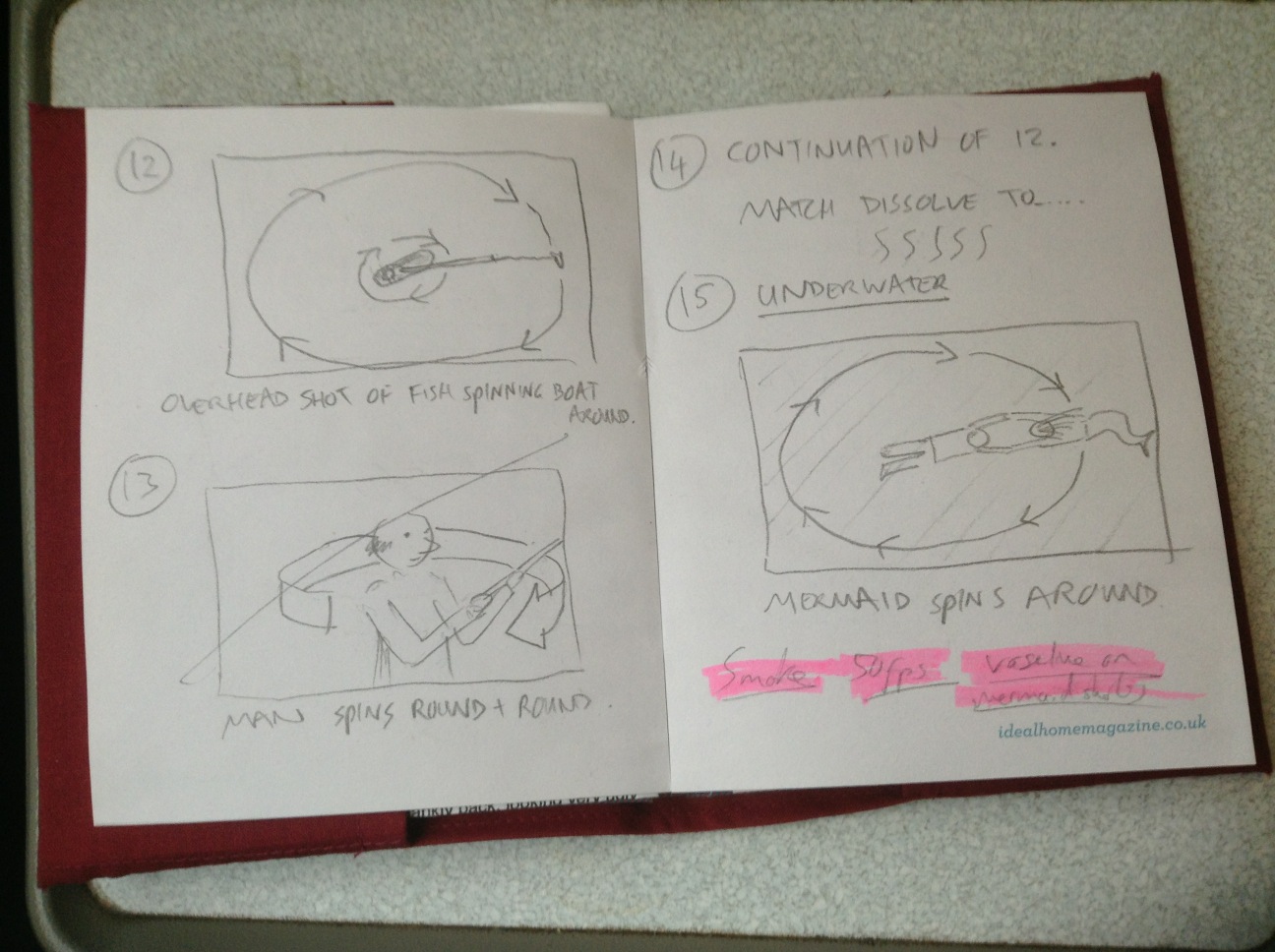
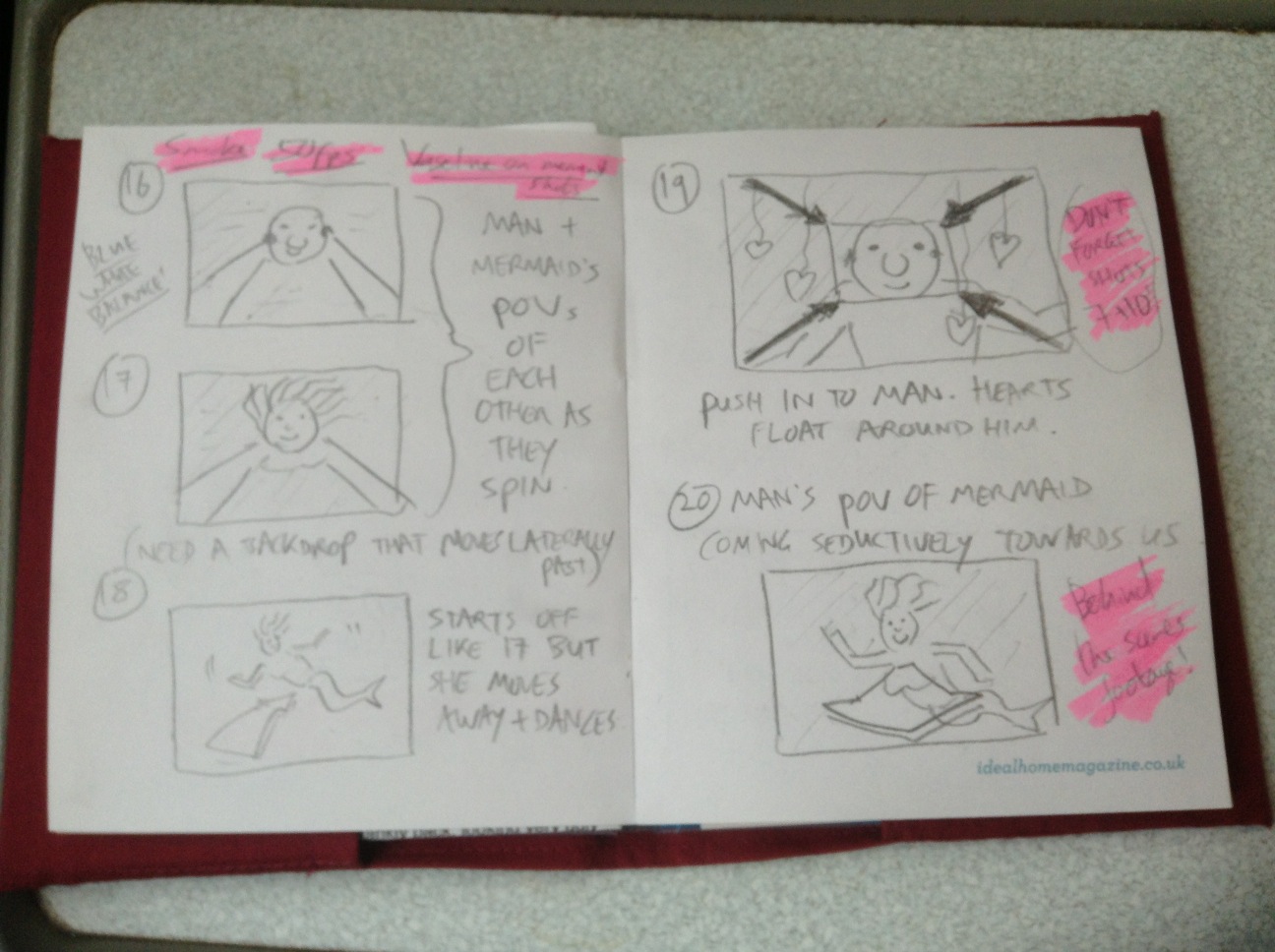
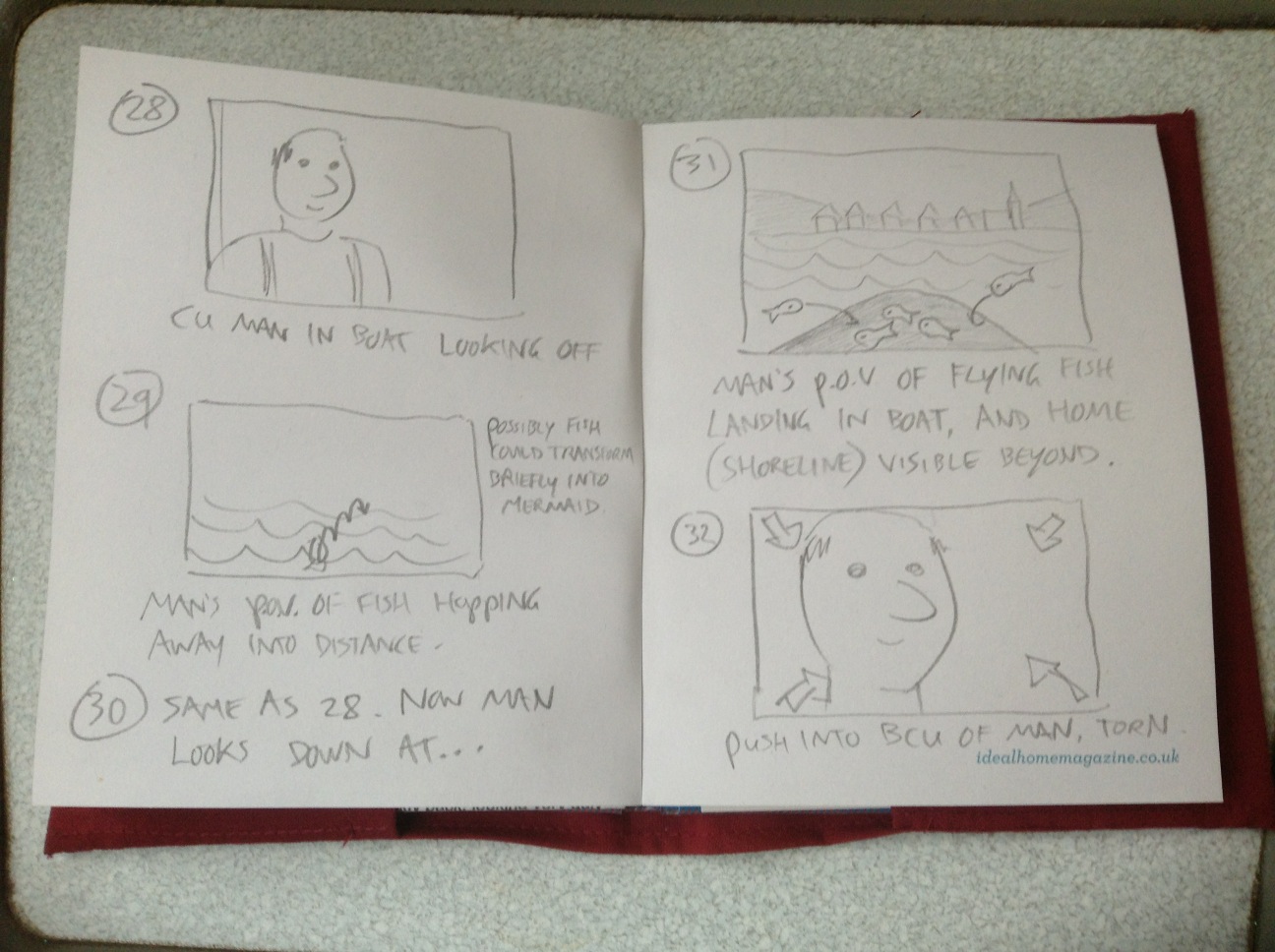
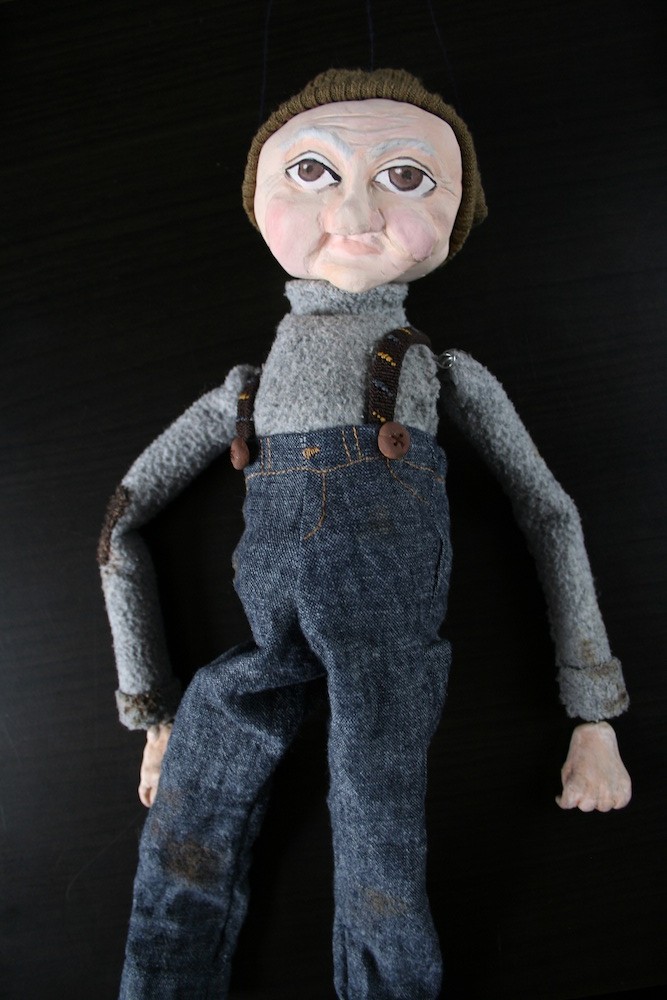
The One That Got Away, the puppet film I submitted to Virgin Media Shorts this year, didn’t have a script. Instead, I storyboarded it from a brief outline written by my wife Katie. Here are those storyboards.
What to Look For in a Distribution Contract

What follows should not be construed as legal advice, and you should ALWAYS get legal advice before signing a contract. However, if you’ve been offered your first distribution deal and money is tight, these basic tips might help you reach a rough understanding of what exactly is on the table before you splash out on a solicitor.
As an example I’m going to use one of the contracts I was offered for my feature Soul Searcher, but not the one I signed.
Download the contract (PDF, 143KB) – I cannot be held responsible for any losses arising from the use of this contract or the following blog post.
|
Grant of Rights Producer hereby grants to Distributor, with respect to the Term and the Territory set out below, the exclusive distribution and exhibition rights in all media now known or devised later including, but not limited to Theatrical, and Non Theatrical rights, Video/DVD rights, rights pertaining to all forms of Television syndicated or non syndicated, ancillary rights, and all kinds of internet rights pertaining to the feature film entitled “SOUL SEARCHER” (the “Picture”) a film by Neil Oseman, shot in Mini DV. Territory: The World excluding U.K. Term: Commencing immediately and expiring 25 years from the Date of Complete Delivery. |
First of all check out the TERRITORY and MEDIA, i.e. what countries are you allowing the sales agent to distribute the film in and in what form (theatrical, DVD, TV, VOD…), but be aware that just because the contract grants them the right to release your film in cinemas, for example, it doesn’t mean they are under any obligation to do that. Also check out the TERM – how long will they get these rights for? The 25 year term in this contract is unusually long; five would be more typical.
|
Minimum Guarantee (“ Advance”) Distributor agrees to pay Producer Fifteen thousand dollars ($15,000.00 USD) as a Minimum Guarantee of Producer’s share of Gross Receipts payable 20% on signing of this agreement and approval of Chain of title. The remaining 80% balance will be on complete delivery and acceptance, in terms of technical specifications, of all the items noted under Schedule “ A”. |
This contract offers an ADVANCE – meaning that they pay you upfront, later recouping this advance out of the profits. But if your film doesn’t make any profits you’ve still got the advance. This is a great deal for a low budget filmmaker.
|
Distribution Fees, Expenses and Reporting Distributor shall be entitled to a distribution fee of 25% of gross receipts net of withholding tax from exploitation of the Rights. |
The crux of the contract is the PERCENTAGE of any earnings that the sales agent will pass on to you the producer, the higher the better. Here they are proposing to take 25%. That leaves 75% for me – pretty good, huh? But wait….
|
Distributor shall also be entitled to distribution expenses to a maximum cap of U.S. $ 75,000.00 excluding deliverables, unless additional expenses are approved in writing by Producer, which approval will not be unreasonably withheld (“Distribution Expenses”). Distribution Expenses mean out-of-pocket costs incurred by the Distributor, directly or indirectly, in specific connection with distribution, promotion, and marketing of the Picture including any costs which can reasonably and proportionately be allocated to the Picture in accordance with normal accounting practices of the motion picture industry. Gross receipts shall be disbursed in the following order: (1) Distributor’s fee (2) To recoup Distributor’s costs for creating or correcting any deficient materials as set forth above (3) Distribution Expenses (4) Balance to Producer |
Check out that last paragraph. When the money comes in, the sales agent creams off their 25%, then they recoup any costs in correcting the delivery materials (more on that later), then they recoup their EXPENSES, and only then does the producer get what’s left of the pie. So they can swan off to Cannes, Berlin, the American Film Market and so on, to promote their catalogue of films, and take the cost of all their lunches and air fares and slap-up dinners out of the profits before the producers of those films get to see a penny.
You should look for an EXPENSES CAP in the contract, limiting the amount the sales agent can claim out of the profits before they’re passed to you. Here it’s $75,000. The chances of a microbudget film ever making more than that are extremely slim. Result? You never see any money (except the advance, if you’re lucky enough to have been offered one).
|
Representations and Warranties Producer warrants, represents and agrees that it is the holder of the copyright, and has the right to convey all of the rights, licenses and privileges granted herein; that it has not entered and will not enter into any agreement, commitment, arrangement or other grant of rights competing with, interfering with, affecting or diminishing any of the rights and licenses granted herein, and that the Picture, insofar as the Rights granted herein are concerned, are free and clear of any encumbrance and do not infringe upon the rights of any party or parties whomsoever. |
If you sign this contract, what you’re saying via the paragraph above is that you haven’t already sold the rights to anyone else and that your film doesn’t infringe anyone else’s copyright. You’re WARRANTING that you’ve cleared all the music and branding that appears in your film. You got Apple’s permission to show that logo on the iPhone your lead character’s always using, right? And you got WHSmith’s permission to have their shopfront in the background of that highstreet scene?
Now we come to the reason I didn’t sign this contract: the DELIVERY MATERIALS, the list of which occupies five full pages of this contract, so check out the PDF download above to see them.
When you sell a film, you can’t just hand over one master copy of it. The sales agent wants all kinds of different versions – eleven different submasters in this contract, plus all the film elements (those would have been expensive – I didn’t shoot on film!), sound elements, press kits…. And then the documents. Some of the things listed on pages eight and nine (especially the E&O insurance) are serious legal documents that could have cost thousands of pounds to have drawn up. The delivery materials could easily have eaten up the whole $15,000 advance and might even have cost more than the whole production budget of the film. I recommend getting quotes for all delivery materials before signing any distribution deal.
I hope this has given you some idea of what to look for, but let me say again, GET PROFESSIONAL LEGAL ADVICE BEFORE YOU SIGN ANYTHING!
Filming in Belper
Stop/Eject‘s producer Sophie Black gives us a virtual tour of the film’s locations, stopping off along the way to see the work of other filmmakers who have shot in the area. Featuring interviews with actors Georgina Sherrington and Therese Collins, and Yours Truly. Clips courtesy of All Doors Lead Somewhere Productions and Sam Jordan.
Audience Interpretations and the Importance of Test Screenings

One thing I often find myself struggling with as a filmmaker is clarity of motivation and storyline. It’s amazing how easily an audience can misinterpret something – or perhaps I should say how easily they can interpret it differently from the director, writer, etc. Here are some examples:
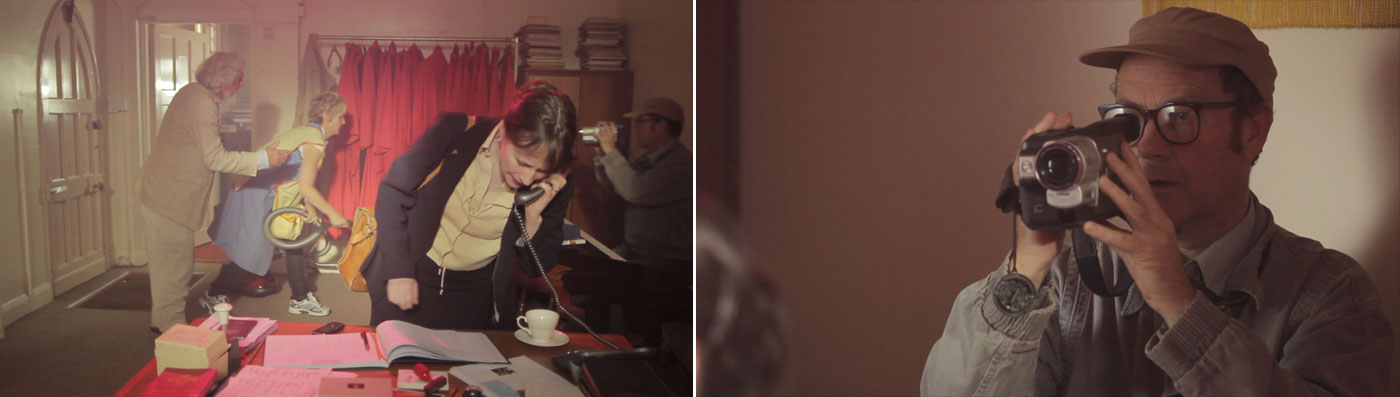
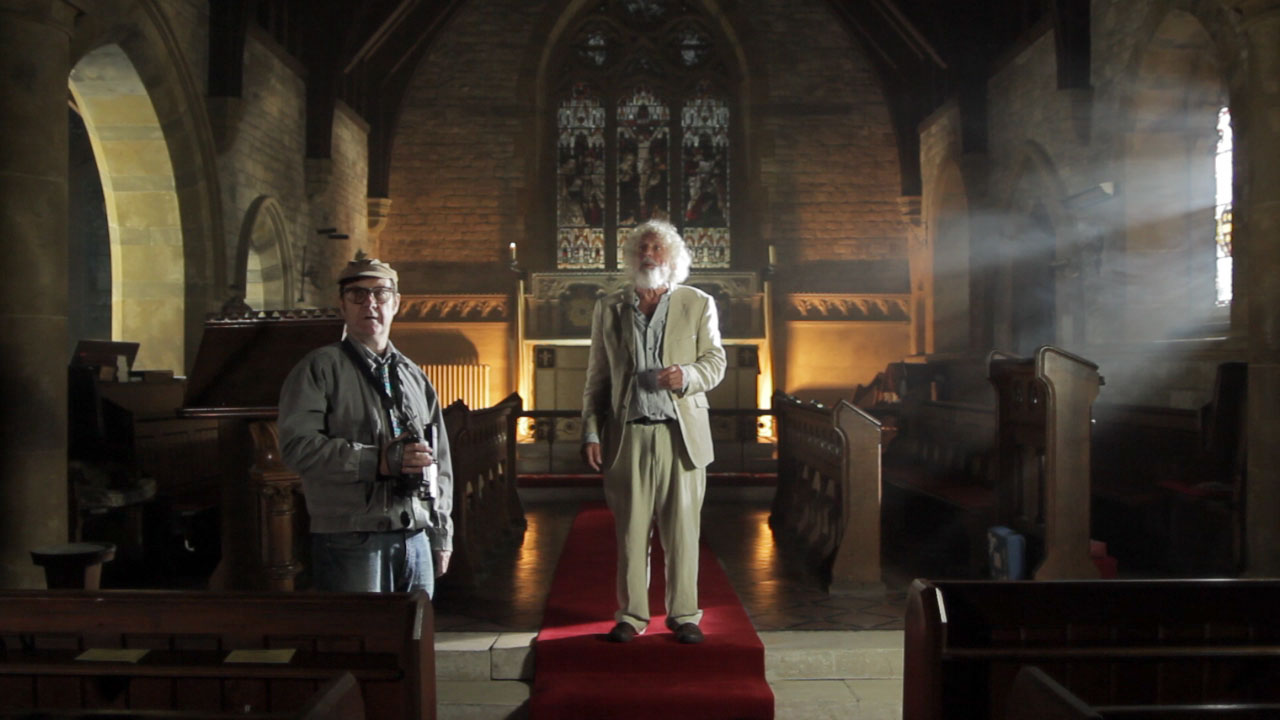
- Stop/Eject‘s protagonist Kate is a costume designer, though this is never stated explicitly, and the scene that might have hinted most at it was deleted early on in the editing process. In the opening scene she enters a charity shop and gets a scrapbook of costume designs out of her bag to refer to whilst browsing the clothing rack. But after trimming the scene to improve the pace, the sequence of events in the locked edit became: Kate enters the charity shop with her husband Dan; she approaches a clothing rack and opens her bag; we then cut to Dan asking the shopkeeper how much a record is, drawing her away from Kate’s location. In short, it looked like Kate was opening her bag to do some shoplifting and Dan was abetting her by distracting the shopkeeper. I was blind to this because I knew Kate’s real intention, but my wife picked it up as soon as she saw it. Despite having locked the edit, on spotting this issue we hastily cut out the shot of Kate opening her bag.
- In the same scene in Stop/Eject, Alice the shopkeeper was filmed looking at her watch. The intention was to show that she knew the cassette in the magic tape recorder needed turning over very soon, and was weighing up whether she had time to answer Dan’s query first. But test audiences thought that, given Alice’s mysterious connection to the time-travelling tape recorder, she was looking at her watch because she knew that any minute now an accident was going to happen, which indeed it does at the end of the scene. The solution was to simply cut Alice’s watch check.
- My 2012 Virgin Media Shorts entry, Ghost-trainspotting, is about a deceased nerd who spots trains of an equally ghostly nature. His ghostly nature, however, is not revealed until late in the film. This revelation comes in the form of (a) him ascending into the clouds in a shaft of heavenly light, his final mission on earth being complete, and (b) a closing shot of his photo in a shrine. But we had to cut the shrine shot due to the competition’s strict length limit, and some viewers thought the shaft of heavenly light looked more like he was being beamed up by aliens. Result? A complete misunderstanding of the story. Sadly, with the competition deadline upon me, I was unable to correct this issue in time.
Audiences aren’t stupid; you just have to remember that they haven’t read the script, been on the set and worked on the edit for months. They’re coming to it completely fresh, and if the right clues aren’t in the film, they have little chance of interpreting it as you intended.
This is why test screenings are so important. Happily most of these types of issues can be resolved fairly easily by cutting something out or adding a line of ADR, but unless you show your edit to fresh eyes you probably won’t even know they are issues in the first place.
Lighting The One That Got Away

Here’s a breakdown of the lighting choices made on my little puppet film, The One That Got Away. You can watch the film over at the Virgin Media Shorts website. If you enjoy it, please use the tweet button to register your vote and help us get a place on the shortlist.
Conventional wisdom with marionettes is probably to go for very flat lighting with no backlight, to make it as difficult as possible to see the strings. But on TOTGA I wanted to embrace and celebrate the tactile, handmade look of the puppets and sets, so I chose a traditional three-point lighting scheme that imparted depth and made no effort to hide the strings.
Normally I shoot wide open – typically f1.8 – on my DSLR, but as the puppets were small the depth of field would have been ridiculously shallow at that aperture. Instead I lit the set very brightly (about 3KW of tungsten horsepower in our cramped living room – not very pleasant during a heatwave!) and stopped down to around f4.
Daylight

For the daylight scenes I used my three open-face tungsten Arrilites: a 1K poking over the top of the backdrop for backlight, another 1K with tough-spun diffuser off camera left for key, and an 800W bouncing off the ceiling for fill. This last lamp was gelled blue to suggest ambient skylight.
I tried to simulate the camerawork that would have been used had this been shot at sea with real actors, so:
- the camera bobs up and down in wide shots, as if Henry’s boat is being shot from another vessel;
- the camera and boat are fixed in close-ups, with the background bobbing up and down, as if we’re now shooting on a tripod in Henry’s boat.
Underwater

The underwater dream sequence was all shot dry-for-wet at 50fps for a watery slow motion. Using Magic Lantern I dialled in a cool white balance of around 2500K, and pumped in smoke to add diffusion and suggest currents. (I wished I’d use a lot more smoke, but we would have all choked to death.)
I used just two light sources: the 1K backlight, now gelled blue, and the other 1K, bounced off sheets of silver wrapping paper tacked loosely to the ceiling. This is exactly the same method I used for a scene in Ashes – flapping a piece of card at the wrapping paper makes the light ripple in a very watery way.

The underwater lighting scheme was a lot darker than the daylight one, so I opened up to around f2, giving a crazily shallow depth of field that worked nicely for this dream sequence. The mermaid’s close-ups were all shot through a CD case for an old-school soft-focus look.
I would have liked to have shot this sequence handheld, but a lack of crew meant I had to lock the camera off so I could operate the smoke machine, fan the wrapping paper and move little fish through frame.
Sunset
When Henry awakens from his dream, the fish escapes and he gives chase. Orange gels and lens flare were used to suggest the sun getting lower in the sky, until finally Henry and his quarry are silhouetted against the solar disc itself. This is a domestic 100W tungsten bulb peeking over the back wave. The only other light source is a row of six more such bulbs under a sheet of orange gel, just behind and below the first one.

As the scene moves into twilight, the first bulb is removed and the orange gel over the other six is replaced with a purple one. The 1K backlight is turned back on (possibly it would have been more realistic without, but I’m just a sucker for backlight) and some pink fill is provided by placing a sheet of Minus Green gel on the other 1K and bouncing it off a reflector.

That’s all folks. Please do tweet about the film (being sure to include the title The One That Got Away and the hashtag #VMShortsVote for it to count as a vote) and click here to watch the behind-the-scenes featurette if you missed it.
The Making of Henry
Guest blogger Katie Lake tells the story of how Henry Otto, the marionette star of The One That Got Away, came into this world. Click here to watch the film and please tweet about it to help us make the competition shortlist.

It started as a whim, a crazy idea. I have wanted to do a puppet film with Neil for a while. But if I couldn’t make a puppet, there would be no puppet film. No pressure.
I started with his head. I wound newspaper around metal wire that would become his controls, then covered the newspaper ball with a layer of air-drying clay, shaping his head, and face. I did a test with lights to see if I liked the shape I got (1).

I then made his body. This started out as a toilet roll tube, covered in papier-mâché, and his arms and legs were rolled up newspaper “beads”. I then painted them beige, and sculpted hands using more clay over wire. I fit the legs and arms with wire, and before I put him together this was how he was looking (2). I liked the big head, spindly legs and long arms. So together he went.
I made the start of a neck, and then painted his face. He now had an expression, a look, a character. I (hesitantly) fell in love with Henry when I first sculpted his head and face, but was really worried that I wouldn’t be able to do him justice with paint. Thankfully I was pleased with the results. And this is when I knew the name swirling around in my head, was the name he was going to be. There is something about him that reminds me of my maternal grandfather’s side of the family, so Henry is sort of an homage.

He then needed some clothes. Despite, or maybe because of my costume background, deciding what clothes to make for him was by far the hardest bit. In the end we decided jeans were a good place to start. I drafted a pattern in cloth, then altered it, and cut them out of an old charity shop skirt. I also gave him some hand stitched details around the waist. I temporarily strung him up, and tested out what we could get him to do. This was also his first camera test (3).

It was now that we realised he needed lateral head controls (one on either side of his head so we could make him look left and right). Oops. I attached lateral controls to the outside of his head as I didn’t want to risk drilling, so he now needed a hat or wisps of hair to hide the wire. He also needed a top, and boots.

Enter Jo Henshaw, who kindly offered to come and help out. She helped finalize costume design decisions, and made him his cute beanie (out of an old sleeve) and started his sweater (out of an old sweater) (4).
I made boots (out of more toilet roll tubes cut and bent, glued into shape and then papier-mâchéd, and then painted black) (5). I should also mention stop-motion animator Emily Currie, another helpful volunteer, who used her expertise to ensure the lateral controls stayed put.

Henry’s sweater was then sewn onto him, covering the multiple pieces. I kept the arms separate for greater movement. I finished him off with braces made out of old shoe laces, made buttons out of clay which I painted brown, sewed a patch onto his arm from an old scrap and aged his costume with some brown and black paint.
Lastly I strung him up using extra strong navy thread. The T bar I made using a piece of flat doweling, some screw eyes (upcycled from old curtain rings) and nails to make the cross bars removable. And Henry was ready for his debut (6).
You can visit Katie’s blog at www.katiedidonline.com. To find out what Henry’s up to, why not befriend him on Facebook?
Tomorrow I’ll look at the camera and lighting techniques used to shoot the film.
Pulling Strings – Behind the Scenes of “The One That Got Away”
Here’s a behind-the-scenes featurette looking at the making of my little puppet film.
This featurette was an experiment in shooting and editing entirely on my iPad, so please excuse the poor sound and clunky cutting.
Click here to watch The One That Got Away itself. Please help the film make the shortlist of the Virgin Media Shorts competition by visiting that link and using the tweet button underneath the video. The entry with the most tweets between now and July 28th will be shown in cinemas nationally.
The One That Got Away – Watch it Now

My brand new short, a 2 minute puppet odyssey about an old fisherman who catches more than he bargained for, is now online to watch:
http://www.virginmediashorts.co.uk/film/4869/the-one-that-got-away#.Ue1bi5WAdGB
It’s an entry to Virgin Media Shorts, and you can help us make the shortlist by using the tweet button under the video. The film with the most tweets between now and Sunday (28th) gets a guaranteed place on the shortlist, meaning it will be shown nationally in cinemas and be in with a chance of winning the filmmakers £30,000 to fund their next project.
Please note that only the tweet button (not Facebook, Google+ or any of the others) can be used to register a vote. Alternatively you can write your own tweet, so long as it includes the name of the film – The One That Got Away – followed by the hashtag #VMShortsVote.
Thanks everyone. Stay tuned all week for The-One-That-Got-Away-related goodies, including a behind-the-scenes featurette tomorrow.
Film credits:
Written, designed, constructed and puppeteered by Katharine Lake
Assisted by Emily Currie, Sebastian Fuller, Jo Henshaw, John R. Mason and Ian Tomlinson
Sound design, music and mixing by Matt Katz
Directed, photographed and edited by Neil Oseman
Ren Launch Event
Kate Madison’s live launch event for her web series Ren is happening right now. (See my previous post for more info.)
Update: if you missed the live version you can watch a recording of it by clicking the play button above. I was meant to make a guest appearance in it but they ran out of time.
Visit the website and support the project at www.rentheseries.com/crowdfunding
P.S. My puppet film The One That Got Away is released online on Monday – watch this space.
An Evening of Entertainment from the Makers of Born of Hope
Back in 2008 I helped out briefly on a feature-length Lord of the Rings fan film called Born of Hope. Directing this epic production, producing it, financing most of it, and even acting in it, was the extremely tenacious Kate Madison. “It’s incredible to see what craftsmanship, sensitivity and attention to detail is being brought to bear on this ambitious project,” said Weta Workshop chief Richard Taylor. Check the film out below – it’s an impressive achievement. And it’s had a staggering 23 million views.
Kate is now embarking on a new project, a fantasy web series called Ren, and to mark the launch of its crowdfunding campaign she’s hosting a special webcast this Saturday night. The evening of entertainment will start at 8pm with a Born of Hope screening with live commentary from cast members. There will also be a live Q&A where they’ll answer your questions about BoH or Ren or whatever you’d like to ask. There will also be fun giveaways, live link-ups, special guests (including Yours Truly), and much more.

“I’ve been keen to get another project on the go and have been contemplating various formats,” Kate says. “Web series have become a popular medium for independent filmmakers and I find that the potential for shaping an ongoing storyline for, and with, the fans is very appealing”.
The series is named after its lead character, who lives a quiet life in a small village until dramatic events, involving an ancient powerful spirit and the ruling warrior order of the Ka’Nath, force Ren to leave her safe existence and find the truth behind the web of lies she’s believed in all her life.
“The inspiration for the show is very much rooted in great fantasy stories like The Lord of the Rings, but epic books and TV series like Game of Thrones and the more lighthearted Legend of the Seeker have also influenced me in the creation of Ren,” says Kate. She adds that one of the most important features of Born of Hope was the fan base that helped finance, design and even act in the film and that she is keen to involve the fans even more in this project. “The series is in the very early stages, with only the first season written, so we will look to the online fan community to influence what happens… and yes, even be in it!”