Directing: A Collaborative Tale

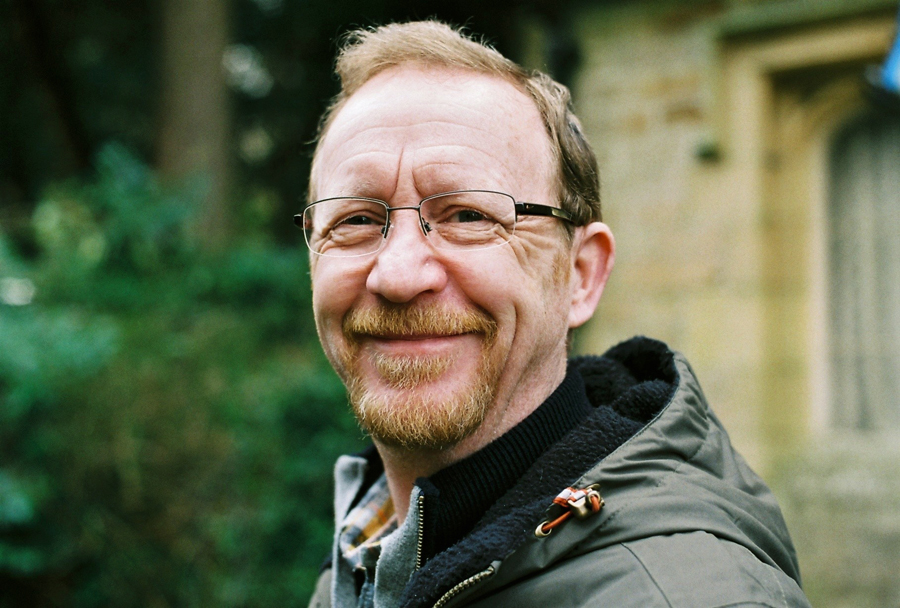
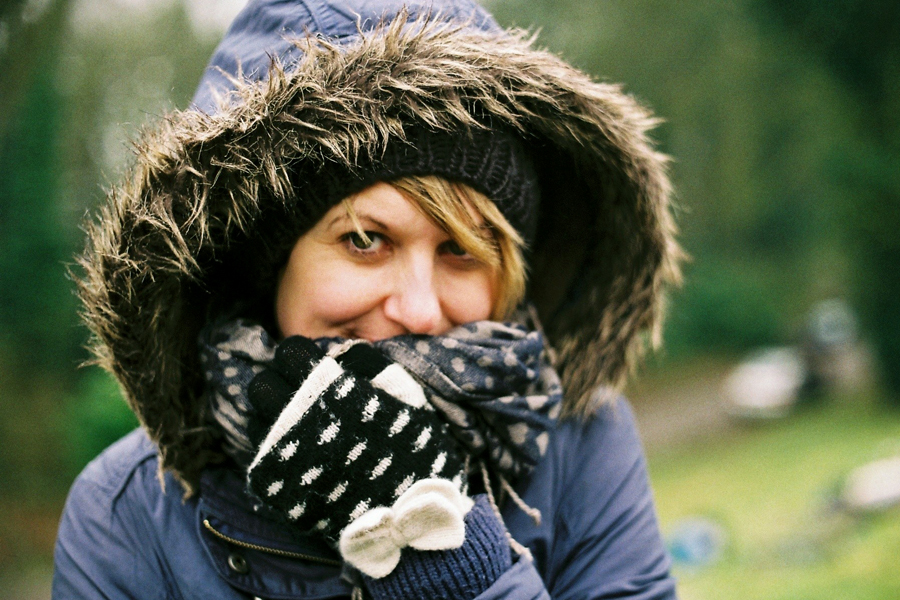
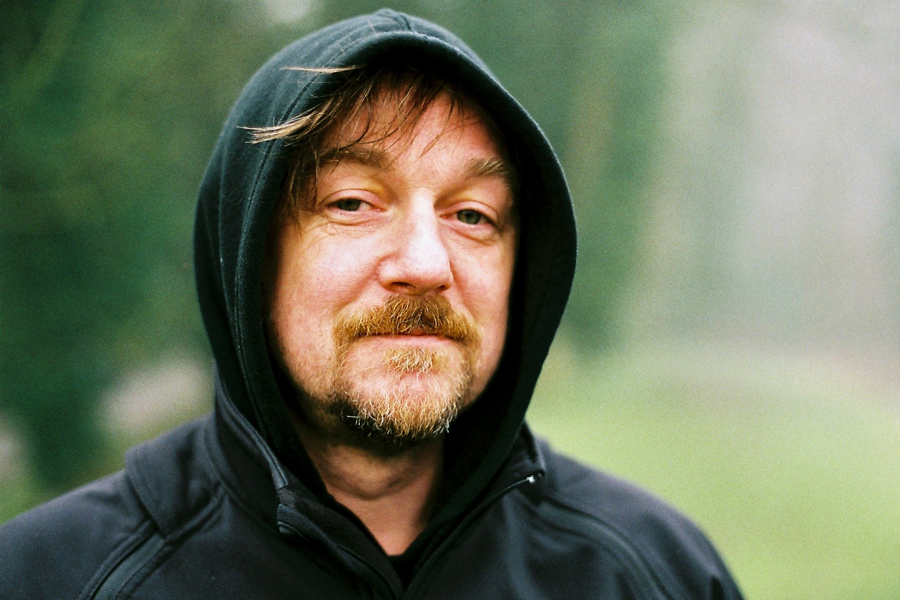
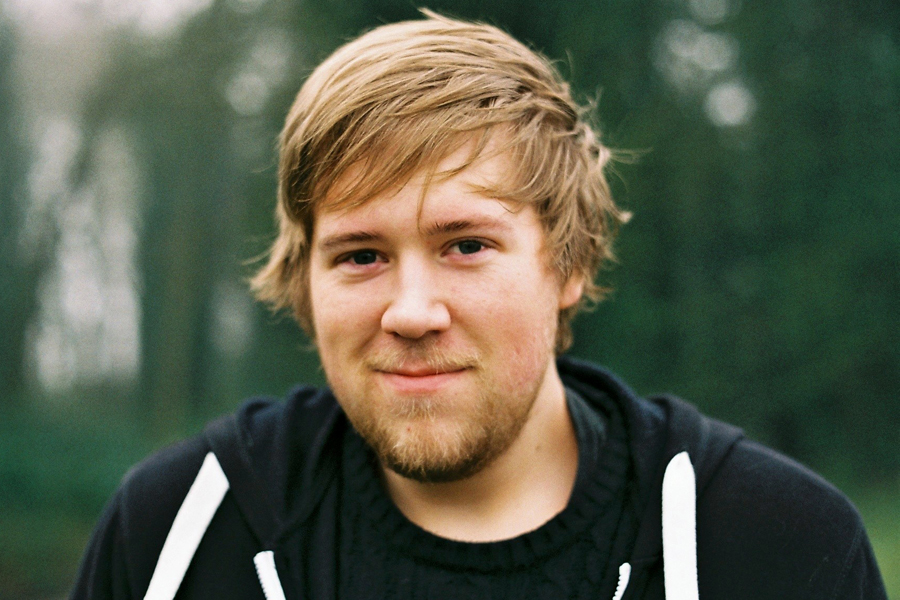
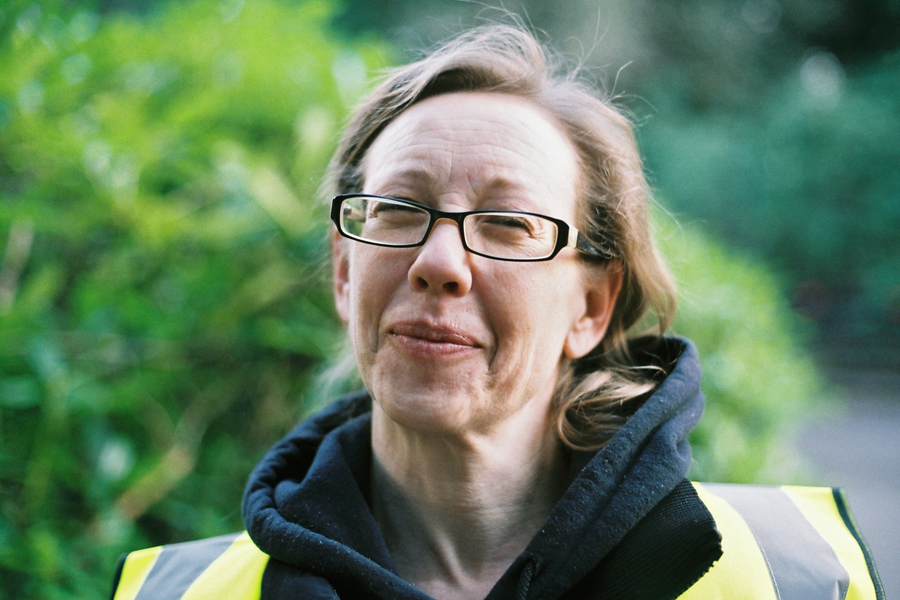
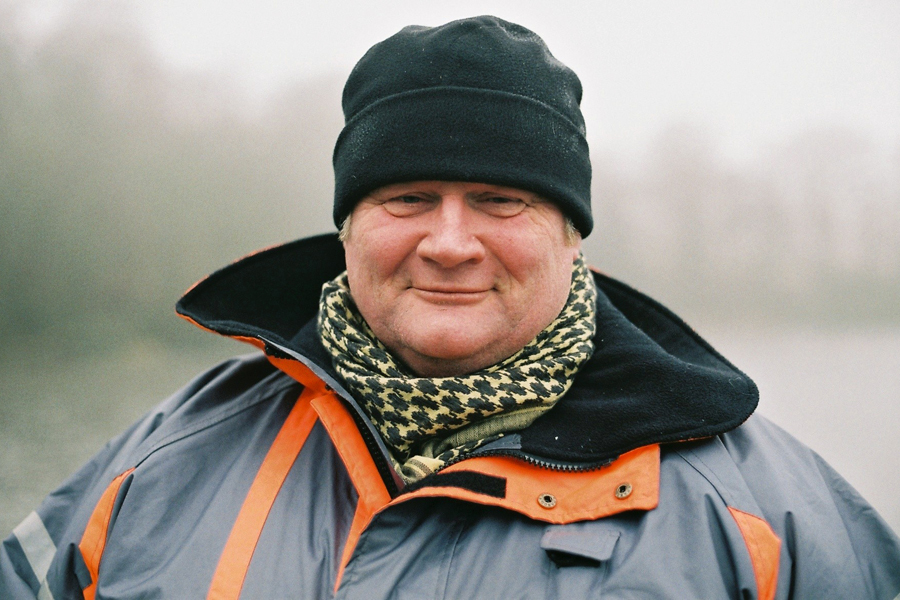
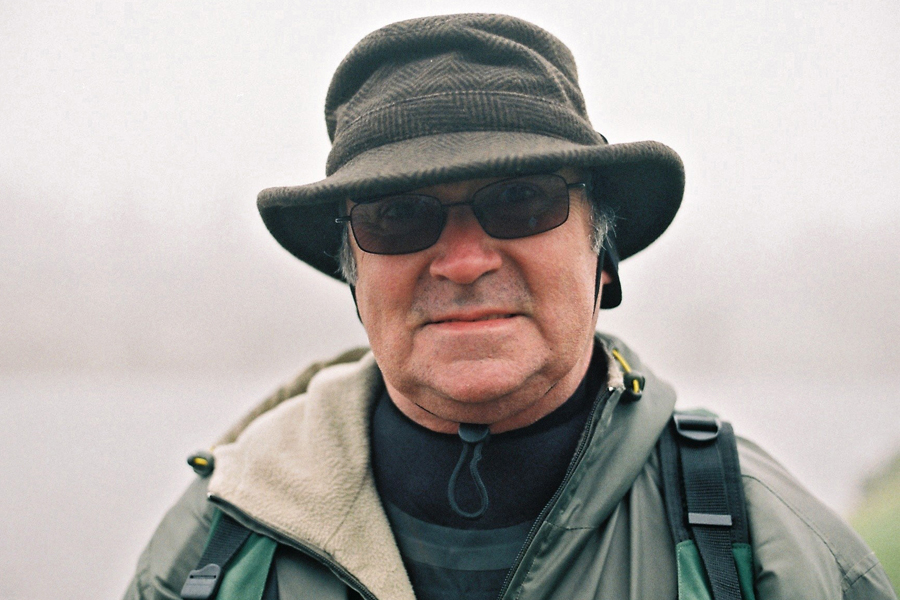
Photo: Frank Simms
Photo: Frank Simms

Directing A Cautionary Tale last week was a very satisfying experience. There are a number of reasons for this – one is that, unlike when Stop/Eject wrapped, we are not now faced with the task of creating visual effects, shooting pick-ups and doing ADR. I’m pretty sure we got everything we needed in the can in that whirlwind three day shoot.

But the main reason is that it’s been one of the most collaborative directing experiences of my career. I’ve written before about the process of surrendering filmmaking roles to collaborators, and the joy of receiving contributions from those collaborators which far outstrip what you could have done yourself. With A Cautionary Tale I’ve finally reached a point where I am directing and ONLY directing. (We will gloss over the bit of focus-pulling I had to do on a few shots.)

It was great to leave the job of lighting and photographing the film completely to Alex Nevill, who did a beautiful job, and it’s nice to sit back and wait for editor Tristan Ofield’s first cut. It was also really, really good not to have to worry about the logistical side of things.

But the biggest relevation and the biggest benefit was in the improved relationship I was able to have with the actors. Freed from the invisible cord which tethers a DP to their camera, and without the concerns of a producer littering my mind, I was able (I hope) to give the cast far more attention. It is not often in my career that I have been able to sit in a trailer (okay… it was a caravan) and discuss the upcoming scene with the actors, but I got to do it on A Cautionary Tale.

Despite the late casting of Frank Simms as Gordon, I had been able to meet both Frank and lead actress Georgia Winters prior to the shoot and do some good groundwork on their characters. Here too I found the process more collaborative than I have done in the past, for the simple reason that I had not written the script. A writer-director is very close to his or her story and tends to have a very strong idea of how everything should be played. A non-hyphenate director, however, has no greater insight into the script than the actors. The result is that I found I was usually asking the actors questions, to invite discussion, rather than issuing them with instructions. I suppose some might see this as a lack of vision on my part, but I’m pretty sure it will lead to a richer end product.

Throughout the shoot I tried to maintain my philosophy of keeping the number of takes to a minimum, as discussed in a 2011 blog entry. At points it made me unpopular with Alex, but long and bitter experience has taught me that it is not worth doing another take just because of minor camera wobbles. Yes, your operator might get the camerawork perfect on the next take, but something else will go wrong – a loud motorbike going by, for example – and before you know it, it’s twenty minutes later, you’ve done four more takes to get everything technically perfect, and now the performances are no longer fresh, so you use take one in the edit anyway! Don’t go chasing the take where everything’s perfect, because it will never happen. Just make sure the performance is perfect and the audience will forgive everything else – hell, they probably won’t even notice that camera wobble once it’s cut smoothly with the surrounding shots and the sound is nicely mixed.

Reading Stanislavski definitely paid off. He underlined the importance of a fresh performance built on unique creative inspiration, chiming in with my point above. And I was even able to use a “magic if” when directing the closing shot of the film. I strongly recommend reading An Actor Prepares if you want to better understand how to engage with actors.

Stay tuned for more on A Cautionary Tale as we progress through post.

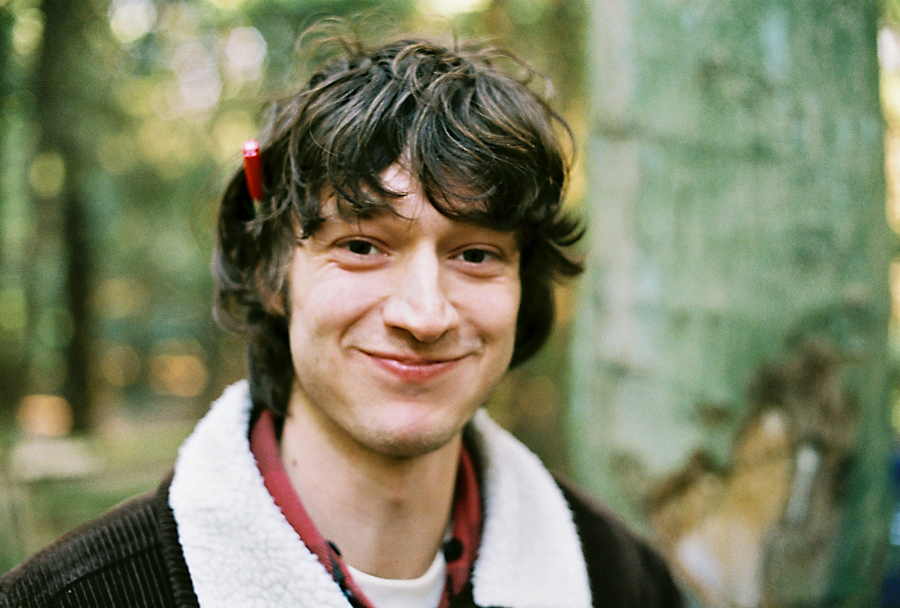
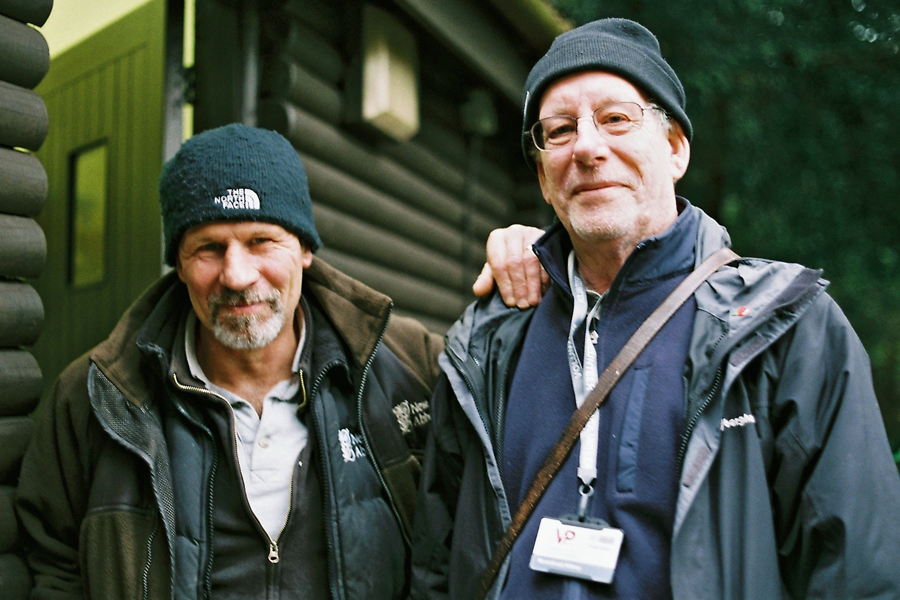
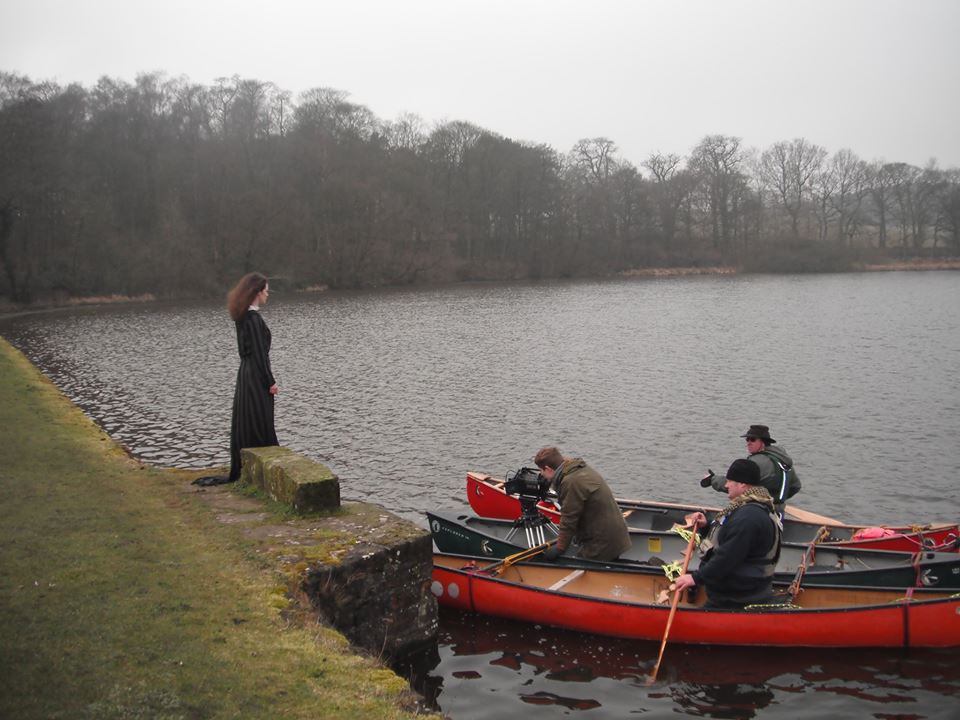
Photo: Terry Jefford
Directing: A Collaborative Tale

Shooting A Cautionary Tale

On Saturday, production wrapped on A Cautionary Tale after three days of shooting at Newstead Abbey Historic House and Park in Nottinghamshire. I had vaguely hoped to make a video diary of the whole thing, but in practice I only managed to grab a few bits on the first day:

Focus puller John Tween, director of photography Alex Nevill and actor Frank Simms in a present day cottage scene

The second day saw us filming in the bone-chilling wind blowing over the lake all morning, while 1939 was re-dressed to 1969 inside the cottage. After filming 1969 through the afternoon, we wrapped when the light fell, postponing a few cottage exterior shots until the next day.

After picking up those shots on Saturday, we moved inside for the present day interiors and the meatiest scenes in the film. As anticipated, we found ourselves faking daylight through the windows as shooting continued after dark, though we wrapped only half an hour later than planned.

I’d like to thank all of the cast and crew once again for their hard work, plus everyone who supplied equipment and props, and the lovely staff at Newstead Abbey.

A project like this leaves me with very mixed feelings about unpaid filmmaking. On the one hand I hate the stress of trying to find last-minute replacements for drop-outs, I hate how much I have to ask of people, and I hate that I cannot acknowledge people’s hard work with the renumeration it richly deserves. But I also come away with a strong feeling that this is it, this is what matters, this is all that matters – making truly creative work and having fun doing it – and despite fifteen of years of plugging away, I still have no idea how to do that while paying people. Should I therefore stop? I really don’t know.

Shooting A Cautionary Tale

Last Week of Preproduction on A Cautionary Tale

Amelia's dress, designed and made by Sophie Black
Amelia’s dress, designed and made by Sophie Black

We’re less than one week out from shooting A Cautionary Tale, with many aspects of the production coming together nicely, but others proving more challenging.

Regular readers may recall that after Stop/Eject, a project where the last few weeks of preproduction were marred by both lead actors and many crew pulling out, I vowed never again to make a film where people weren’t paid. (Puppet films excepted.) When I took on A Cautionary Tale, I figured this rule didn’t apply. After all, it wasn’t “my” film; I didn’t originate it, and I wasn’t producing it, so it wasn’t my call whether people were paid or not.

I was disappointed, but not surprised, when our lead actor pulled out about ten days ago, after being offered a lucrative alternative. Just like on Stop/Eject, it has proven very hard to find a suitable replacement, someone willing to travel way outside of London, for no money, for “just another” short film. And the search continues.

Another hiccup has been the cinematography. By mutual agreement, the DP who I originally selected left the project about a week ago. The lesson learned here is that, just like an actor, a DP must be right for the project. If you are working with limited resources, you need someone who relishes the challenge, rather than feeling restricted by it. Alex Nevill has stepped up to the plate, and I’m sure he’ll do a terrific job.

The knock-on effect has been that only today have we been able to start confirming equipment hires. For a while it looked like we might have to shoot on a DSLR, but Alex has been able to get us a great deal on a Red One MX.

Tomorrow our loyal band of runners and production assistants begins cleaning out the cottage at Newstead Abbey. On Tuesday, the art department led by Amy Nicholson will descend on the location and begin the huge task of painting and dressing it to become a writer’s study from 1903. Then, over the course of our three-day shoot, Amy’s team will have to redress it three times to bring it through the twentieth century to the present day.

Despite all the drama, I’m looking forward to the shoot. Many of the crew have worked with me before, including gaffer Colin Smith, costumer Sophie Black, sound mixer David Bekkevold, and of course Amy, and I know they’ll do me proud. And I’m sure there will be new great working relationships forged in the white heat (or more literally, freezing cold) of A Cautionary Tale’s shoot too. Stay tuned.

Last Week of Preproduction on A Cautionary Tale

Hellblazer

A couple of weeks back, I served as director of photography on a music promo for heavy metal band Savage Messiah. Directed by Tom Walsh of Polymath Pictures, the video was released yesterday by Earache Records.

This shoot represented a number of firsts for me: first time operating a Red Epic, first time using a tilt-shift lens, and first time shooting more than 50 frames per second.

Red

While preparing for the shoot, I found this video tutorial from the oddly-named Embassies of Cinema was very helpful in demonstrating the basics of operating the Reds. As Tom said to me, a camera’s a camera, and if you know how to operate one then you can probably find your way around any other, but no-one wants to look like an idiot when they show up on set and start tentatively pressing buttons on an unfamiliar piece of kit.

If there’s one thing I learnt about the Red that I’d like to flag up to other first-time users, it’s the crop factors. The Epic has a Super-35mm sensor, but it only uses all of that sensor when in 5K mode. If you shoot at a lower resolution, the camera simply ignores the outer edges of the sensor, rather than scaling the image to that smaller size,. The result is that your lenses appear to get more telephoto as you decrease the resolution. So watch out for that.

phfx_RedScarletXResFOV

Tilt-shift

The tilt-shift lens
The tilt-shift lens

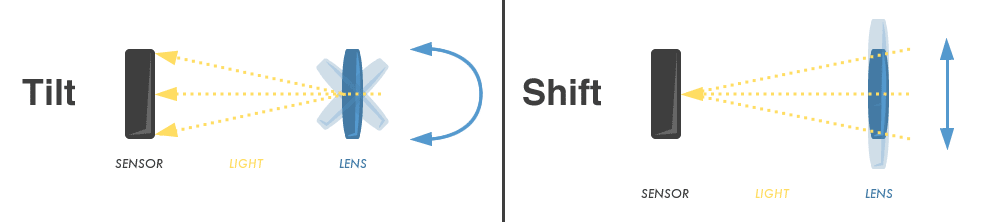
A tilt-shift lens is one which allows you to move the lens elements around relative to the focal plane. The shift mechanism is primarily of interest to stills photographers who want to capture skyscrapers without them appearing to taper towards the top. The tilt is the fun part.

A classic tilt-shift photograph

Normally, the glass elements in a lens are parallel to the focal plane (the camera’s sensor). Imagine a shot of three apples lined up next to each other on a table. They’re all the same distance away, so when you focus on one, the other two are in focus as well. But if you tilt the lens, only one apple might be in focus, and part of the background might be in focus too. This effect is often used to make cityscapes and landscapes look like miniatures, but it’s also useful for general weirdness. If you can’t afford to buy or hire a tilt-shift lens, a technique called “lens whacking” offers a low-tech alternative.

tilt_shift_flat

Highspeed Cinematography

Regarding highspeed photography, the only thing I have to say is, “Eh?” Can anyone out there explain why tungsten lights would flicker when shot at 300fps? Everything I’ve read says that only discharge lighting (HMIs, kinoflos) and very small tungsten bulbs should flicker at high frame rates. Surely the filament in a blonde shouldn’t be cooling enough between peaks in the AC power supply to register a flicker in a 600th of a second? I certainly can’t think of any other explanation.
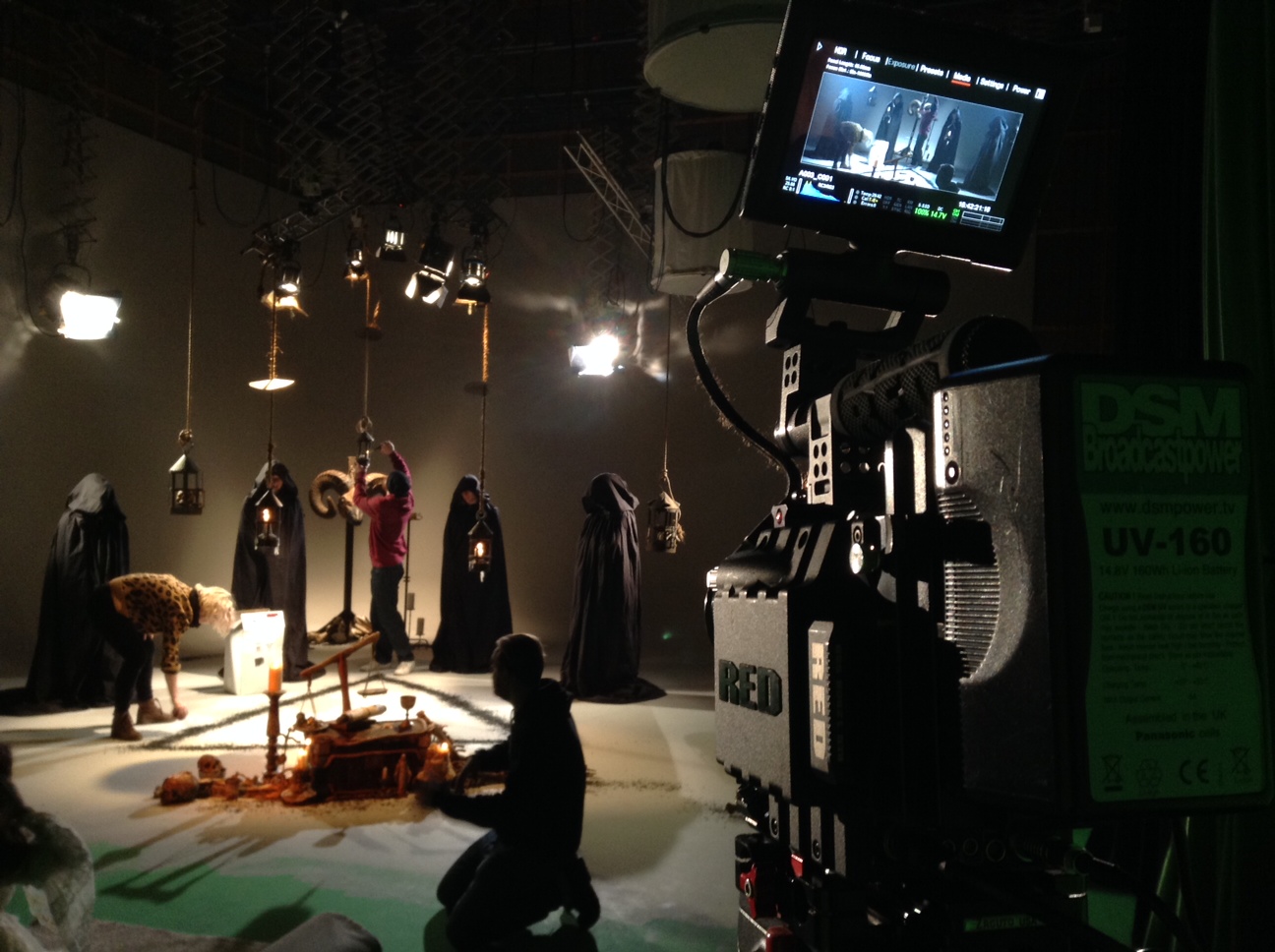
You can see the flickering at around 2:24 in the video if you’re looking for it, but there’s enough dynamic lighting, smoke, lens flares and tilt-shifting that it all just seems part of the deliberate effect.

Setting up to shoot the narrative portions of the promo
Setting up to shoot the narrative portions of the promo. Director Tom Walsh kneels in midground.

Thanks to Tom and designer Amy Nicholson for another great shoot. I look forward to working with them again next week on A Cautionary Tale.

Hellblazer

The Advantages of Regional Filmmaking

guardianSeveral years ago The Guardian wrote a lovely big article about me under the headline “The Spielberg of Hereford”. I had just completed Soul Searcher, a feature-length fantasy-action movie shot in this sleepy backwater of the rural West Midlands. The project had not been without its challenges – from a malfunctioning camera to a striking stunt team – but shooting in the provinces wasn’t one of them.

Yes, on the face of it, basing yourself away from the vast majority of actors, crew and facilities is inconvenient. I have long since accepted that my casting calls mentioning a shoot far outside the M25 will get a limited response, and that I will have to travel to London to hold auditions.

Crewing can seem similarly problematic, but in fact there are many excellent TV and film technicians hidden away in rural areas, constantly driving to London to work, but keen to be involved in anything more local if they get half a chance. It’s a novelty, and that’s an advantage.

Some of the cast of The Beacon atop the titular Worcestershire hill during filming in 2001

Londoners can often be cynical about filming; it’s a business like any other. Most locations in the capital will whip out a rate card at the first whiff of a scouting crew. But out in the sticks, many property owners will let you shoot on their premises free of charge for the rare glamour of a brush with the film business. On Soul Searcher I only had to pay for a single location. At least two others told me they would charge me, but never did. Their accounts departments presumably had no procedure or precedent for raising an invoice for location fees, and so overlooked it.

The savings a regional producer makes on locations are often countered by an increased travel and accommodation budget. But there are benefits to this accommodation that, to my mind, outweigh the financial burden. A cast and crew staying away from home together will bond far more than one that scatters to the four corners of the tube map every night. This means improved morale and more realistic on-screen relationships between actors.

Stop/Eject on BBC East Midlands Today

Regional filmmaking has more potential now than it’s ever had. Established networks like Talent Circle may remain London-centric, but social media enables us to connect quickly with others in our area – Shooting People’s regional “Shooters in the Pub” Facebook pages, for example, or Herefordshire Media Network, through which I found the editor for my last short film, Stop/Eject. And in an age when everyone’s looking for a hook for their crowdfunding campaign, the declaration “shooting in YOUR home town” can help you connect to potential sponsors.

Finally, regional press will often jump on local film projects, providing great free advertising for your crowdfunding campaign, cast/crew call or screening. I’ve appeared on BBC Midlands Today on three separate occasions, but I can’t imagine BBC London News covering yet another struggling filmmaker. And would “The Spielberg of Hackney” have been so newsworthy to The Guardian? I suspect not.

If you’re interested in the potential of regional film and TV production, the Herefordshire Media Network will be hosting a panel discussion on this subject at the Borderlines Film Festival next month.

The Advantages of Regional Filmmaking

A Director Prepares

9781408100035I’ve just finished reading the classic thesping manual An Actor Prepares, by Konstantin Stanislavski. Don’t worry, I’m not planning a career switch to the other side of the camera, just endeavouring to become a better director by deepening my understanding of acting.

Despite being 80 years old and translated from Russian, the book is surprisingly accessible. It takes the form of a fictional diary in which an eager drama student, Kostya – whom Stanislavski apparently based on his younger self – records his lessons with teacher and director Tortsov, representing the author’s older, wiser self.

The first instalment of a trilogy which continues with Building a Character and Creating a Role, An Actor Prepares outlines the mental processes which Stanislavski believed are required in order to stimulate the subconcious inspiration from which all truly great acting springs. As such, the book focuses on work that would be done by an actor on their own, before beginning their relationship with a director.

In fact, Tortsov/Stanislavski goes so far as to suggest that directors can often interfere with an actor’s preparation by trying to impose their own themes and motivations on them. “An actor must find the main theme for himself,” he says. “He must not be forcibly fed on other people’s ideas, conceptions, emotion memories or feelings. His own appetite must be tempted. The director’s job is to get the actor to ask and look for the details that will put life into his part.”

Elsewhere in the book, there is a great tip regarding objectives (read: motivation). “You should not try to express the meaning of your objectives in terms of a noun… The objective must always be a verb.” The author suggests that powerful objectives often start with “I wish…” It seems to me that if a scene is going off-track, sitting down with the actor and formulating a suitable objective beginning with “I wish” might be a constructive way to get back to the heart of the narrative and characterisation.

Perhaps one of the best-known elements of Stanislavski’s system is the “magic if”. The theory is that by asking “if” questions, maybe as basic as, “What if I was in the same situation as my character?” a performer – or indeed a director – can very quickly get to the truth of a role, a scene, or a script. By probing scenarios that don’t even occur in the script, for example, “What would my character have done if  such-and-such an event happened?” we can start to build a more nuanced character.

Stanislavski also stresses the importance of the “super-objective”, the over-arching motivation which drives the character through the piece, and “counteraction”, forces working against the super-objective, which are often embodied by the antagonist or villain. This is a good reminder for directors and writers not to lose sight of what the hero is ultimately trying to achieve, and to derive the maximum dramatic conflict from the hero’s clash with the people and obstacles in their way.

Aside from these nuggets of wisdom, the principle thing I’ve come away with is an increased understanding of and respect for the craft of acting. It must require an extraordinary level of mental discipline to control your every thought and action – or rather, to immerse yourself in the character to such a degree that your every thought and action naturally become those of the character – while simultaneously hitting your marks, finding your light, delivering the lines put in your mouth by someone else, remembering your continuity, executing the director’s notes, and ignoring all the crew and equipment in your face.

Which I knew already, of course, but reading An Actor Prepares very much brought it home to me.

A Director Prepares

A Cautionary Tale: Recce #2

Left to right: Tom Walsh (1st AD), Sophia Ramcharan (producer), Benjamin Maier (DP), Amy Nicholson (production designer) and Steve Deery (writer)

Following our positive recce of Newstead Abbey last month, we returned there yesterday, this time with new crew members Benjamin Maier (director of photography), Tom Walsh (first assistant director) and designer Amy Nicholson’s assistants Anya and Charlotte. It was an opportunity for Ben to assess the power, lighting, lens and grip requirements, for Tom to consider the logistics of working in the place, and for the art department to take measurements.

Amy and her team are sinking their teeth into the project. Initial ideas of a single feature wall which would be re-wallpapered for each of the film’s four time periods have expanded into full-blown redecoration of the room. This will create a whole different mood and palette for each period and really up the production values.

After leaving the gatekeeper’s cottage, we drove up to the lake to show Ben where the waterside scenes would take place. His immediate observation, which had escaped me on the previous recce because I was wearing my director’s hat, was that it was in the worst possible orientation to the sun: the actors would be flatly lit. We walked around the lake to a cool Victorian folly that looked like part of a miniature castle. Here the light would strike from a better angle, and indeed it was a better location in every respect except for one. I can’t tell you what that one is because it would give away the ending of the film.

Sophia and Steve on the folly overlooking the lake

This recce was my first chance to use Artemis, a virtual director’s viewfinder app which I recently purchased. At £20.99 it’s very pricey, but where it scores over other, cheaper viewfinder apps is in its vast array of cameras you can choose from. You don’t have to worry about calculating crop factors; you simply select your camera from the menu, along with the lenses you have available, and Artemis shows you the field of view you’ll get with each one. On the wide end it’s limited by the iPad camera’s lens length, which in terms of a Super-35mm sensor at 16:9 is equivalent in height to a 22mm lens and in width to about 25mm, but you can purchase an optional wide angle lens adaptor to get around this. I have yet to use the app’s more advanced features, but it’s certainly cheaper than a real director’s viewfinder, and much more convenient than carting a DSLR and lenses around, which is what I did on the first recce.

The cottage exterior seen from amongst the trees opposite, through the Artemis director's viewfinder app
The cottage exterior seen from amongst the trees opposite, through the Artemis director’s viewfinder app

In other areas of preproduction, I’ve had initial Skype chats with the two lead actors, which led to some suggestions for little additions to the script, and I’ve been continuing to watch genre films for inspiration, taking in The Silence of the Lambs, The Woman in Black (2012) and The Innocents lately.

A Cautionary Tale: Recce #2

Stop/Eject: Script to Screen

Following my personal observations on the shot planning process the other day, here’s a look at that process in action and a record of some of the thoughts that go through my head as a director when I’m choosing camera angles.

Everything begins with the script, and here is the extract for the Stop/Eject sequence I’m going to break down:

14. INT. ALCOVE/EXT. RIVER GARDENS – DAY – INTERCUT
KATE stands behind the alcove’s curtain with an armful of tapes.
She pushes one into the recorder – “JULY 16th 2007, 5-6:30pm” - 
and hits PLAY. Warm summer sunshine steals in through the crack
in the curtain. She pulls it back to reveal the river, sunlight
dancing and sparkling in the water of the weir.
COPY-KATE cycles through the gardens on a creaky old bicycle
with a custom paint job and various doodads hanging off,
oblivious to her other self and the alcove stood in the middle
of a Victorian bandstand.
Copy-Kate spots a strange figure on the riverbank, wearing
closed-back headphones and waving a big, fluffy microphone at
the running water.  She looks ahead – she’s about to run over
TWO YOUNG GIRLS.  She grips the brakes tightly and the bike
screeches to a stop with a noise like a small army of warring
cats.  She catches her breath as the older girl scowls and drags
her sister away.

Sophie drew the following storyboards for this sequence, based on my rough sketches:

I don’t like starting scenes with establishing shots; I prefer to reveal them gradually. So when I conceived the first shot (top left) – setting up Kate in the alcove in the shop – I suspected I would probably end up cutting it, and sure enough I never even filmed it. The audience would know by now where the tape recorder alcove was, I figured.

The next shot (top right) follows Kate as she puts down the stack of tapes. This is fairly basic visual storytelling. The audience already knows that the tapes contain recordings of Kate’s life. When we see her come in with an armful of cassettes, we anticipate her nostalgia trip.

As this was the first time Kate was to travel back in time more than a few hours, I felt it important to show the action of the tape going into the recorder in close-up (bottom), to ensure the audience understood the connection between the tapes, the machine and the time travelling.

storyboards_scan10

We then return (top left) to the previous angle, following Kate as she stands back up and opens the curtain. One of my regrets with Stop/Eject was that I never shot over Kate’s shoulder as she looked out of the alcove. I can only think this is because I was trying to avoid doing “the obvious thing”. In this scene I chose instead to tease what she’s seeing, revealing first the sunlight on her face, and then (top right) an abstract close-up of a spinning bike wheel, part of the visual theme of circles I had smart-arsedly developed for the film. My thinking was that time travel was a big and unbelievable concept for Kate to take in, so it needed to be broken to her (and therefore us) gradually.

Finally the scene is revealed (bottom left) in a high wide shot to establish the geography, which then cranes down to draw us into the action. On the day, there was a bush in the foreground, which began to obscure the action as we craned down, so we decided to crane up instead, rising up over the bush to reveal the action.
Next it was necessary to show the place of Kate and the alcove in the geography. I wanted to echo the formality and symmetry of the bandstand’s architecture by framing it flat-on, dead centre (bottom right).

storyboards_scan11Then Copy-Kate sees Dan, her future husband, for the very first time. I wanted to show an immediate connection using an over-the-shoulder shot-reverse. Since Copy-Kate was on a moving bike, this meant panning with her for her angle (top) and then tracking with her for Dan’s angle (bottom) in order to keep her shoulder in frame. I left Dan’s shoulder out of Kate’s shot since he hasn’t seen her yet and so hasn’t made a connection.

The editing podcast below from summer 2012 explains the various iterations I went through with this sequence. (I later brought Miguel Ferros on board to re-edit the film, and his final version is far superior to all of my attempts.) You can see in the podcast some of the problems that my linear shot planning approach caused, notably my failure to cover the whole scene in the crane shot, and the restrictions which that placed on me in the edit.

Despite these minor quibbles, I’m very proud of Stop/Eject and its visual storytelling. It’s recently received a couple of glowing reviews on Unsung Films and The London Film Review, the latter praising its visuals, and both quite rightly lauding Georgina Sherrington’s brilliant lead performance.


Stop/Eject: Script to Screen

Writing a Shot List

Some of my rough storyboards for Stop/Eject

How does a filmmaker decide what angles to shoot from? Speaking for myself, it’s a hard process to analyse, as many of the decisions are made without much conscious thought. Often I just sit down and imagine the scene playing out in my head. Since childhood I’ve been pretending to be a camera – closing one eye and moving my head to mimick a crane shot, for example, as I pushed my Lego car along – so in imagining the scene I automatically create shots and edits in my head. Then it’s just a case of writing them down, or sketching them as storyboards. I suspect that some of the time – perhaps a lot of the time – I’m subconciously recalling similar scenes in other films I’ve seen and copying their shots.

Sometimes it does require more thought to choose between a number of options. It’s about picking the angle, the lens, the movement that has the right feel for that moment of the story. “If I push in on a short lens, it will feel more dramatic and intimate, but maybe a cool, detached look would be better, using a long lens and remaining static… What do I want the audience to feel?”

Throughout my career, I’ve always shot-listed or storyboarded in a linear fashion – “I’ll be on this shot, then I’ll cut to this one, then this one, then back to the first one, then to the second one which has now dollied in closer, etc….” It made perfect sense to me, because that’s how the film would ultimately appear to the viewer. Knowing the order in which angles would be seen, I could choose to transition between two angles with a camera move, rather than a cut. I could be sure that I wasn’t wasting time on set shooting extraneous material.

But of course, this linear approach to shot planning lacked flexibility. If the action changed on set when blocking it with the actors, I often struggled to integrate this into my plans. And if I needed to change the sequence in the edit, it was often challenging to make the shots work in a different order, because I hadn’t covered the whole scene from a particular angle, or I’d built in a camera move which was now redundant.

Storyboards by Luis Gayol for The Dark Side of the Earh

Other directors plan their shots more in terms of coverage. They might do this via a floorplan showing the camera positions. They’re making sure that, across the sum total of their camera angles, all of the action can be seen clearly and with the appropriate tightness or wideness of framing. They’ve not decided where each angle will be used, only that these are angles they will probably need somewhere in the edit. They’re giving themselves options.

I used to think of giving yourself options as a weakness in a director. Surely you should know now what you want, rather than figuring it out in post? But as I’ve come to realise, particularly in my experience of working with a separate editor for the first time on Stop/Eject, until you’re away from the baggage of the shoot and you’re actually putting the stuff together, you simply can’t know for sure what the best way to edit it is going to be. You can’t predict every nuance of a performance in preproduction, you can’t predict exactly where the pace may flag and need tightening, and you can’t predict which shots or pieces of action will be unsuccessful due to problems on the day with the execution.

So in writing the shot list for A Cautionary Tale last week, I’ve tried to lean much more towards the coverage style of planning. Inevitably the result is a halfway house, or more optimistically perhaps a hybrid, between the linear and coverage styles. I look forward to seeing what impact this has on the editing process.

Continuing this theme, in my next blog post I’ll break down how I chose the shots for a sequence in Stop/Eject, and look at how those decisions ramified in production and post.

Writing a Shot List

Seven Considerations for Night Shooting

Il pleut dans la nuit. Ce n'est pas jolie.
Il pleut dans la nuit. Ce n’est pas jolie.

As a cinematographer, the idea of shooting at night, working from a blank canvas, can be very appealing. As a director or producer comparing your schedule to the limited hours of daylight we have at this time of year, it can also seem tempting to shift things to after dark. By all means do so; it will probably look great on screen, but do consider the following things first…

  1. Let’s not beat about the bush: it’s unpleasant. Human beings are not built to work in the dark. It’s usually cold and when it rains as well it’s one of the most depressing experiences you can have on a set. If you shoot at night, morale will suffer.
  2. It’s slow. People don’t work as fast at night, because they’re tired and cold and they can’t see what they’re doing very well. Also everything has to be lit, which is very time-consuming. Expect to get about half as much done as you would during the day.
  3. Location owners may not like it. Most premises will be closed at night, which usually makes it easier to film there, but the location owners will need to find a member of staff willing to stay up all night and keep an eye on the place. Could be expensive.
  4. Power can be an issue. You’ll be using lots of lights, and homes and businesses you might normally run power from will not be so readily accessible after hours. You’re probably in generator territory, which means hire costs, transportation issues, refuelling, annoying trip-outs even though you’re drawing a full kilowatt less than the generator’s alleged maximum load… and of course nightmares for the sound department.
  5. Other logistical things which are straightforward in the daytime can prove difficult at night, like catering and access to toilet facilities. Crews need a lot of hearty, hot food to  get them through the night, but who’s going to cook it or warm it up at 2 o’clock in the morning? Hot beverages should also be in plentiful supply.
  6. Many buildings have some kind of external lighting than comes on at night, either on a timer or motion-activated. The DP is unlikely to want that on, so the locations department must ensure access to the switches.
  7. Generally locations will be quieter at night, but beware of drunken revellers, street-cleaning machines and automatic systems that kick in in the middle of the night.

On A Cautionary Tale ,we have a script that is set entirely in daylight, but in order to fit it all into three days of shooting, some of it will almost certainly have to be done after dark. The most important question must always be: is it right for the story? In our case, with the film’s supernatural undertones, I think darkness can only add to the atmosphere.

Seven Considerations for Night Shooting